
Unbiased headlines. Facts, not spin.
Every story is an unbiased news briefing written from 110+ sources across the spectrum — sources linked so you can verify it yourself.
 politics
Major Story (8/10)
July 16, 2026 at 05:49 AM
politics
Major Story (8/10)
July 16, 2026 at 05:49 AM
US Slaps 25% Tariff on Brazil Imports Starting July 22, Citing Unfair Trade Practices
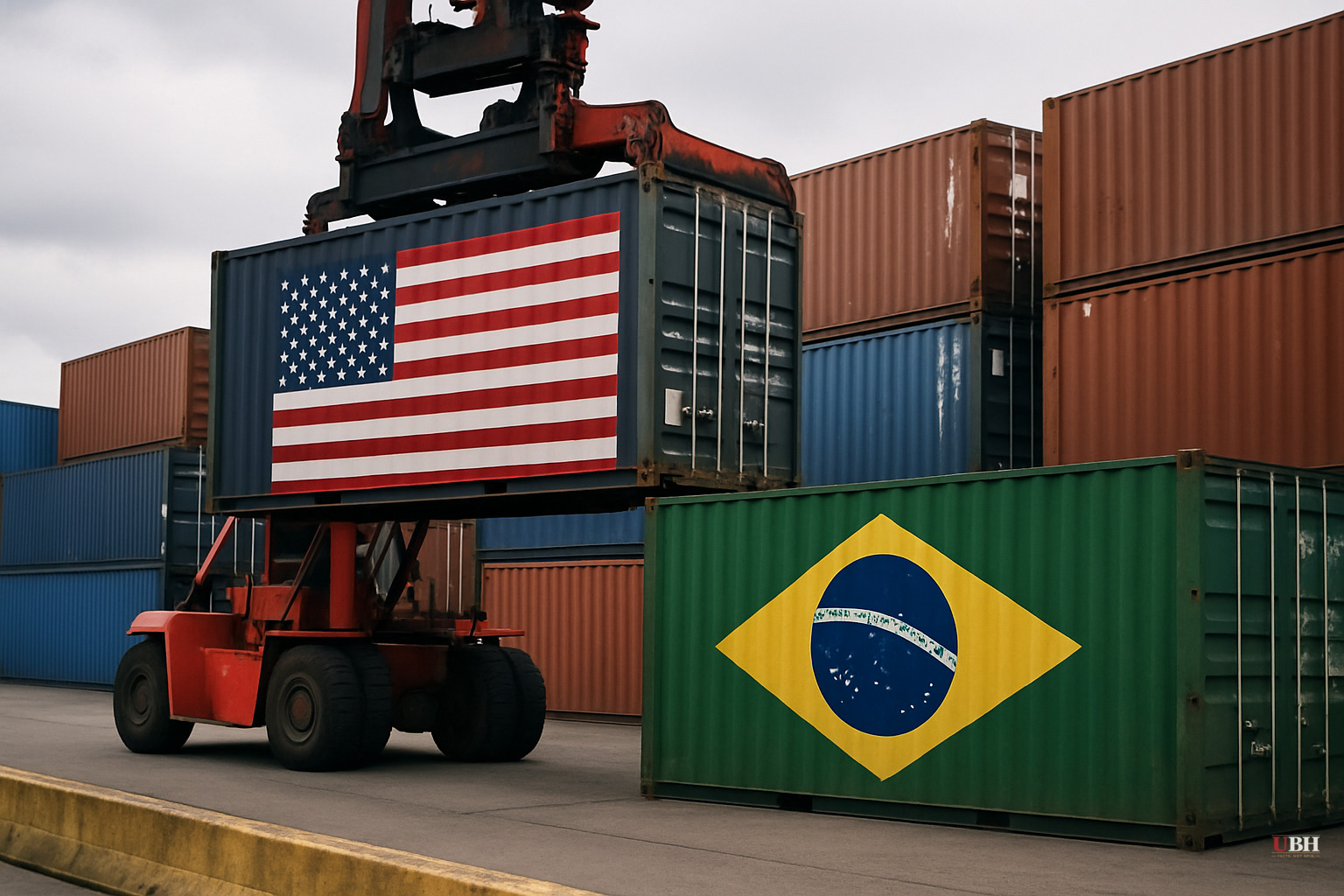
The US Trade Representative's office announced late Wednesday night that a 25% tariff on a range of Brazilian imports takes effect July 22. The move follows a year-long investigation into what USTR called Brazil's "unreasonable and discriminatory" trade practices.
According to the USTR's statement, posted on X, the inquiry found Brazil's policies restrict "the competitive position of American farmers, workers, innovators, and exporters." US Trade Representative Jamieson Greer put it plainly: "Today's action is necessary to address these unfair trade practices to ensure American workers and companies can compete on a level playing field."
Greer added that Washington remains open to further talks. "Extensive negotiations with Brazil over the past year have not resolved these issues, but we remain open to continuing negotiations with Brazil to bring about long-needed changes to the problems identified in this investigation," he said.
What's Exempt, What's Not
Coffee, beef, and certain ethanol products are carved out of the new duties, a senior administration official told reporters ahead of Wednesday's announcement. Ethanol overall still gets hit, according to that official. Greer told Bloomberg Television earlier Wednesday that President Trump was expected to "sign something" on Brazil tariffs, which is exactly what happened.
The Pix Problem
The centerpiece of the US complaint is Pix, Brazil's instant electronic payments system. The administration's June 1 report, produced under Section 301 of the Trade Act of 1974, argues Brazil has "unfairly disadvantaged" American payment providers by favoring Pix over competitors.
Pix isn't some minor bureaucratic tool. Millions of Brazilians use it daily, and President Luiz Inácio Lula da Silva has repeatedly held it up as proof of the country's technological sovereignty and financial independence. That symbolism matters here. Washington is essentially accusing Brazil of using a wildly popular domestic system as a protectionist weapon against US fintech and payment companies.
Brazil's government isn't buying it. In a statement, it called the allegations about Pix meritless and said there's "no justification for unilateral measures against our country." Brazil says it will diversify its trade partnerships, open new markets, and pursue both reciprocal tariffs and relief through the World Trade Organization.
Why This Fight Matters
The numbers explain the stakes. The US is Brazil's second-largest trading partner and one of the few major economies where Brazil runs a trade deficit rather than a surplus. Brazil imported more than $45 billion in American goods in 2025, an 11% jump from the year before, while its exports to the US fell nearly 7%. Crude oil made up 12.5% of those Brazilian export shipments.
Brazil buys more from the US than it sells, yet Washington is the one imposing tariffs. USTR's argument is that the trade deficit isn't the point. The complaint is about specific regulatory practices that disadvantage American companies regardless of the overall trade balance.
Building domestic financial infrastructure like Pix is a sovereignty issue for a lot of countries, not just Brazil, and treating a popular, free instant-payment system as an unfair trade barrier is a genuinely contestable legal and economic claim, not an open-and-shut case. Brazil's WTO complaint will test that argument on neutral ground.
If the investigation's findings hold up, and USTR says the year-long inquiry documented specific discriminatory practices, that's a measurable grievance. Whether Pix itself qualifies as illegal discrimination under WTO rules, versus a legitimate domestic policy choice, is exactly the kind of question a WTO panel would need to sort out rather than either government simply asserting it.
What Happens Next
The tariffs land July 22. Brazil says it's preparing reciprocal measures and a formal WTO challenge, though no case has been filed yet as of this writing. Greer has left the door open for more negotiations, but a year of talks already failed to resolve the underlying dispute over Pix and related practices.
Watch for two things: whether Brazil follows through on reciprocal tariffs against specific American exports, and whether a WTO panel takes up the Pix complaint. Either could reshape a trade relationship where the US, despite running a surplus with Brazil, is now the one crying foul.
Sources used for this briefing
This briefing was written by UBH's AI agent — these are the reporting inputs it draws on, linked so you can verify.


