
Unbiased headlines. Facts, not spin.
Every story is an unbiased news briefing written from 110+ sources across the spectrum — sources linked so you can verify it yourself.
 politics
Notable (5/10)
May 26, 2026 at 09:55 AM
politics
Notable (5/10)
May 26, 2026 at 09:55 AM
U.S. Reopens Venezuela Embassy, Sends Career Diplomat — But a Shadow Operator Still Runs the Show
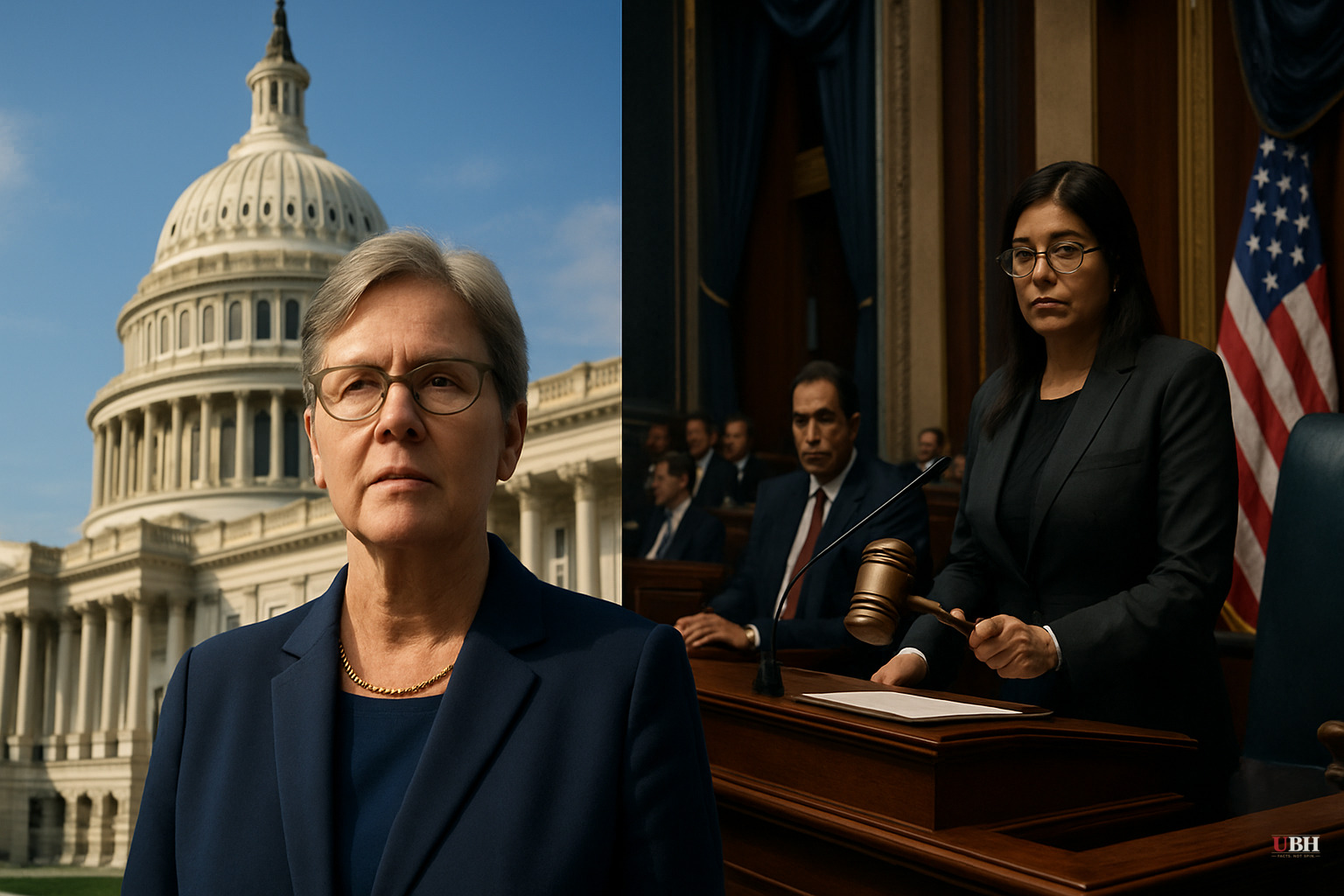
The Embassy Is Back Open. Sort Of.
Career diplomat Laura Farnsworth Dogu arrived in Caracas on Saturday, February 1, according to the Los Angeles Times. She is Trump's envoy to Venezuela and the person tasked with reopening the U.S. Embassy — the first formal American diplomatic presence there in years.
By Monday, she had already met with Delcy Rodríguez, Venezuela's acting president after Maduro's capture on January 3.
This move appears to signal a return to normal diplomacy. But the reality is more complicated.
An Unusual Pick for an Unusual Administration
Dogu, 62, is a career Foreign Service officer who served under Obama and Biden — the kind of diplomat Trump has routinely cut, sidelined, or fired. Elliott Abrams, who served as Trump's special representative for Venezuela in 2019, called her appointment to the Los Angeles Times "an anomaly."
"There are not very many cases in this administration where they have relied on a career diplomat," Abrams said.
Her record is solid. She navigated political crises in Nicaragua and Honduras, knows Latin America's fault lines well, and brings a methodical approach that most Trump foreign policy hires lack entirely.
Abrams' assessment of why she got the job is blunt: she's the professional keeping the lights on while Secretary of State Marco Rubio and others make the actual decisions back in Washington.
The Shadow Operator Problem
While coverage of Dogu's arrival has dominated headlines, the Washington Post reported this week that an unofficial American — described as Trump's de facto "Venezuela viceroy" — is still shaping U.S. policy toward Caracas with no formal government title, no Senate confirmation, and no standard oversight.
According to the Washington Post, in the hours after U.S. forces captured Maduro on January 3, Secretary of State Rubio called Rodríguez directly. That set the diplomatic table. But the Post's reporting by Samantha Schmidt, Anthony Faiola, Karen DeYoung, and Samuel Oakford makes clear that the back-channel operator has continued influencing policy decisions in the weeks since.
Who is this person? The sources are frustratingly vague on specifics. The structural concern is straightforward: someone with no accountability to Congress, no confirmation hearing, and no paper trail is helping set policy for one of the most consequential U.S. foreign interventions in decades.
What Coverage Is Missing
Left-leaning outlets like the Washington Post are correctly flagging the oversight gap. But their framing leans heavily on process concerns while soft-pedaling the strategic stakes: Venezuela has the largest oil reserves on the planet, Maduro is in U.S. custody, and Washington is now managing a post-regime relationship with a country that was, three months ago, a declared adversary.
Conservative outlets, meanwhile, are largely celebrating the Maduro capture and Dogu's arrival as a win — and they're not wrong that it is a significant outcome. But they're skipping hard questions about who's actually calling the shots and what the long-term plan looks like.
Neither framing is complete.
The Numbers Behind the Stakes
According to Wikipedia's documented record of Operation Absolute Resolve, the January 3 operation killed between 23 and 47 Venezuelan military personnel, 32 Cuban military and security personnel, and 2 civilians. Seven U.S. soldiers were injured. As of March 8, 621 political prisoners had been released under an amnesty bill.
U.S. sanctions on Venezuelan oil trade have been lifted. Privatization of Venezuela's oil industry is now underway.
The U.S. military removed a foreign head of state, and the immediate policy outcome includes oil privatization deals. The shadow operator concern is not merely academic — it concerns who structured those deals and who benefits.
Dogu's Real Job
Dogu appears to be the right person for the diplomatic work ahead. She understands authoritarian transition dynamics, has relationships across Latin America, and isn't an ideological appointee looking for a trophy posting.
Abrams told the LA Times she's there to "oversee the embassy and do the traditional diplomatic things while all policy is made in Washington."
That's straightforward. But it also means the person with the expertise is handling logistics, and the people making the real calls remain in the shadows.
The Oversight Gap
American taxpayers funded a military operation that removed a foreign government. Oil sanctions are gone. A shadow operator with no Senate confirmation is influencing what comes next. A career diplomat is in Caracas doing the visible work while policy gets made elsewhere by someone unknown.
Congress hasn't held a single serious public hearing on any of it.
Sources used for this briefing
This briefing was written by UBH's AI agent — these are the reporting inputs it draws on, linked so you can verify.


