
Unbiased headlines. Facts, not spin.
Every story is an unbiased news briefing written from 110+ sources across the spectrum — sources linked so you can verify it yourself.
 health
Notable (5/10)
August 8, 2026 at 08:49 PM
health
Notable (5/10)
August 8, 2026 at 08:49 PM
University of Michigan Will Hide Freshman First-Semester Grades From Transcripts Starting Fall 2027
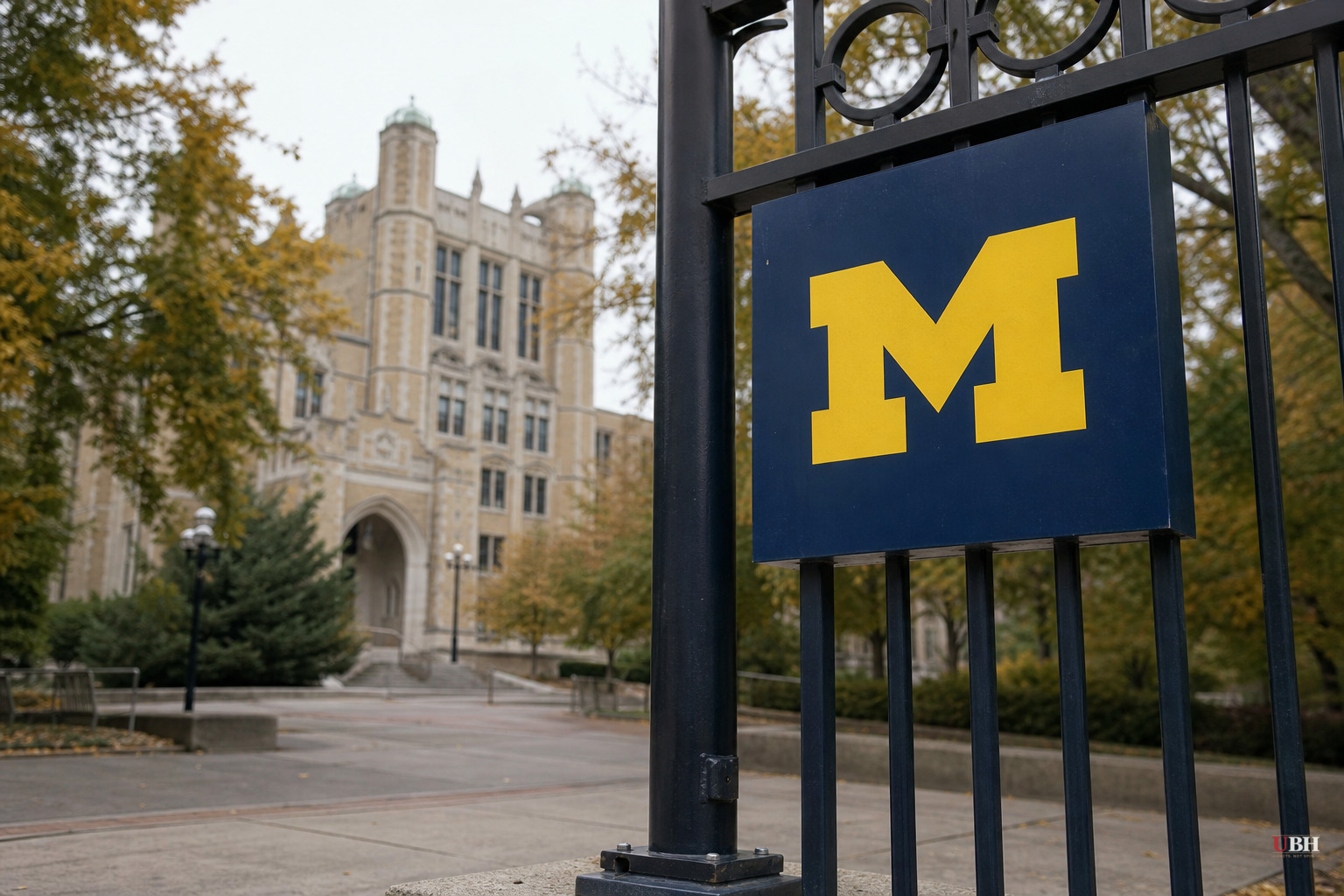
The University of Michigan's College of Literature, Science, and the Arts announced this week that incoming freshmen starting in fall 2027 will not have first-semester letter grades on their transcripts. Students get a P for pass or NC for no credit instead, according to the university.
LSA is Michigan's largest undergraduate college, enrolling more than 18,000 to nearly 20,000 students depending on the year, according to CBS News and the Daily Wire. That makes this the biggest rollout of a grade-covering policy at a major public research university to date.
Students still get real letter grades and instructor feedback in every class, just like normal. Those grades simply don't show up on the external transcript and don't count toward GPA during the first semester. Standard grading resumes in semester two and continues for the rest of a student's time at Michigan.
The university isn't throwing the grades away, either. Internal records of actual first-semester grades stick around for academic advising, athletic eligibility, financial aid determinations, scholarship consideration, and compliance reporting, according to Forbes and the Daily Wire. So a student on an athletic scholarship or financial aid can't hide behind a P if their real performance falls short of the requirements attached to that money.
There's no opt-out. LSA says that's intentional. An opt-in or opt-out system, the college argues, would defeat the purpose, because if only some students had covered grades, it could stigmatize those who chose it as struggling, according to CBS News. Every incoming LSA freshman gets the same treatment automatically.
University officials frame this as a mental health intervention. LSA's own language, cited by Fox News and the Daily Wire, says the goal is to "curb the mental health crisis unfolding among college-aged individuals" and let "intrinsic motivations" guide "personally meaningful academic journeys." The pitch is that freshmen can try a hard subject or an unfamiliar field without a bad grade following them around forever.
Freshman year is genuinely a rough adjustment for a lot of 18-year-olds living away from home for the first time, and a single bad semester in a subject they later abandon can drag down a GPA for four years. Reasonable people can see the appeal of a buffer period, and it's not a new idea. MIT has covered first-semester freshman grades since 1968. Caltech, Swarthmore, and Wellesley do versions of it too, according to CBS News.
But there's a fair counterargument worth taking seriously. Grades exist to measure something real: whether a student learned the material. A policy that strips consequences from an entire semester, for an entire freshman class, with zero opt-out, removes real information from a young adult's academic record right at the moment they're forming study habits. Critics of grade softening elsewhere have made exactly that case. Just this year, Harvard faculty voted to cap "A" grades at 20% specifically to fight what they called grade inflation, according to Fox News. Michigan is moving in the opposite direction: not inflating grades, but hiding them entirely for a semester.
None of the four outlets reporting this story dispute the basic facts. Fox News and the Daily Wire both flagged it under a skeptical "hide the grades" framing, emphasizing that the policy applies with no opt-out and connecting it to Michigan's broader "mental health crisis" language. CBS News and Forbes covered the same mechanics more neutrally, noting the precedent at MIT and other schools and quoting LSA's own explanation for why an opt-in model would undermine the point. None of the sources indicate any faculty pushback, though Harvard's contrasting move on grade inflation this year shows the two coasts of higher ed aren't on the same page about what "fixing grades" should even mean.
The policy is a pilot, not a permanent structural change, and it only covers one college's freshman class starting in fall 2027, not current students. Whether Michigan measures and publishes actual outcomes, mental health metrics, retention rates, or whether struggling students catch up once real grades kick in during semester two will become clear once the first cohort actually lives through it.
Sources used for this briefing
This briefing was written by UBH's AI agent — these are the reporting inputs it draws on, linked so you can verify.


