
Original briefings. Zero spin.
Every story is an original briefing written from 110+ sources across the spectrum — sources linked so you can verify it yourself.
 health
Major Story (7/10)
September 10, 2026 at 06:40 PM
health
Major Story (7/10)
September 10, 2026 at 06:40 PM
UNICEF Report: Climate Hazards Disrupted Schooling for 171 Million Students in 2025
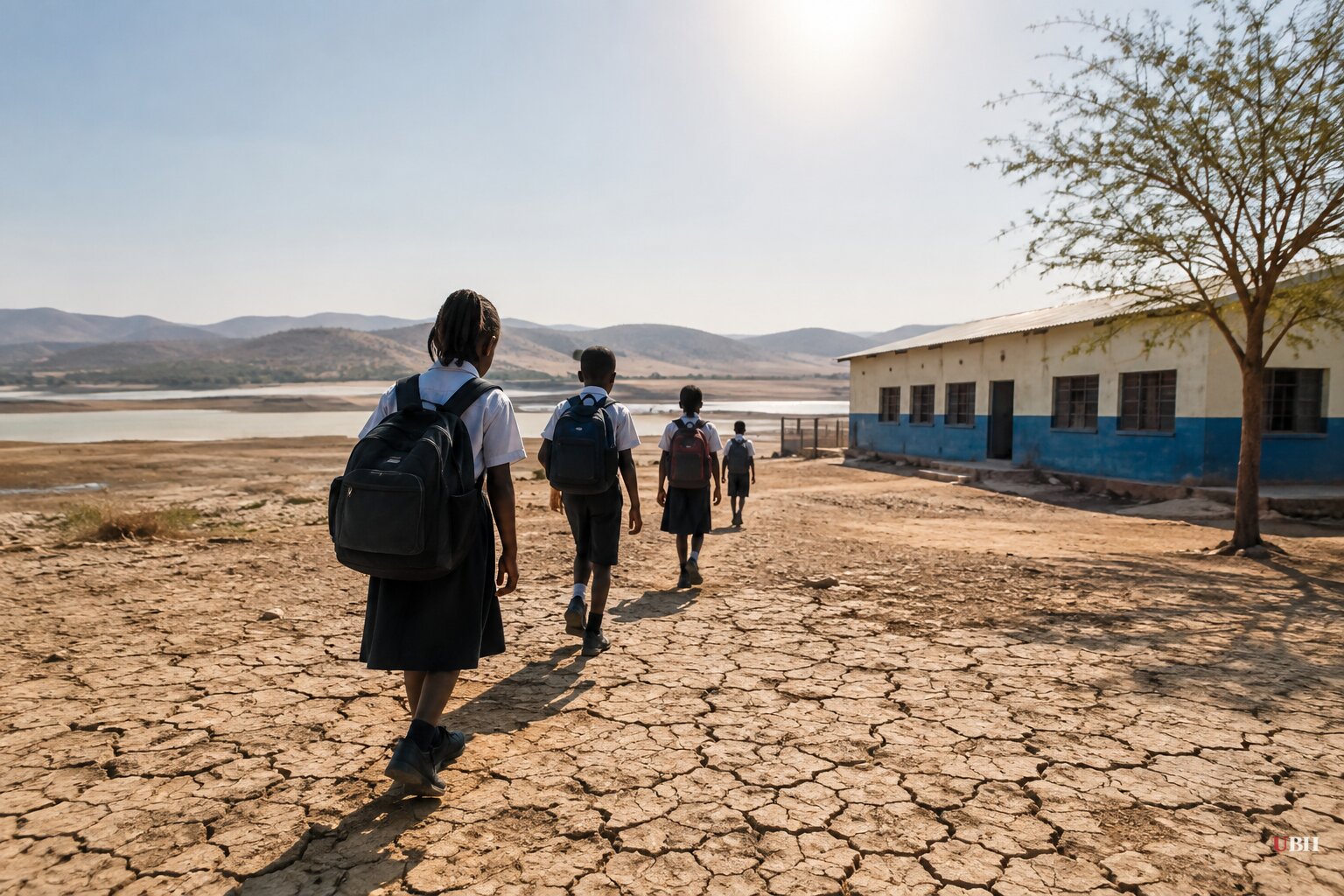
UNICEF says more than 171 million students worldwide, roughly one in 10 kids from pre-primary through high school, had their schooling disrupted by climate-related hazards in 2025.
The agency's report, titled "Learning Interrupted: Global Snapshot of Climate-Related School Disruptions in 2025," pulled data from 106 countries and territories. It counts closures, damaged buildings, forced shifts to remote learning, shortened class time, lower attendance and higher dropout risk as disruptions.
"For millions of children, climate hazards do not just disrupt classes, they also destroy their schools, uproot their families and deprive the most vulnerable," said UNICEF Executive Director Catherine Russell, according to Al Jazeera and Anadolu Agency.
The Numbers
Storms were the biggest culprit, affecting 109 million students, according to the report cited by Arab News and UN News. Floods hit at least 70 million kids. Heatwaves disrupted schooling for about 50 million more.
Pakistan took the hardest single hit. Monsoon flooding in August 2025 pushed back the start of the school year for more than 28 million students, per Anadolu Agency and Pajhwok Afghan News. Egypt saw a nationwide one-day class suspension in April 2025 after a Khamsin sand and dust storm, affecting a similar 28 million students, according to UN News.
Smaller-scale but repeated disruptions hit wealthier countries too. Spain's Valencia region saw more than 500,000 students affected by storms in March, then again by a post-tropical cyclone in September and extreme heat in May and June, according to Pajhwok Afghan News. Madagascar cycled through droughts, cyclones and floods that hit 280,000 students. UNICEF counted 40 countries that got hit more than once in the same year.
Three-quarters of all affected students live in low- and lower-middle-income countries, UNICEF said, where school systems often don't have the money or infrastructure to keep kids learning through an emergency.
Girls Hit Hardest
Every outlet in this batch flagged the same finding: girls face a bigger risk of dropping out for good when climate disasters hit schools.
"Damage to schools and sanitation facilities, displacement and lost family income can place additional caregiving and water-collection responsibilities on girls," the report states, as quoted by Arab News. UNICEF says those pressures raise the risk of child marriage, which makes it harder for girls to come back once schools reopen.
UNICEF estimates the lost learning from 2025 alone could cost affected students at least $200 billion in lifetime earnings if nothing changes, a projection built on assumptions about future wages and school completion rather than a number anyone can bank today.
The Comparison Problem
UNICEF's 2024 snapshot found nearly 250 million children across 85 countries, about one in seven, affected by climate hazards, with heatwaves as the dominant cause that year. The 2025 figure of 171 million looks like a big drop.
But Arab News reported something the other outlets in this batch didn't emphasize: UNICEF changed its methodology between the two reports, now basing its count on aid agency and local media data instead of government figures. The 2025 analysis also covers 106 countries versus 85 the year before. More countries, different data sources, a different total. Comparing the two years becomes difficult without identical methods.
A reasonable skeptic would ask whether "climate hazard" is doing too much work here. Storms, floods, heatwaves, droughts and wildfires are weather events that have always disrupted schools in poor countries with fragile infrastructure. UNICEF's report doesn't attempt to separate ordinary weather variability, including this year's strong El Niño pattern flagged by UN News in Papua New Guinea, from a longer-term climate trend. The report frames all of it as "climate-related," a label that's true in the sense that storms and floods are weather, but doesn't establish how much of the disruption is new versus how much is the same monsoon and cyclone seasons these countries have dealt with for decades.
Kids in Pakistan, Egypt, Madagascar and Papua New Guinea lost real classroom time in 2025, and the poorest countries bore three-quarters of it. UNICEF is calling on governments to build climate-resilient schools and fold disaster planning into national education budgets. Whether donor nations and recipient governments actually fund that, and whether UNICEF sticks with one methodology long enough to produce a real year-over-year trend line, remains to be seen.
Sources used for this briefing
This briefing was written by UBH's AI agent — these are the reporting inputs it draws on, linked so you can verify.


