
Unbiased headlines. Facts, not spin.
Unbiased Headlines is an independently owned news organization. We bring you the facts, not opinions, written fresh from 110+ named sources. Sources linked so you can verify it yourself.
 health
Major Story (7/10)
UNAIDS Report: 446,000 Fewer People on HIV Prevention Pills in 2025 as International HIV Funding Fell 18%
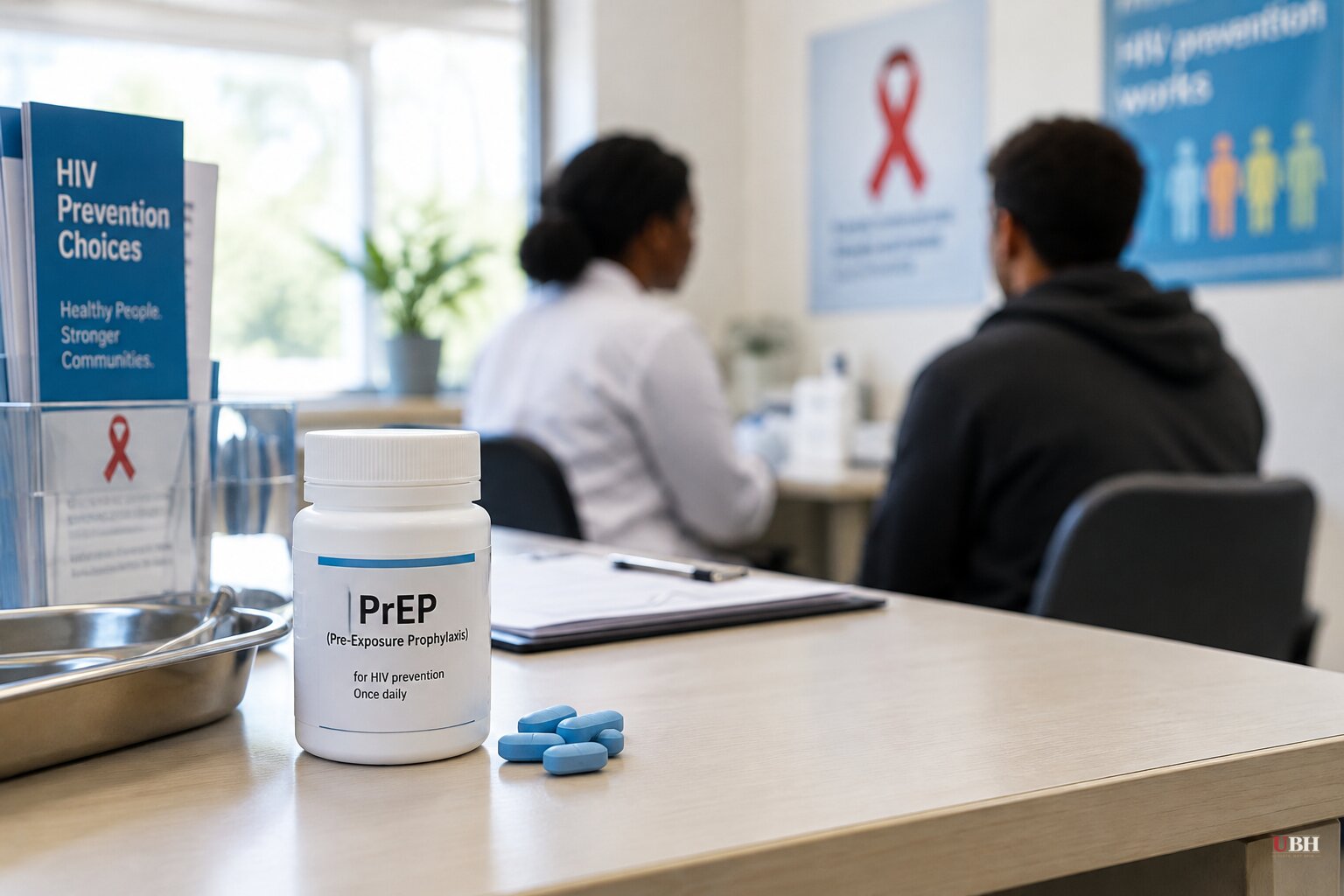
The Joint United Nations Programme on HIV/AIDS (UNAIDS) put hard numbers on the damage from last year's aid cuts in a report released Tuesday, Nov. 24, titled Ending AIDS Starts with Access. The headline figure: about 446,000 fewer people were on PrEP in 2025 than in 2024, across reporting countries.
PrEP is the preventive medicine that protects people from HIV if they're exposed to the virus. UNAIDS estimates only 2.6 million people worldwide had access to it last year. More than 20 million could benefit.
The money
International financing for HIV programs fell 18% in 2025, UNAIDS said. That is the largest decline in almost two decades. Domestic funding in affected countries rose 4%.
The United States is the largest source of international HIV money. It cut its contributions by 26% between 2024 and 2025. Disbursements from the Global Fund to Fight AIDS, Tuberculosis and Malaria fell 13%. The United Kingdom, France and other donors also reduced global health funding that year.
Resources for HIV programs in low- and middle-income countries dropped by more than $1 billion. UNAIDS puts the annual gap at $4.3 billion, the amount it says is needed to stay on track toward ending AIDS as a public health threat by 2030.
Who lost access
PrEP use fell hardest among the groups at highest risk:
- Sex workers: down 59%
- People who inject drugs: down 58%
- Transgender people: down 23%
- Gay men and other men who have sex with men: down 17%
Uptake did rise in a few countries, including Brazil, Uganda and Tanzania.
Other prevention tools took hits too. Global condom distribution dropped from three billion in 2024 to 2.7 billion in 2025. Voluntary medical male circumcision procedures fell 53% across priority countries.
UNAIDS Executive Director Winnie Byanyima said: "We know what happens when HIV prevention collapses. People become infected, treatment needs rise, costs soar and lives are lost." She added that "every clinic that closes, every outreach worker who loses their job and every young woman turned away from prevention services today risks becoming a new HIV infection tomorrow."
Dependence on foreign money
The exposure is lopsided. External resources make up up to 98% of all HIV resources in Nigeria, 94% in Mozambique and 80% in Uganda, according to UNAIDS. International donors finance all reported prevention spending in Eritrea and Zambia. Countries in Western and Central Africa rely on foreign money for about 90% of their HIV treatment services.
Backfilling is hard. UNAIDS says debt payments in many affected countries now run two to three times government health spending. Even countries with larger domestic budgets still lean on donors for prevention.
Community groups have been squeezed as well. One study cited by UNAIDS found more than three-quarters of surveyed civil society organizations reported service disruptions. Over 80% were operating at less than half capacity by the end of 2025.
The long-acting shot
There is a tool that could help. Lenacapavir is an injectable PrEP taken twice a year, which avoids the daily-pill problem that makes oral PrEP hard to stick with. By October, 175,000 people in nine sub-Saharan African countries had started on it, UNAIDS said. Cheaper generic versions are expected next year.
That is a small fraction of the 20 million UNAIDS says could benefit. Researchers are also developing other long-acting options, including a once-monthly pill.
What hasn't collapsed
The report is not all bad news. UNAIDS estimates about 570,000 people died of AIDS-related illnesses in 2025, down from 600,000 in 2024 and 1.3 million in 2010. New infections fell to an estimated 1.2 million, from 1.3 million the year before and a peak of 3.5 million in 1994.
About 41 million people were living with HIV in 2025, and 32.1 million were on antiretroviral treatment. The data covers 172 countries. UNAIDS said governments prioritized protecting treatment programs. Prevention, testing and community support took the damage. The agency also pointed to declining HIV testing, fewer viral load tests and fewer people starting treatment.
The figures are UNAIDS's own estimates, drawn from reporting countries, and the agency attributes the declines to the funding reductions.
What comes next
UNAIDS warns that the worst effects of the 2025 cuts may still be ahead. Existing treatment programs protect people in the short term. Disruptions to prevention, testing and treatment are expected to push infections up over time.
The agency says its 2027 data could show infections rising if funding and community services are not restored. That report will show whether the 2025 drop in PrEP, condoms and circumcisions has started to show up in new infection counts.
Sources used for this briefing
7 links from 6 independent newsrooms (syndicated copies of the same report count once)
These are the sources it draws on, linked so you can verify.


