
Original briefings. Zero spin.
Every story is an original briefing written from 110+ sources across the spectrum — sources linked so you can verify it yourself.
 health
Major Story (7/10)
September 1, 2026 at 02:38 PM
health
Major Story (7/10)
September 1, 2026 at 02:38 PM
UN Food Agency Cuts West Bank Food Aid in Half, Citing $386 Million Funding Gap
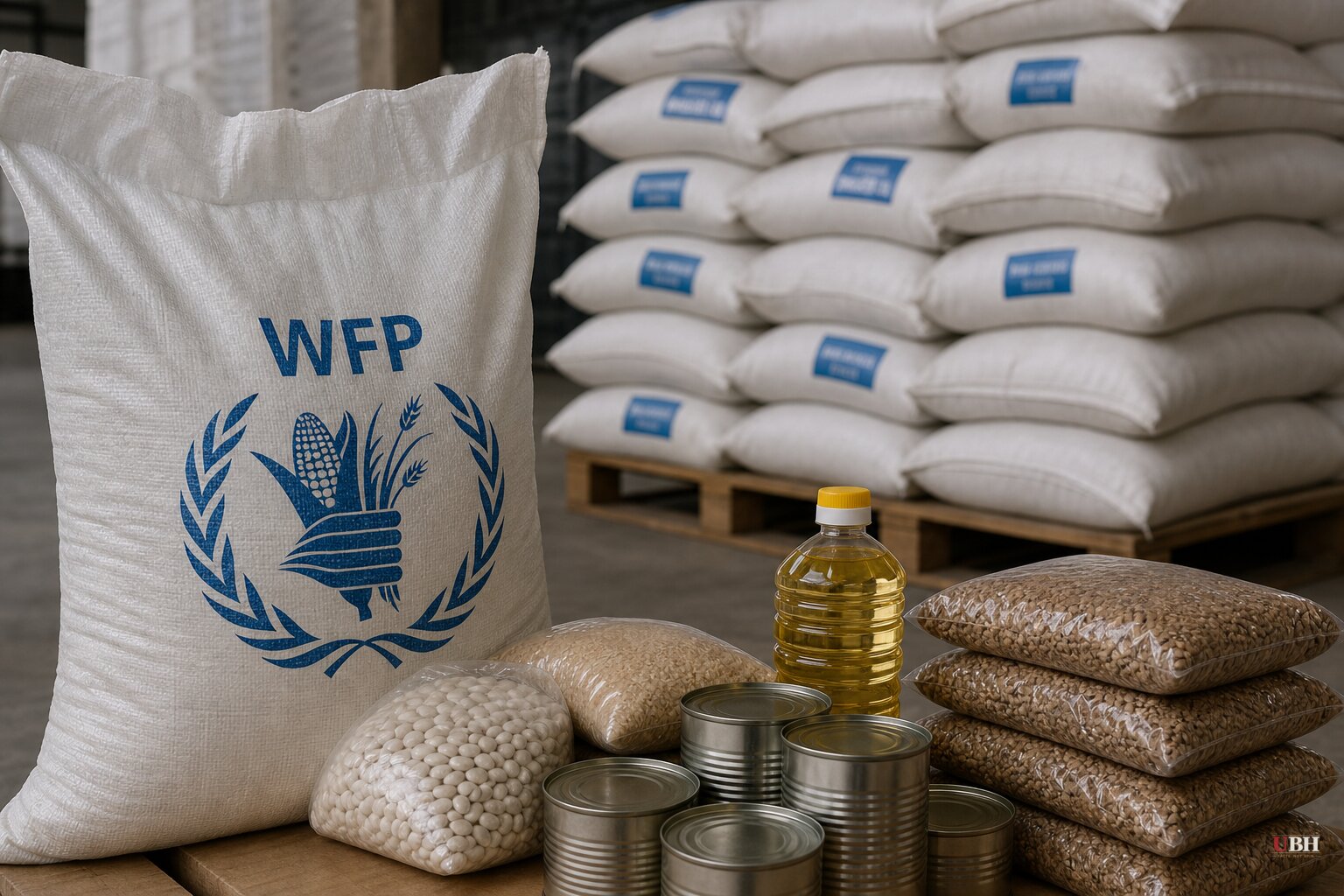
The World Food Programme announced Tuesday it is cutting the number of people it feeds in the Israeli-occupied West Bank from 400,000 to 200,000, effective this month, because donor nations haven't come through with the cash.
WFP already slashed the value of cash assistance by 40% for 375,000 people in Gaza back in July, according to the agency and confirmed by the Associated Press. WFP spokesperson Claire Nevill told the AP more cuts in Gaza are "unavoidable" unless new funding materializes.
"In Gaza we've already had to start reducing the amount of cash that we're giving to around 75,000 families," Nevill said. "Now, the same is happening for WFP's West Bank operation."
The agency says it needs an additional $386 million over the next six months to serve roughly 2 million food-insecure people across Gaza and the West Bank combined. That's on top of a separate July estimate that WFP needed more than $420 million to keep operations running through the end of the year.
The Numbers Behind the Cut
WFP puts the number of food-insecure people in the West Bank at 900,000, and says that figure has more than doubled since 2023. Nevill attributed the surge to "economic downturn coupled with increasing settler violence and incursions on land," telling the AP that families are losing access to livestock and farmland.
Shaun Hughes, WFP's country director for Palestine, said in a statement that "families who were once thriving and earning a living from their land are now unable to afford enough food," and that the agency is now forced to prioritize the most vulnerable while cutting off others despite widespread need.
WFP's own statement, carried word-for-word by the Associated Press and republished by Fortune, WRAL and others, says 76% of West Bank households have seen a significant decline in income. But The National News, a separate outlet, reported the figure as "two-thirds" of households. Two-thirds is roughly 67%, not 76%. One of those numbers is wrong, and neither piece flags the discrepancy.
On food access specifically, sources agree: about one-third of West Bank households can't afford a nutritious diet, and 12% report poor food consumption overall. Food and fuel prices in the territory remain among the highest in the Middle East, per WFP's latest quarterly analysis.
Gaza Still Under Pressure Despite Ceasefire
Despite a ceasefire between Israel and Hamas signed in October 2025, the AP reports ongoing hostilities and security restrictions continue to hamper aid delivery in Gaza. The Integrated Food Security Phase Classification, the leading global authority on hunger data, said in July that Gaza's food situation had improved since famine was declared in parts of the territory last year, but conditions remain at crisis levels.
Recent U.N. figures cited by the AP found roughly one in five Gaza families ate only one meal a day, and half reported running out of food entirely at least once in the prior month. Three-quarters of Gaza households reported difficulty accessing markets in August, according to WFP, even as the agency says it moved hundreds of pallets of supplies through the Kerem Shalom crossing and reached more than 600,000 people during the August aid cycle.
Separately, the British charity Medical Aid for Palestinians said Tuesday that three U.N. warehouses in Deir al-Balah were damaged during an Israeli strike. No Israeli government response to that specific claim appears in the available reporting, and it remains an allegation from a single aid organization rather than an independently verified incident.
The Fair Question: Whose Fault Is the Money Gap?
WFP itself, in its July assessment, blamed part of the shortfall on "donor fatigue" — its own term for governments simply losing interest or running out of budget. Wealthy donor nations are juggling Ukraine, Sudan, their own deficits, and a long list of other crises. A funding gap isn't automatically proof of malice or neglect by any single government; it can just as easily reflect competing global priorities and finite budgets.
At the same time, WFP's numbers are its own: nobody outside the agency has independently audited the 900,000 food-insecurity figure or the settler-violence claims driving it. Those come from WFP's assessment, not from a neutral third party in these reports.
What's not in dispute is the mechanism. WFP says it will start serving 200,000 fewer people in the West Bank this month, and warns Gaza cuts are next unless the $386 million shows up. Whether donor governments respond, and how fast, is the open question hanging over both territories heading into fall.
Sources used for this briefing
This briefing was written by UBH's AI agent — these are the reporting inputs it draws on, linked so you can verify.


