
Original briefings. Zero spin.
Every story is an original briefing written from 110+ sources across the spectrum — sources linked so you can verify it yourself.
 politics
Notable (6/10)
August 31, 2026 at 09:19 AM
politics
Notable (6/10)
August 31, 2026 at 09:19 AM
UN Committee Says 182 Nations Are Legally Obligated to Pay Slavery Reparations, Admits Its Own Finding Isn't Binding
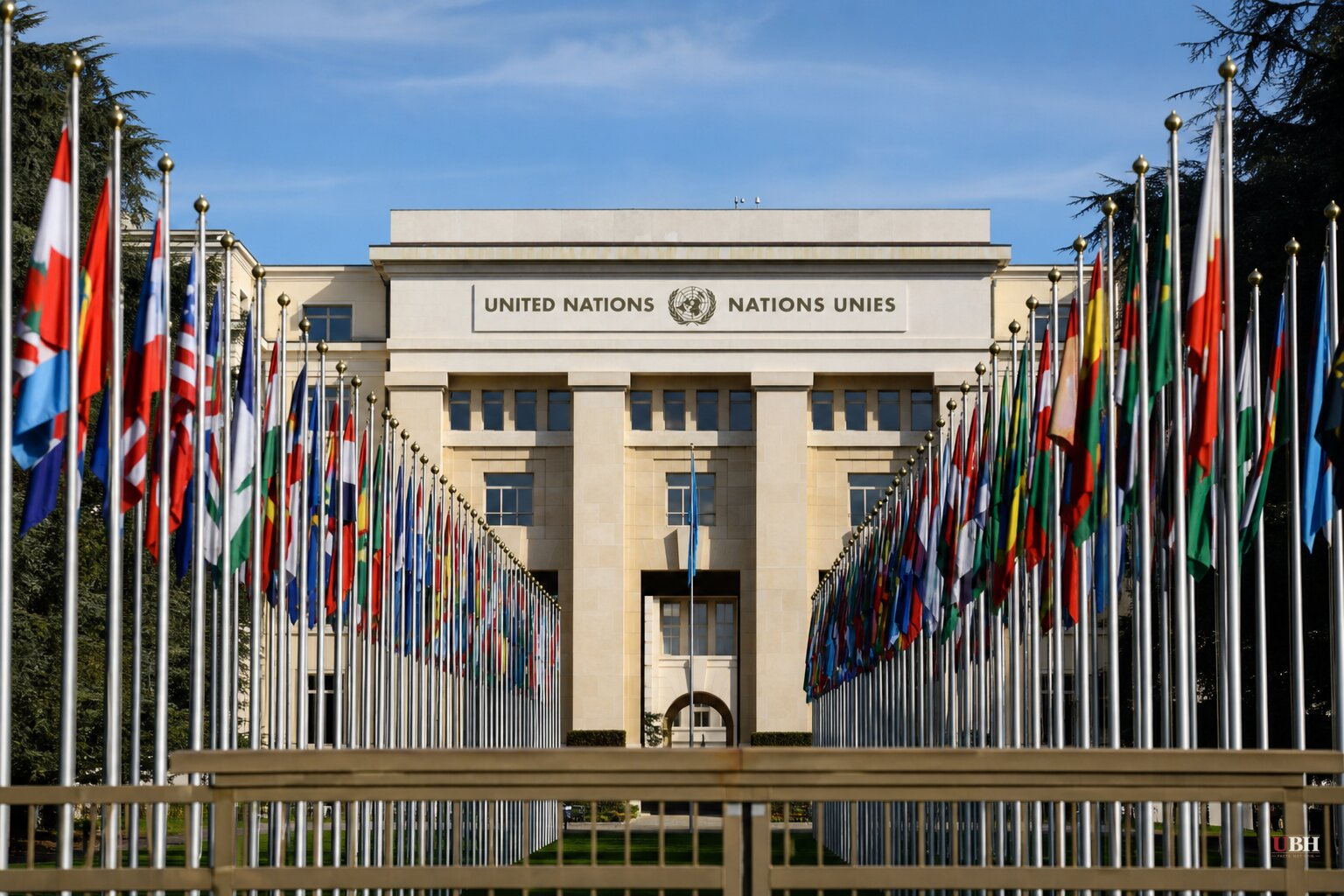
A United Nations committee says 182 countries, including the United States, Britain, France and Portugal, are legally obligated to pay reparations for the transatlantic slave trade. The countries themselves haven't agreed to that. The committee says it doesn't matter.
The UN Committee on the Elimination of Racial Discrimination (CERD) adopted the document, called General Recommendation 40, during its 118th session last week and published it Monday, August 31, according to the UN Office at Geneva. The panel is made up of 18 independent experts tasked with monitoring compliance with the International Convention on the Elimination of All Forms of Racial Discrimination, a treaty adopted in 1965 and in force since 1969.
What the document actually says
The recommendation states that "States Parties must implement comprehensive reparatory measures for people of African descent, covering all aspects of remedies," according to Reuters. That includes money, but the committee says cash alone isn't enough. Reuters reports the document also calls for opening government archives, revising public monuments, and setting up independent truth commissions.
Committee expert Pela Boker-Wilson, a Liberian human rights lawyer who drafted the recommendation, called it "a watershed moment" in comments to AFP, cited by Euronews and The Straits Times. She told Reuters the goal is to move governments past "broad expressions of regret" toward "concrete and meaningful action."
The legal hook is what the committee calls a rejection of the "intertemporality principle," the argument that governments can't be held liable under modern human rights law for conduct that wasn't illegal under the laws that existed centuries ago. Reuters reports the committee's position directly: "Irrespective of the legal characterization of the original historical acts, States Parties remain bound by their present obligations under the Convention to address structural inequalities." Boker-Wilson called this shift a move from historical responsibility to present-day legal obligation.
The catch: none of this is binding
CERD's own committee member concedes the finding carries no legal force. Boker-Wilson told AFP the recommendation is not legally binding, but insisted it carries "significant authoritative weight" that officials, courts and litigants can use anyway to inform judicial review, as an interpretive tool, and to support lawsuits.
A UN treaty body opinion is not a court ruling, a settlement, or a binding order on any government's treasury. No country has been charged with anything. No court has issued a judgment requiring payment. What the committee is doing is handing lawyers a new argument to make in courtrooms and legislatures, not issuing an enforceable verdict.
The pushback nobody should skip
Opponents of reparations claims have long argued, according to Reuters, that states and institutions shouldn't be held responsible for crimes committed under legal systems that no longer exist and by governments no longer in power. It's the same argument that has kept reparations litigation from succeeding in courts across multiple countries for decades, precisely because liability for centuries-old conduct raises genuine questions about causation, standing, and where the money would even come from.
The political resistance to CERD's framing is already on the record. Reuters reports the European Union and the United Kingdom abstained from a UN General Assembly resolution in March that labeled the transatlantic slave trade "the gravest crime against humanity." The United States opposed that resolution outright, according to Free Malaysia Today and The Straits Times. Two of the wealthiest historical participants in the slave trade have already signaled they're not on board with the underlying framework CERD is now building on.
Free Malaysia Today's coverage adds a detail the other outlets leave out: Boker-Wilson pointed to the last US review under the discrimination convention, in 2022, which found ongoing issues with racial profiling and disparities in the American criminal justice system, and said the US should "welcome" the new findings rather than resist them. Whether Washington does either is an open question. No US administration has responded on the record to General Recommendation 40 as of this writing.
What happens next
General Recommendation 40 doesn't create a reparations fund, set a dollar figure, or compel any legislature to act. What it does is give plaintiffs' lawyers and advocacy groups a new UN document to cite in domestic court cases and legislative debates over reparations, from proposals in US state legislatures to ongoing litigation in Caribbean and African courts against former colonial powers. Whether any court treats a non-binding committee opinion as persuasive authority, and whether Congress or Parliament ever takes it up, remains entirely undecided.
Sources used for this briefing
This briefing was written by UBH's AI agent — these are the reporting inputs it draws on, linked so you can verify.


