
Unbiased headlines. Facts, not spin.
Unbiased Headlines is an independently owned news organization. We bring you the facts, not opinions, written fresh from 110+ named sources. Sources linked so you can verify it yourself.
 politics
Major Story (7/10)
UN Agencies Warn Hunger Will Worsen in 16 Hotspots, Up From 13, as El Niño and War Hit Shrinking Aid
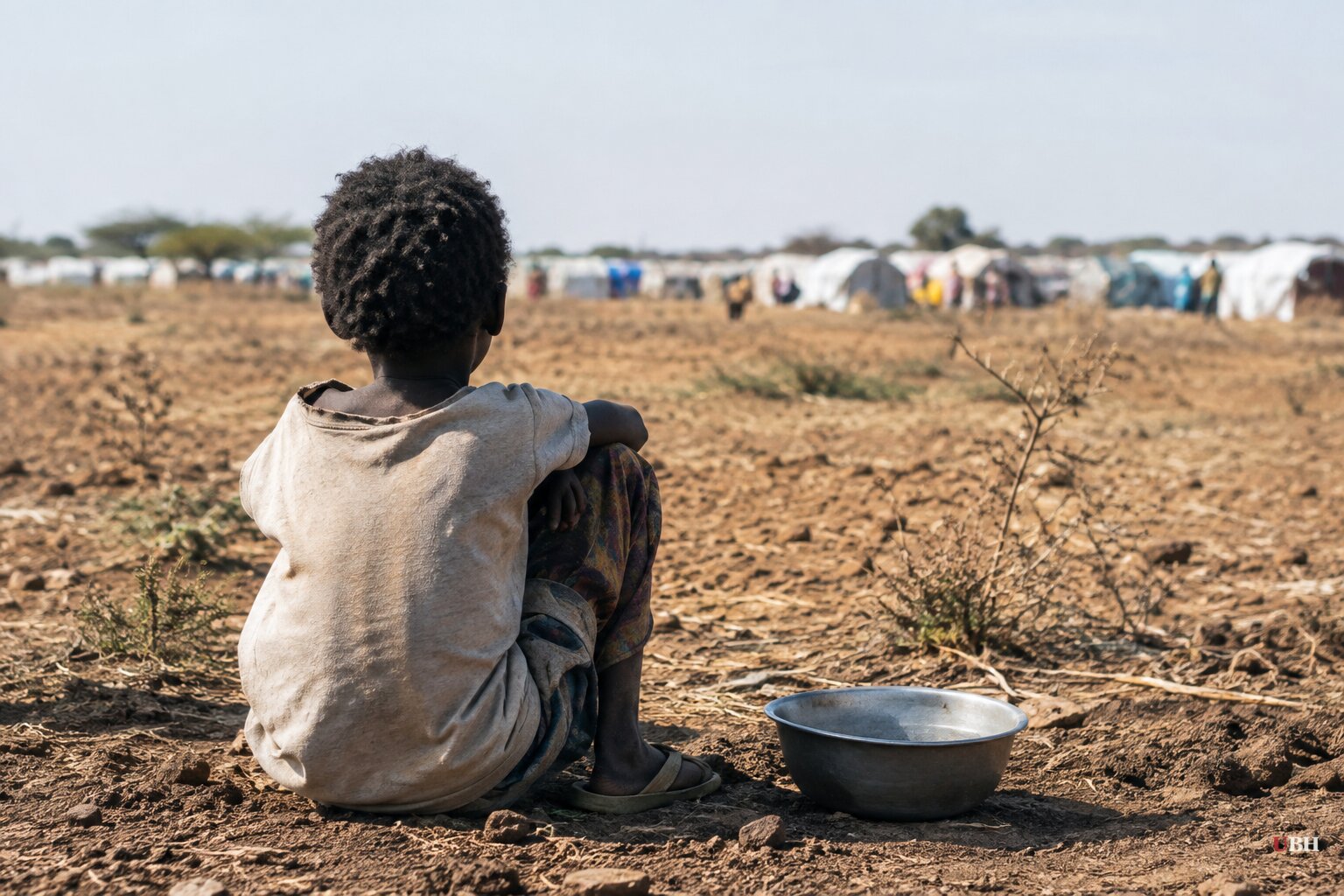
The UN's Food and Agriculture Organization and World Food Programme said Friday, Nov. 27, that hunger is set to worsen significantly in 16 hotspots between December 2026 and May 2027. That is up from 13 in the agencies' June report.
The five places of highest concern are Sudan, South Sudan, Somalia, northern Nigeria and Yemen. All five have been on the list repeatedly since 2022.
What changed since June
Chad, northeastern Uganda, Southern Africa and the Central American Dry Corridor were added. Lebanon came off.
The agencies say El Niño is a major driver behind three of the four new entries: Southern Africa (Eswatini, Malawi, Mozambique, Zambia and Zimbabwe), the Dry Corridor and northeastern Uganda. Chad was added because of spillover from the war in neighboring Sudan.
Conflict and armed violence are driving hunger in 12 of the 16 hotspots. In four of the five worst, the latest analyses found or projected people facing Catastrophe, the most severe phase of the Integrated Food Security Phase Classification, which is marked by starvation and death.
Soaring food, energy and transport costs are also eating into household budgets. Several sources tie the fuel spike to the war in the Middle East.
Money for the worst-hit countries has collapsed
Humanitarian funding for food security and nutrition in the five top hotspots fell 62%, from $5.1 billion in 2022 to $2 billion in 2025, the agencies said.
"These are huge changes in international support," said Conor Elliott, a senior official in FAO's emergencies and resilience office. He warned that the cuts are also undermining the collection of data needed to measure how bad things are.
The report's own assessment is blunt. Past assistance helped avert famine, but "the gains proved fragile and of limited duration," and severe food insecurity, including famine risk, "re-emerged within a few years."
Sudan: famine risk in 13 areas
Sudan is the largest crisis in the report. Famine remains a risk through January 2027 in 13 areas of North Darfur and South Kordofan. Nearly 19.5 million people, 41% of the population, faced crisis-level hunger or worse in the latest nationwide analysis.
In two displacement camps in Eastern Jebel Marra, South Darfur, acute malnutrition rates exceeded the famine threshold. Sorghum prices more than doubled in a year, and diesel prices did too.
Drought tied to El Niño now adds to the war. It affects up to 55% of cropland in Sennar state and 70% in Gedaref, two of Sudan's main farming states. FAO Deputy Director-General Beth Bechdol told The Associated Press the drought is a major threat on top of the fighting.
Famine risk was also identified in parts of South Sudan, where the agencies say escalating violence has compounded an already desperate situation.
Yemen, Somalia and Gaza
In Yemen, fighting that resumed in July is spreading across multiple fronts. The encirclement of Taiz has created siege-like conditions, and more than 300,000 people have been displaced since the escalation began, mostly in Taiz, Lahj and Aden provinces.
In government-held areas, 1.8 million people face emergency levels of hunger, up from 1.6 million in the previous analysis. No recent assessment exists for Houthi-held areas, which have become harder for aid groups to reach.
Somalia looks somewhat better on paper. No population is currently projected to face Catastrophe and the risk of famine has receded, the agencies said. Displaced people in Baidoa remain at Emergency level, and Doctors Without Borders has reported a rise in cholera and other diseases from contaminated water.
The Palestinian territories were moved down one level after the October 2025 ceasefire in Gaza. Even so, 67% of Gaza's population still faces crisis-level hunger or worse, and the report called the gains fragile. Afghanistan, Haiti and the Democratic Republic of Congo are also rated very high concern.
El Niño: drought on one side, floods on the other
The agencies describe El Niño as gaining strength and possibly among the most intense on record. The World Meteorological Organization says it is set to intensify to exceptional levels in the coming months.
In Southern Africa, hotter and drier conditions threaten planting and future harvests. Through March 2027, up to 3 million people in Zimbabwe, 2.6 million in Malawi and 1.8 million in Mozambique are projected to face high levels of acute food insecurity.
In the Central American Dry Corridor, the 2026 Primera season was the driest in four decades. Crop losses topped 75% in many areas, and the 2027 lean season could start early. In Guatemala alone, 3.2 million people are projected to face high acute food insecurity between October 2026 and February 2027.
Eastern Africa faces the opposite risk. "There's going to be a very, very strong El Niño effect," Elliott said, adding that some areas are likely to swing from drought to heavy rains, with potentially destructive flooding.
What the agencies are asking for
FAO and WFP called for urgent humanitarian assistance and safe access to affected populations. Their joint El Niño anticipatory action plan aims to protect 9 million people in 22 countries. The agencies say acting before the worst effects arrive can prevent damage to harvests, livestock and incomes.
Whether that money arrives before the weather does remains unclear. The Dry Corridor lean season could start early, and Sudan's famine-risk window runs through January 2027.
Sources used for this briefing
7 links from 7 independent newsrooms (syndicated copies of the same report count once)
These are the sources it draws on, linked so you can verify.


