
Unbiased headlines. Facts, not spin.
Unbiased Headlines is an independently owned news organization. We bring you the facts, not opinions, written fresh from 110+ named sources. Sources linked so you can verify it yourself.
 politics
Major Story (7/10)
Supreme Court Will Hear Trump's Asylum Ban, With a Ruling Expected by Summer 2027
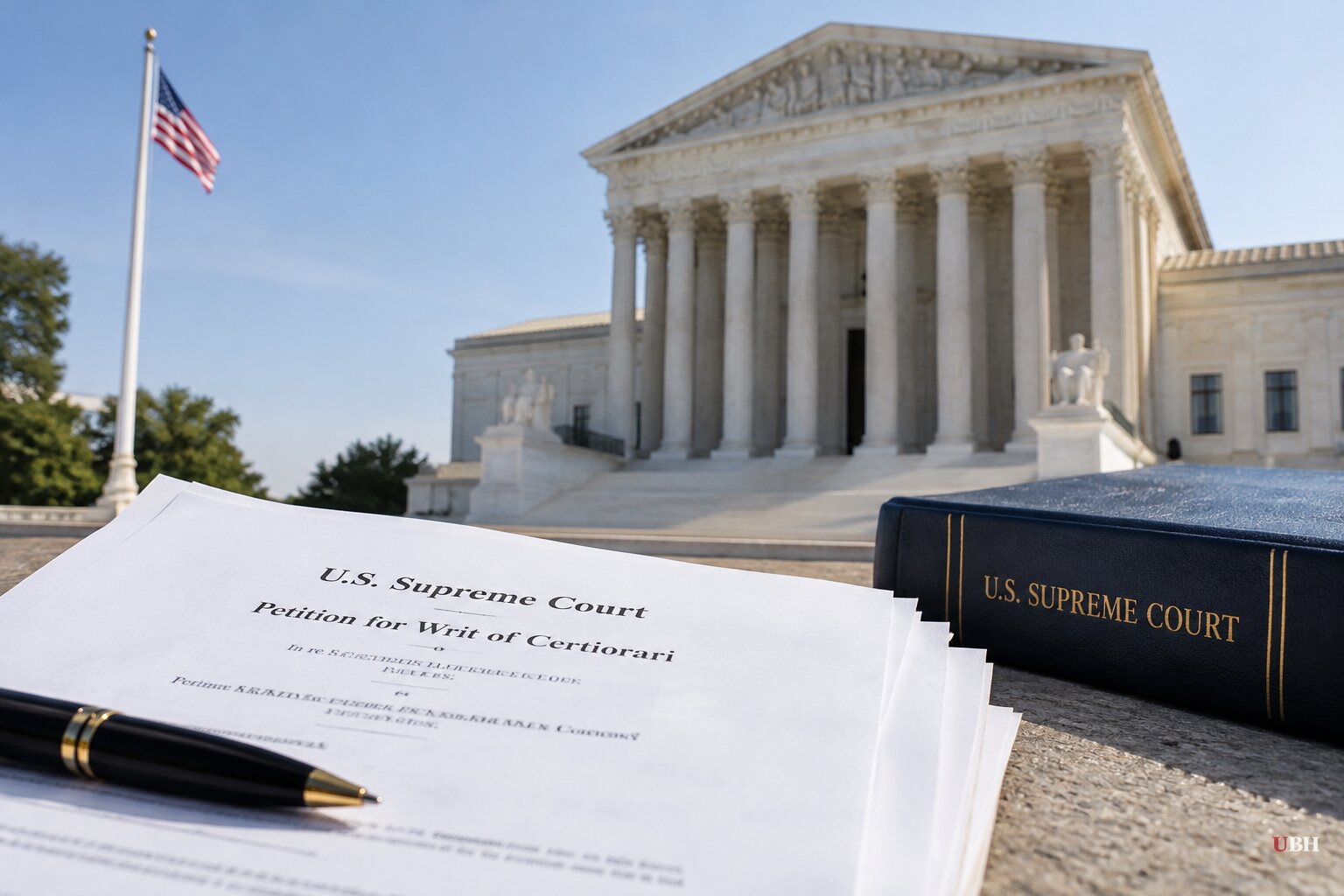
Since Trump's proclamation took effect within hours of his return to office on Jan. 20, 2025, the asylum ban has stayed largely in place through two lower-court losses. On Friday, Nov. 13, the Supreme Court agreed to take the case. A decision is likely at the end of the term in June or July 2027.
The question is both narrow and sweeping. Can a president bar people who cross the southern border without authorization from applying for asylum, or does that power belong to Congress and the statute it wrote?
What the administration says
The solicitor general's petition, filed in August, asks the justices to overturn a D.C. Circuit ruling against the policy. The administration argues it can categorically deny asylum to people covered by the proclamation and should not have to accept applications "destined to be rejected."
Federal attorneys also say yearslong processing times fed the influx at the border, because many migrants were released into the country while waiting for a decision.
The proclamation itself cites costs to the states, which it says have "collectively spent billions of dollars" on medical care, human services and law enforcement tied to illegal crossings.
Under Department of Homeland Security guidance implementing the order, agents can summarily remove violators. Only people who can show a fear of torture get an exception, with limited screening under the Convention Against Torture.
The numbers
The border looks very different than it did two years ago. Customs and Border Protection recorded fewer than 99,000 Southwest border apprehensions in fiscal year 2026. That is a 95% drop from the more than 1.8 million a year recorded under President Biden, and the lowest level in Border Patrol history.
Simon Hankinson, a senior research fellow at the Heritage Foundation's Border Security and Immigration Center, told NPR the gap between an average Trump month and an average Biden month is "just staggering." He said a Supreme Court reversal "would be disastrous."
Hankinson argues most arrivals would not qualify for asylum under U.S. law anyway. His reasoning is that they pass through Mexico, which he calls a safe third country, and that many "are here because they want to get a job."
The legal challenge
The American Civil Liberties Union and the National Immigrant Justice Center say the order is an attempt to unilaterally "eviscerate" protections for people fleeing danger. They argue that federal law lets anyone seek asylum regardless of how they arrived. The executive branch decides who is granted it, they say, but those decisions must be made case by case, and the law does not let a president stop people from applying at all.
The groups also dispute the administration's causal story. Crossings, they say, were already falling before Trump took office.
Lawyers for the Refugee and Immigrant Center for Education and Legal Services told the court in September that a president has "no statutory authority to create new asylum eligibility bars." They add that the attorney general and homeland security secretary do hold some such authority, but that neither the proclamation nor the implementing guidance invokes it.
Critics also point beyond the border ban. They say the administration has canceled thousands of pending asylum applications and fired immigration judges en masse, and that together these moves have turned the immigration court system into what they call a deportation arm of ICE.
A second front: third-country removals and TPS
The border ban is not the only immigration fight at the court. In December, the justices are set to review the administration's practice of deporting immigrants to third countries that agree to adjudicate asylum claims, even though some of those countries face human rights abuse allegations.
The court has also been pulled into a separate dispute over Temporary Protected Status for Venezuelans. The Ninth Circuit has frozen a lower-court order from Judge Edward Chen in San Francisco that would have restored TPS for hundreds of thousands of Venezuelans. The freeze lasts until seven days after the appeals court decides the case, which gives the losing side one week to seek emergency relief.
The Ninth Circuit acted hours after Solicitor General D. John Sauer filed an emergency request at the Supreme Court. It was the administration's third trip there in this fight. Sauer said enforcing Chen's order "for even a moment" would force the release of roughly 1,800 detainees and derail deportations already under way. He also told the justices the government is "virtually certain" to win on appeal.
The court's recent signals on TPS favor the administration. In June 2026, in Mullin v. Doe, the justices sharply limited how far judges can second-guess a homeland security secretary's decision to end the status. In early October they wiped out an earlier Ninth Circuit ruling in the Venezuelan case and sent it back for another look under that standard.
A panel of Judges Kim McLane Wardlaw, Salvador Mendoza Jr. and Anthony D. Johnstone first refused to keep Chen's ruling on hold in late October. Days later it granted a 14-day pause, and the new freeze replaces that one.
What comes next
The asylum ban stays in force while the case is briefed and argued. Hearing dates have not been announced, and the Trump administration has not said whether it would change its approach if it loses. The Supreme Court's December review of third-country removals will be the next signal of how far the justices will let the executive branch go on its own.
The open question is whether the court treats asylum as a statutory right that only Congress can narrow, or as a power the executive can shut off when it declares an invasion.
Sources used for this briefing
7 links from 5 independent newsrooms (syndicated copies of the same report count once)
These are the sources it draws on, linked so you can verify.


