
Original briefings. Zero spin.
Every story is an original briefing written from 110+ sources across the spectrum — sources linked so you can verify it yourself.
 politics
Notable (6/10)
August 30, 2026 at 08:14 PM
politics
Notable (6/10)
August 30, 2026 at 08:14 PM
UK Prison Recalls Jump 28% as Early-Release Scheme Faces Overhaul, Echoing US Fight Over North Carolina's 2020 Release Deal
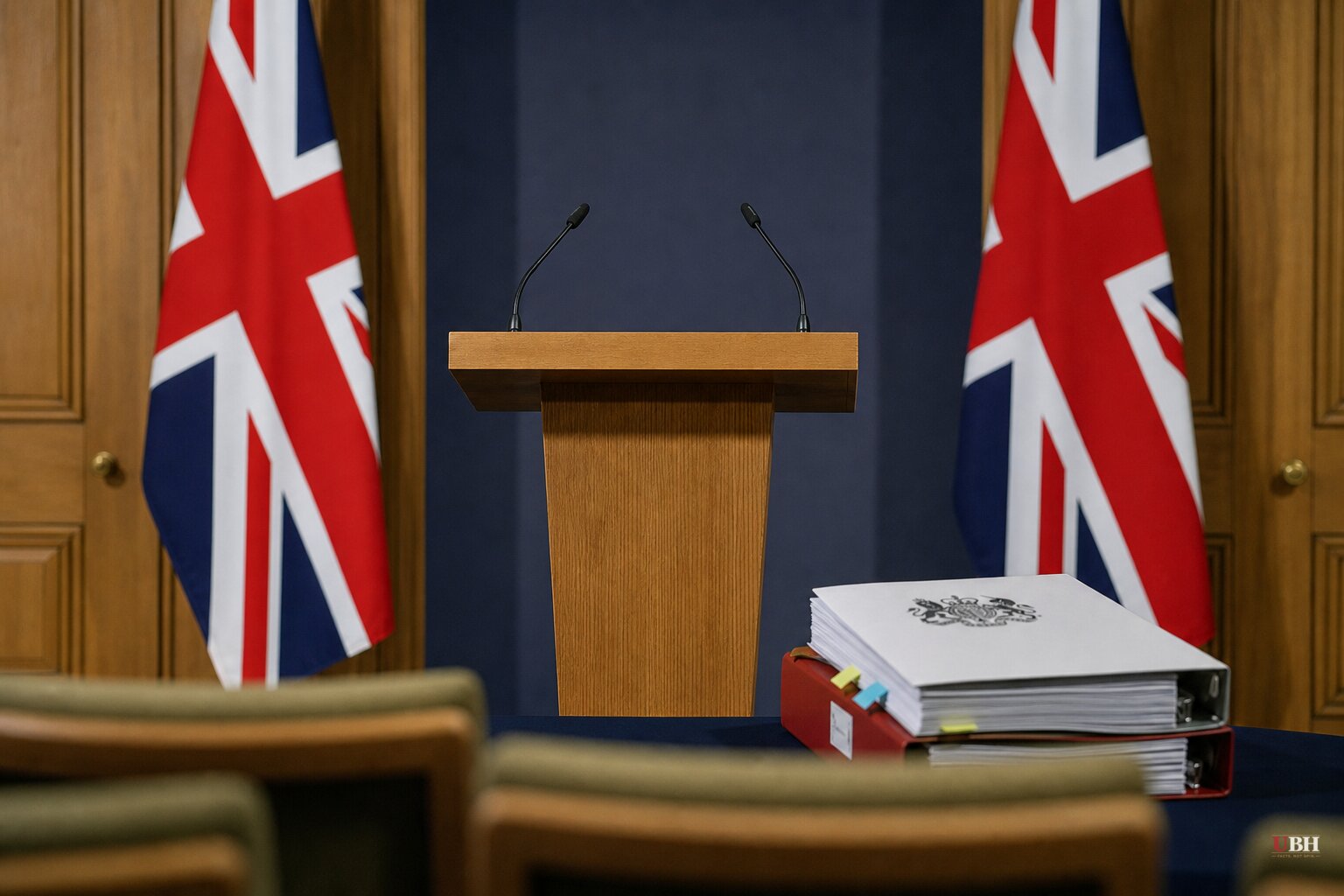
Recalls Up 28% as UK Prisons Near Capacity
Prison governors in England told the BBC that inmates released early under the government's 2024 scheme to relieve overcrowding are returning to custody at what one governor in the Midlands called a "revolving door" pace. The governors, who spoke anonymously because prison staff are barred from talking to media, described the same offenders cycling back in after reoffending or breaching release conditions.
The numbers back them up. Licence recalls, meaning a released prisoner sent back for breaching conditions or raising new risk concerns, hit 51,419 in the year ending March 2026, according to figures cited by the BBC. That is up from 40,259 the year before, a 28% increase. Recalls dipped slightly in the January-to-March quarter but remain well above historical norms.
One governor in northern England told the BBC that doubling up prisoners in single-occupancy cells, some of which have only a workspace, a bed and an open toilet, is creating health and safety problems on top of an existing infestation issue. Another said the practice of sending overflow inmates to prisons far from home is fueling gang tension between rival groups from cities like Manchester, Liverpool and different parts of London.
Starmer Reverses Course After Harper Case
Prime Minister Keir Starmer announced Sunday that the next early-release tranche, set to begin in October, will exclude anyone convicted of unlawful killing, following weeks of pressure over the case of Albert Bowers and Jessie Cole. The pair, convicted of manslaughter for the 2019 death of PC Andrew Harper in Sulhamstead, Berkshire, had been eligible for early release under the original plan. More than a million people signed a petition demanding they stay behind bars, according to the BBC and NewsBeep.
Under the revised scheme, killers, rapists, child sex offenders, groomers and those convicted of indecent assault or death by dangerous driving will no longer qualify, NewsBeep reported. The Guardian put the number of affected prisoners at roughly 1,400, and Starmer himself conceded the change means "hundreds" more people will stay locked up than originally planned.
Debbie Adlam, Harper's mother, told BBC Breakfast she was "glad and grateful" but described a "mixed bag of emotions" after what she called a traumatic fight just to get back to where things started. Thames Valley Police chief constable Jason Hogg said the announcement would be "welcomed by many across policing," while stressing it wasn't about politics but about recognizing Harper's death.
Offsetting Lost Capacity
The government says it will offset the lost capacity by deporting foreign national prisoners and releasing some inmates serving indefinite sentences. The Guardian reported that critics, including prison reform advocates, warn neither step will produce enough space fast enough, since prisons in England and Wales are already running at 97-98% capacity. One governor told the BBC the plan is "all short-term solutions and we need space now," adding that adding cells to existing prisons requires more staff the system doesn't have.
The Guardian's framing that the reversal leaves prisons "one major event away from disaster" reflects what reform advocates are arguing, though it represents their prediction rather than an established fact. The justice secretary is expected to give further details in Parliament on Tuesday, including precise numbers of affected offenders.
A Parallel Fight in North Carolina
A similar argument over early release and recidivism is playing out in the US Senate race in North Carolina. Breitbart News reported that Democratic candidate Roy Cooper, as governor, settled a lawsuit brought by advocacy groups that led to the release of what court and public records show was roughly 4,200 prisoners, after a minimum of 3,500 was set in the settlement.
The New York Post, in reporting cited by Breitbart, found that North Carolina's own Sentencing and Policy Advisory Commission put the recidivism rate for that released group at 48%, compared with 44% for the broader population of inmates released in fiscal year 2021. The Post's review reportedly tied the group to 18 murders and more than 600 felonies committed after release. Breitbart also reported that DeCarlos Brown, charged in the killing of Iryna Zarutska, appears on the release list.
Cooper has disputed the characterization of his record, telling reporters that "independent fact checks show most of what they're saying is simply not true" and pointing to his history prosecuting violent crime. His campaign has pushed back specifically on the claim that Brown's case is representative of the settlement's outcomes. No court has ruled on the disputed characterizations, and the underlying settlement itself is a matter of public record rather than a criminal case against Cooper personally.
Both stories turn on the same unresolved question: whether early-release policies designed to relieve overcrowded prisons and court backlogs create recidivism problems that outweigh the space they free up. In the UK, answers will start coming into focus when the justice secretary details the October scheme's actual scope this week. In North Carolina, it's now a live issue for voters ahead of the Senate race.
Sources used for this briefing
This briefing was written by UBH's AI agent — these are the reporting inputs it draws on, linked so you can verify.


