
Original briefings. Zero spin.
Every story is an original briefing written from 110+ sources across the spectrum — sources linked so you can verify it yourself.
 politics
Major Story (7/10)
August 26, 2026 at 02:25 AM
politics
Major Story (7/10)
August 26, 2026 at 02:25 AM
UK PM Andy Burnham Plans September Trip to Push Trump on Patriot Missiles for Ukraine
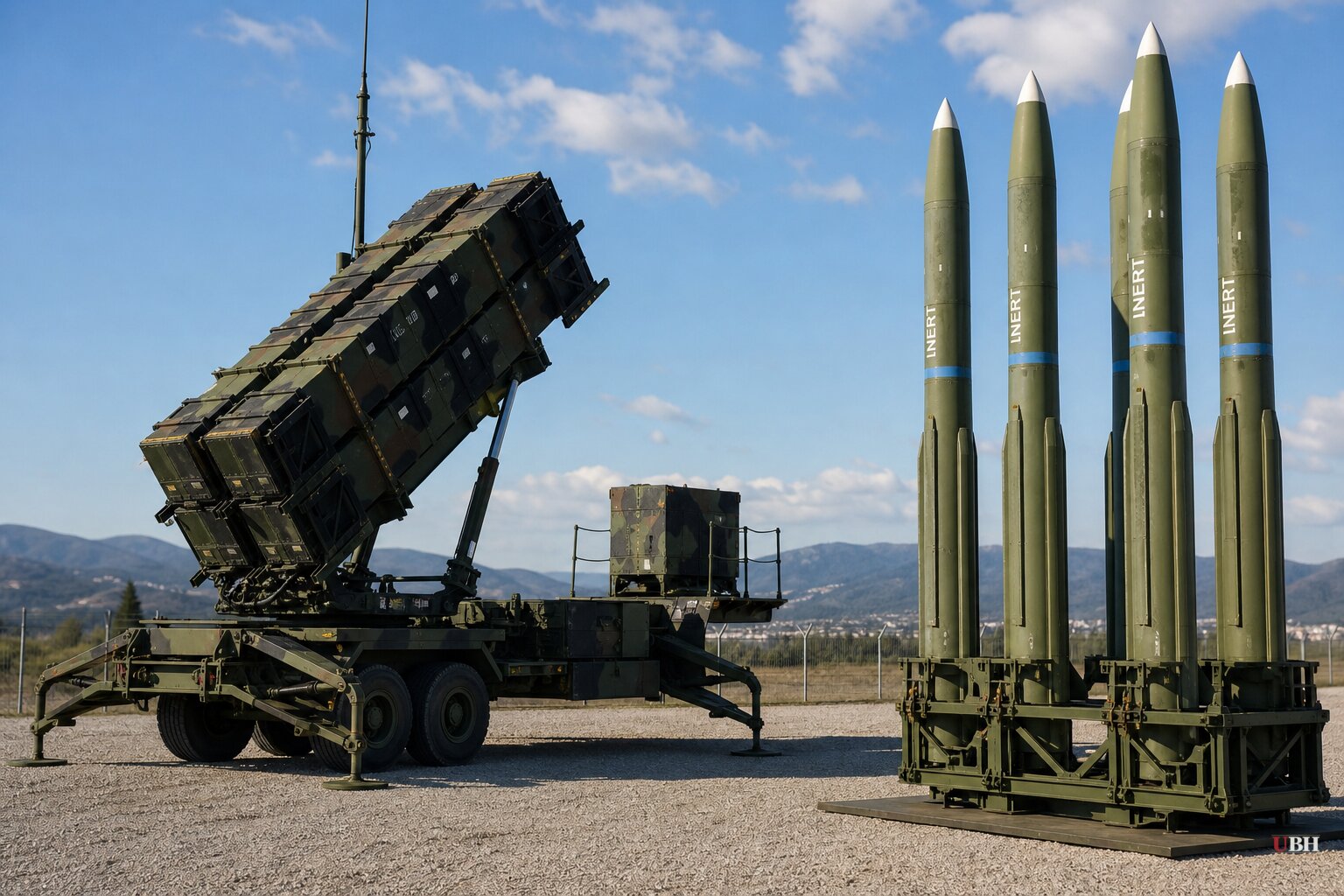
UK PM Keir Starmer Plans September Trip to Push Trump on Patriot Missiles for Ukraine
Since Ukrainian President Volodymyr Zelenskyy's Aug. 13 call for at least 5% of America's total interceptor stock, the pressure campaign has moved from Kyiv to Washington's doorstep. British Prime Minister Keir Starmer now says he'll carry that appeal to New York in September, aiming to lobby President Donald Trump directly for Patriot missiles.
Starmer told Bloomberg on Aug. 25 that a trip is likely, timed to the United Nations General Assembly. "I haven't finalized all the details yet, but I will likely go, especially after today's conversations," he said, following meetings in Kyiv the day before.
The visit would be one of Starmer's periodic trips to the U.S. as prime minister. It follows a stop in Kyiv where he met Zelenskyy and joined a gathering of Ukraine's allies marking the country's 35th anniversary of independence from the Soviet Union.
A Shortage With Multiple Causes
Ukraine's interceptor problem isn't new, but it's gotten worse on two fronts. Russia has shifted production toward ballistic missiles, which are far harder for Patriot systems to stop than cruise missiles or drones, according to the Washington Examiner and the Denver Gazette, both citing the same underlying reporting. July 6 marked the first day Ukraine failed to intercept a single ballistic missile, and that's reportedly become routine rather than an exception.
At the same time, U.S. stockpiles have been stretched thin by the war between Israel and Iran, which pulled Patriot batteries toward defending American bases and regional allies in the Middle East, according to the Northeast Times. That's left fewer interceptors in the pipeline for Ukraine even as Russian strikes continue.
The Financial Times reported, according to Ukrainian outlet NV, that Trump already rejected an initial Zelenskyy request for several hundred Patriot interceptors, citing the limited stockpile Washington needs to protect its own installations and Middle East partners. Zelenskyy said Aug. 8 that Ukraine had secured a deal for monthly Patriot shipments from the U.S., but said the volume isn't enough.
Adviser Dmytro Lytvyn told the Kyiv Post in March that Ukraine has received roughly 600 Patriot interceptors total since the war began, and nearly all of them are gone. Zelenskyy has pushed for an emergency package of 300 more before winter. Multiple outlets, including the Washington Examiner and Denver Gazette, note that current U.S. production projections make that number unlikely to materialize anytime soon.
What Starmer Can Actually Offer
Starmer has been blunt that Britain doesn't operate Patriot systems itself. "There are other players who could help in the mix who we have influence with," he told Bloomberg. "It's probably going to be a solution that involves a lot of layers and a lot of negotiation."
That means the real diplomatic lift falls on countries that do run Patriot batteries, namely Poland and Germany, along with Nordic partners, according to NV. European governments have shown reluctance to hand over more of their own Patriots, worried about draining their own defenses, the Washington Post reported Aug. 5.
Starmer did announce one concrete step in Kyiv: Britain will release blueprints for UK-made components of the Scalp missile, the French version of the Storm Shadow cruise missile, letting Ukraine build its own version with France's help. France had already licensed the technology.
The Kremlin wasn't pleased. Spokesman Dmitry Peskov lumped Starmer in with Finnish President Alexander Stubb as members of a "war party," saying, "We now see that such escalatory statements have prevailed... They want the war to continue." That's Moscow's characterization, not an independently verified claim. Peskov has a direct interest in discouraging Western arms transfers.
The Diplomatic Traffic Jam
Starmer's push is one piece of a busier European diplomatic calendar. European Council President António Costa is headed to Bratislava to talk with Slovak Prime Minister Robert Fico, who has been notably cooler than other EU leaders on military aid to Ukraine. In Moscow, Russian Foreign Minister Sergei Lavrov is hosting the Vatican's senior diplomat, Paul Gallagher, on what Vatican News called a "mission of dialogue and peace," though it's unclear whether Ukraine is even on that agenda.
German Chancellor Friedrich Merz, meanwhile, is dealing with his own political headache: the far-right Alternative for Germany party is polling strong ahead of a Sept. 6 state election in Saxony-Anhalt, where AfD has a real shot at winning power.
None of this guarantees Starmer gets a face-to-face with Trump in New York. U.K. officials are reportedly working on setting one up, according to the Guardian, but nothing is confirmed. If a meeting happens, the test will be whether Trump moves off his earlier rejection of a several-hundred-interceptor request, or whether Starmer leaves with the same vague promises Zelenskyy has been collecting all summer.
Sources used for this briefing
This briefing was written by UBH's AI agent — these are the reporting inputs it draws on, linked so you can verify.


