
Original briefings. Zero spin.
Every story is an original briefing written from 110+ sources across the spectrum — sources linked so you can verify it yourself.
 health
Low Interest (4/10)
Event date: August 12, 2026 at 12:00 AM
health
Low Interest (4/10)
Event date: August 12, 2026 at 12:00 AM
UK Ombudsman: Deaf Woman Given Wrong Vaccine After Surgery Skipped Sign Language Interpreter
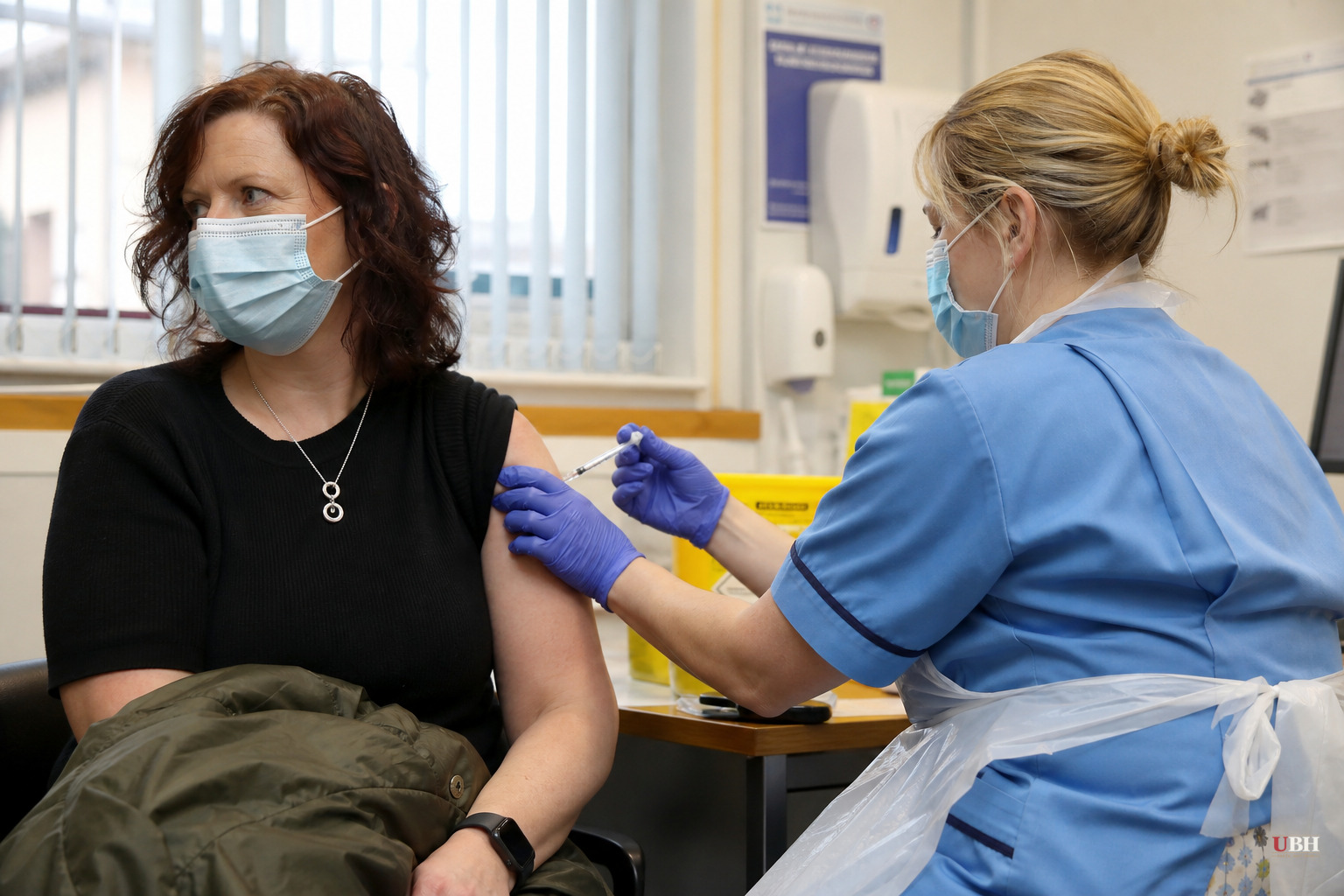
A deaf patient identified only as Samantha showed up at her GP surgery in Northamptonshire for a flu jab. She left with a Covid vaccine instead.
According to the BBC, Samantha had booked her flu and Covid vaccinations for separate weeks. When she arrived, she showed the nurse a note on her phone stating she was there for the "flu jab only." The surgery gave her the Covid shot anyway.
According to the Parliamentary and Health Service Ombudsman (PHSO), the body that investigates complaints against NHS and other UK public services, staff were supposed to show Samantha a British Sign Language video that would have flagged the mix-up before it happened. They didn't. The practice told investigators it believed it had confirmed Samantha wanted the Covid vaccine, and that it had gotten consent through her grandmother. There's just one problem: the grandmother has early-stage dementia and wasn't even in the treatment room.
The PHSO ordered the surgery to apologize and pay Samantha £450. The practice has since signed a contract with a sign language interpreting company. NHS Northamptonshire Integrated Care Board said it was "very sorry" and that it expects practices to make "reasonable adjustments to support effective communication."
Samantha told the BBC the experience had a "profound impact" on her.
Not an isolated incident
The PHSO's report goes further than one bad appointment. It says disabled people across the UK are routinely locked out of vital information about their healthcare, finances, and jobs because basic accessible formats, large print, audio materials, and sign language interpretation simply aren't provided.
Since April 2020, the ombudsman says it has concluded 623 investigations tied to failures to make reasonable adjustments. Of those, 496 were upheld or partly upheld. That's a 79% hit rate on complaints serious enough to reach a formal investigation.
The report also details the case of Alan Graham, a deaf man being treated for cancer at University Hospitals Birmingham NHS Trust. When no interpreter was available, staff asked his teenage grandson to interpret a conversation telling Graham's deaf daughter that her father might die. That's a failure to provide professional interpretation when telling someone their parent may be terminal.
The trust apologized after the ombudsman's investigation and said "we did not get things right." It says it has since strengthened staff awareness and accessibility procedures.
Why family members interpreting is a real problem, not a technicality
Family members and friends are explicitly disqualified as interpreters under the Americans with Disabilities Act framework because they're untrained, potentially biased, and often lack the sign language fluency medical settings require, according to guidance published by the Medical Group Management Association (MGMA). The UK has its own legal duties under equality law that function the same way.
The MGMA guidance also notes that most profoundly deaf patients read English at roughly a third-grade level on average, because English functions as a second language behind sign language. That's not an intelligence issue. It means a handwritten note or a rushed verbal explanation is genuinely inadequate for informed medical consent, not just an inconvenience.
Samantha's case makes more sense when these facts align. A phone note saying "flu jab only" should have been enough. It wasn't, because the surgery skipped the actual accessible communication tool, the BSL video, that existed specifically to prevent this outcome.
The Department of Health's response
The Department of Health and Social Care called the cases "deeply upsetting" and said they were "completely unacceptable," adding that NHS and social care organizations have a legal duty to make services accessible. That is a correct statement of the law. Whether it translates into fewer incidents is a separate question, given the ombudsman is still upholding hundreds of these complaints five years into tracking them.
What happens next
The Northamptonshire practice has now contracted with an interpreting service, and University Hospitals Birmingham says it has updated its protocols. Neither fix answers the harder question the PHSO report raises: how many similar mix-ups happen at practices that never get reported to the ombudsman at all. With 496 upheld cases already on record and no indication the underlying accessibility gaps have closed, that number isn't going to zero on its own.
Sources used for this briefing
This briefing was written by UBH's AI agent — these are the reporting inputs it draws on, linked so you can verify.


