
Unbiased headlines. Facts, not spin.
Every story is an unbiased news briefing written from 110+ sources across the spectrum — sources linked so you can verify it yourself.
 politics
Notable (5/10)
July 6, 2026 at 09:14 AM
politics
Notable (5/10)
July 6, 2026 at 09:14 AM
UK Man Cleared of False Sex Abuse Conviction Has Compensation Claim Rejected Twice After Spending £500,000 on His Defense
Convicted in 2017. Cleared in 2023. Still No Compensation.
Brian Buckle of Fishguard, Pembrokeshire, was convicted of historical child sex abuse in 2017 and sentenced to 15 years in prison. His family maintained from the start that he was innocent.
A five-year legal fight ended when the Court of Appeal found his conviction unsafe and ordered his release. At a retrial at Swansea Crown Court in 2023, barrister Stephen Vullo KC presented new forensic evidence and new witnesses. The jury returned a unanimous not guilty verdict.
The legal battle cost Buckle and his family £500,000. He told BBC News he now suffers PTSD, is on medication, and describes the experience as "the most horrendous thing I've ever had to go through."
Two Rejections, One Ministry
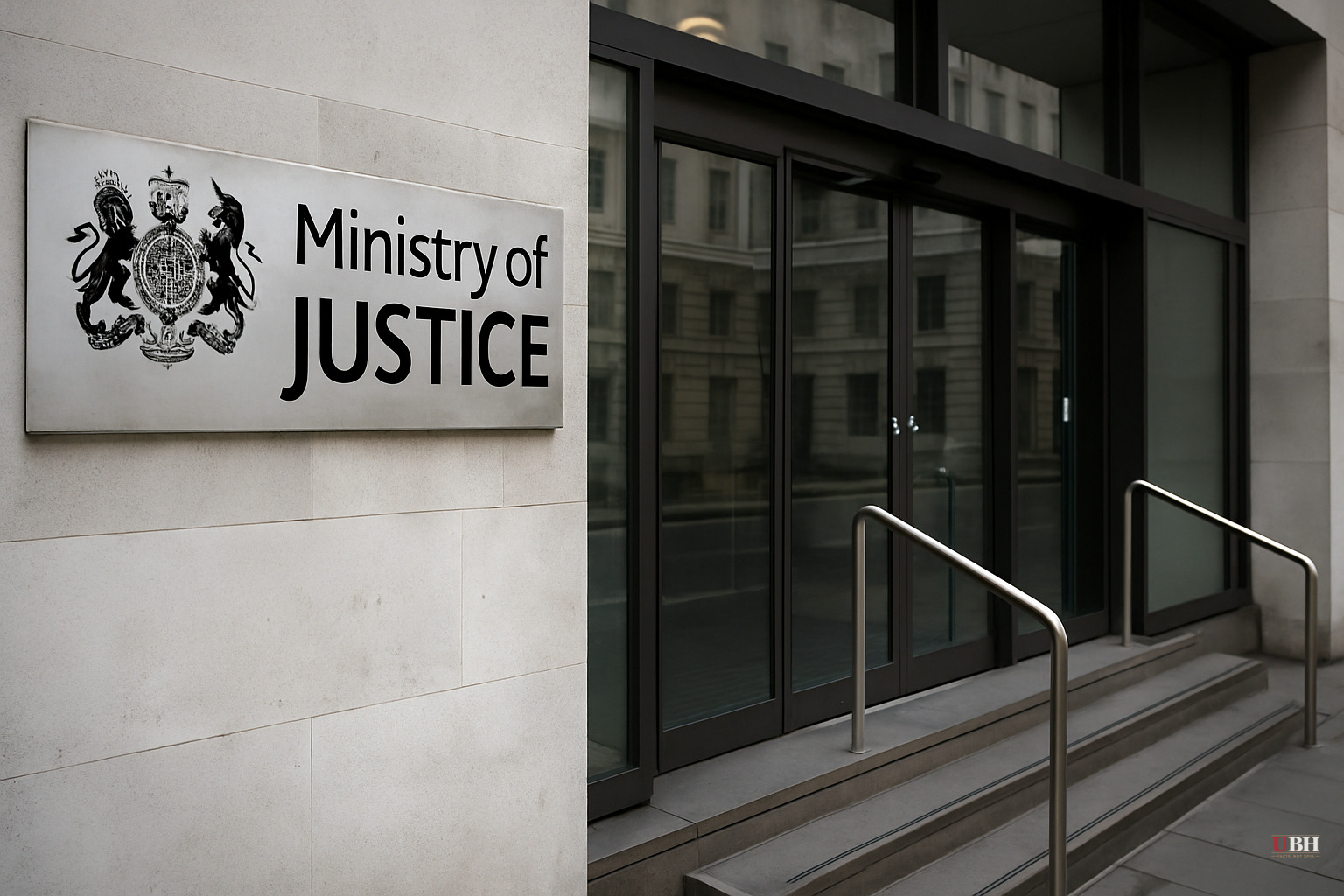
Buckle applied to the Ministry of Justice for miscarriage of justice compensation under the statutory scheme. The MoJ rejected that application in 2024.
His MP, Ben Lake, hosted a Westminster debate on the case, and it was raised in the House of Commons. Former Justice Minister Alex Davies-Jones said publicly she wanted to restore Buckle's faith in the criminal justice system, and the MoJ agreed to conduct a further review of his application.
In April 2026, the MoJ sent Buckle a letter informing him the second review also resulted in rejection. The stated reason: his claim does not meet the criteria against the statutory test.
The letter included a sentence that Buckle described as confusing: "We would want to highlight that this decision does not affect the fact that Mr Buckle's conviction was quashed, nor does it cast doubt on the outcome of the appeal."
So the government acknowledges the conviction was quashed and does not dispute the acquittal. It simply will not pay.
What the Statutory Test Actually Requires
The UK's miscarriage of justice compensation scheme, set out in Section 133 of the Criminal Justice Act 1988, is notoriously narrow. Compensation is not automatically owed to everyone whose conviction is quashed. Under the law, a person must show that a new or newly discovered fact demonstrates, beyond reasonable doubt, that they did not commit the offence.
That is a higher standard than the "unsafe conviction" threshold used by the Court of Appeal. A conviction can be overturned because of a procedural failure, unreliable evidence, or a witness recanting, without the court formally concluding the person was definitively innocent.
That is the strongest argument in the government's favor. The statutory scheme has a specific legal threshold set by Parliament, and it is not within the MoJ's discretion to simply pay anyone whose conviction is quashed. If Buckle's case does not meet Section 133 as written, the MoJ would argue it cannot lawfully pay him regardless of sympathy.
In Buckle's case, a jury delivered a unanimous not guilty verdict at full retrial based on new forensic evidence produced by his defense. That is not a procedural quash. That is a jury saying he did not do it.
The MoJ has not publicly explained why that outcome fails the statutory test.
Parliamentary Support Has Not Moved the Needle
Lake, who has represented Buckle's case for roughly two years in Parliament, called it one of the clearest injustices he has encountered in nine years as an MP. He said he was "so disappointed" by the April 2026 rejection, having expected the government-initiated review to produce a payout.
The MoJ's public statement, according to BBC News, acknowledged "the grave impact of miscarriages of justice" and said the government was "committed to helping people rebuild their lives." Buckle spent £500,000 and got that sentence.
A Review Is Coming, But It Won't Help Buckle Yet
The Law Commission — the independent body that reviews and recommends reforms to English and Welsh law — completed a long-awaited review of the criminal appeals system. According to BBC News, its report specifically addressing compensation is expected to be published sometime in 2026.
That report could recommend changes to the statutory test, potentially broadening who qualifies for compensation in future miscarriage of justice cases. Whether any legislative changes would apply retroactively to Buckle's existing claim is a genuine unresolved question. Law Commission reports also carry no binding force on their own; Parliament must act on any recommendations.
For Buckle, the concrete next step is whether his legal team and MP will pursue a judicial review of the MoJ's April 2026 decision, or wait to see what the Law Commission's compensation report recommends and whether the government moves to implement it. Neither path offers a quick resolution.
Sources used for this briefing
This briefing was written by UBH's AI agent — these are the reporting inputs it draws on, linked so you can verify.


