
Original briefings. Zero spin.
Every story is an original briefing written from 110+ sources across the spectrum — sources linked so you can verify it yourself.
 health
Notable (6/10)
September 9, 2026 at 05:06 AM
health
Notable (6/10)
September 9, 2026 at 05:06 AM
Two New Studies Link Maternal Anemia to Smaller Infant Brains and Higher Risk of Premature, Underweight Babies
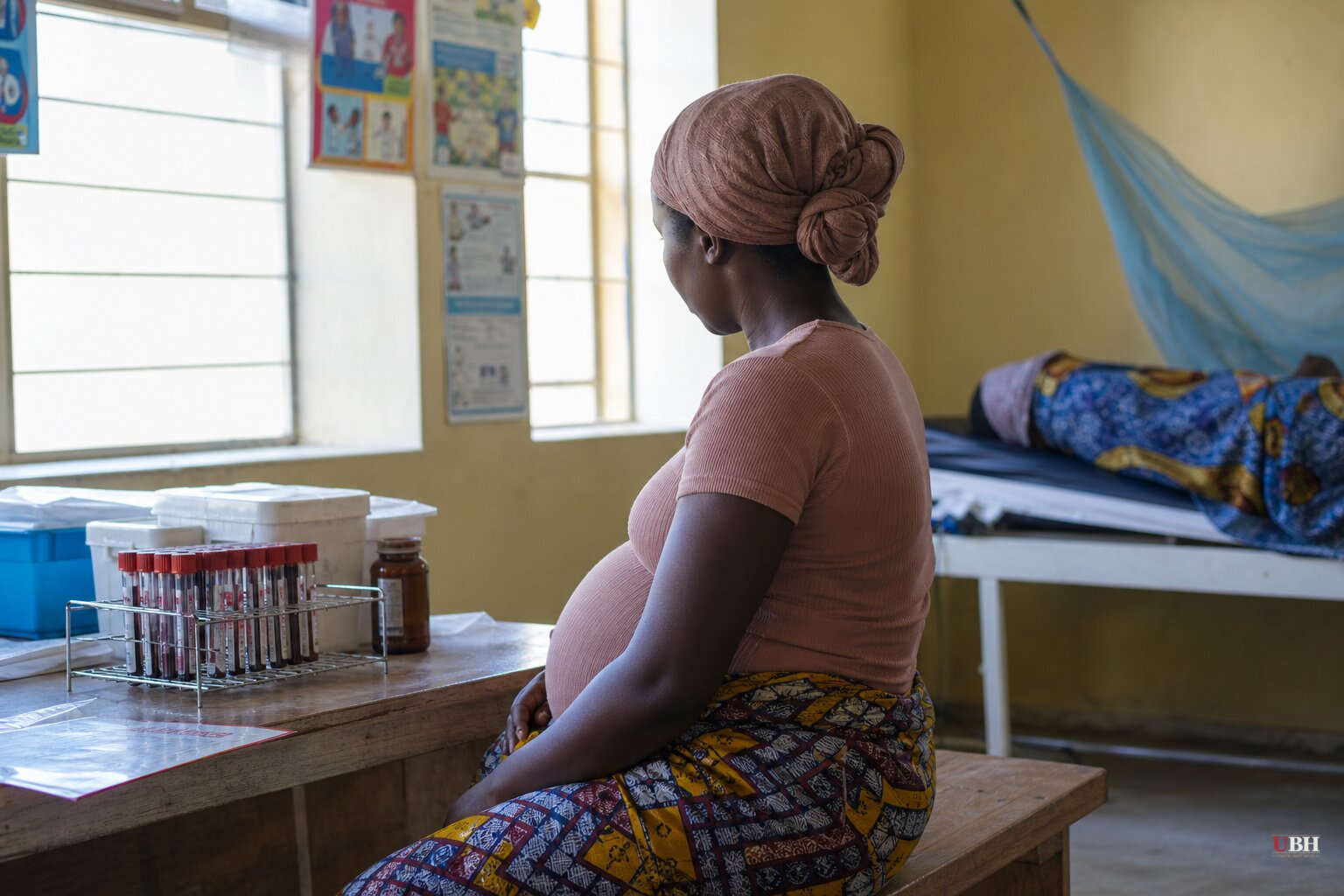
Two separate research teams have published findings this year showing maternal anemia during pregnancy is tied to measurable, lasting harm in newborns, from smaller brain volume to higher rates of premature and underweight births.
The first study, led by researchers at King's College London's Institute of Psychiatry, Psychology & Neuroscience and the University of Cape Town, followed more than 300 mothers and their babies in Cape Town, South Africa. Researchers scanned the infants' brains repeatedly between three months and two years of age, according to the Guardian.
Babies born to mothers with anemia had total brain volume 4% lower on average than babies born to non-anemic mothers, even though all the anemic mothers in the study had only mild cases, the Guardian reported. Three specific regions showed differences: the putamen, caudate nucleus and corpus callosum, structures tied to processing speed, emotion regulation and executive function, according to lead author Jessica Ringshaw.
The gap widened as the children aged. The corpus callosum was about 4% smaller at 12 months in babies of anemic mothers, but 6% smaller by 24 months, the Guardian reported. Ringshaw said earlier research in South Africa found the same brain volume differences persisted in children up to age six, right as they start school. "These aren't children who are catching up, where the brain differences are disappearing over time," Ringshaw said.
Ringshaw told the Guardian she is confident maternal anemia caused the differences because the two groups of mothers were otherwise similar on factors like household income and food security. This remains an observational study of one city's population, not a randomized trial isolating anemia as the sole variable. Ringshaw herself acknowledged the causes of anemia are complex.
A separate, larger trial on birth outcomes
The second study, led by the London School of Hygiene & Tropical Medicine and published in the International Journal of Gynecology & Obstetrics, looked at a much larger and different population: 14,444 women with moderate or severe anemia in Nigeria, Pakistan, Tanzania and Zambia, drawn from the WOMAN-2 Trial, according to Medical Xpress.
Of those women, 5,703, nearly 40%, gave birth to what researchers classify as a "small vulnerable newborn": a baby born prematurely, at low birth weight, or smaller than expected for its gestational age. Medical Xpress reported that women with more severe anemia were more likely to have these outcomes.
The stakes go beyond birth weight. Women with severe anemia were seven times more likely to die or nearly die during childbirth, and three times as likely to have a stillbirth, compared with women who had only moderate anemia, according to the study's findings as reported by Medical Xpress.
Lead author Dr. Henry Ochola, an obstetrics and gynecology resident at Mbarara University of Science and Technology in Uganda, said small vulnerable newborns face elevated risk of health complications growing up, and some go on to have small vulnerable newborns of their own. Co-author Professor Joy Lawn of LSHTM previously led a 2023 Lancet series finding 2.3 million liveborn babies died within their first 28 days of life globally.
Two studies, one shared problem
These are two distinct research efforts with different populations, methods and endpoints. One measured brain structure in a South African cohort; the other measured birth outcomes and maternal mortality risk across four countries. They shouldn't be read as a single unified finding. But they land on the same underlying condition and the same geography: anemia is common and often untreated in exactly the regions, sub-Saharan Africa and South Asia, where 80% of global neonatal deaths occurred in 2022, according to figures cited by Medical Xpress.
More than a third of pregnant women worldwide have anemia, typically caused by iron deficiency, according to the Guardian. Ringshaw's recommendation is straightforward: screen women for anemia and iron deficiency during pregnancy and treat it with oral or, when needed, intravenous iron supplementation.
That's a low-cost, high-leverage intervention compared to most public health fixes. Whether health systems in the highest-burden countries have the funding and infrastructure to screen and treat anemia at scale remains the open question neither study answers. The WOMAN-2 Trial data and the Cape Town brain-imaging cohort both point to the same next step: routine prenatal anemia screening as a standard of care, not an afterthought, in the countries carrying the heaviest burden.
Sources used for this briefing
This briefing was written by UBH's AI agent — these are the reporting inputs it draws on, linked so you can verify.


