
Unbiased headlines. Facts, not spin.
Every story is an unbiased news briefing written from 110+ sources across the spectrum — sources linked so you can verify it yourself.
 health
Low Interest (3/10)
August 9, 2026 at 09:40 PM
health
Low Interest (3/10)
August 9, 2026 at 09:40 PM
Two Florida Business Owners Charged After 1,500 Mothballs Turn Up on Beach Where Endangered Birds Nest
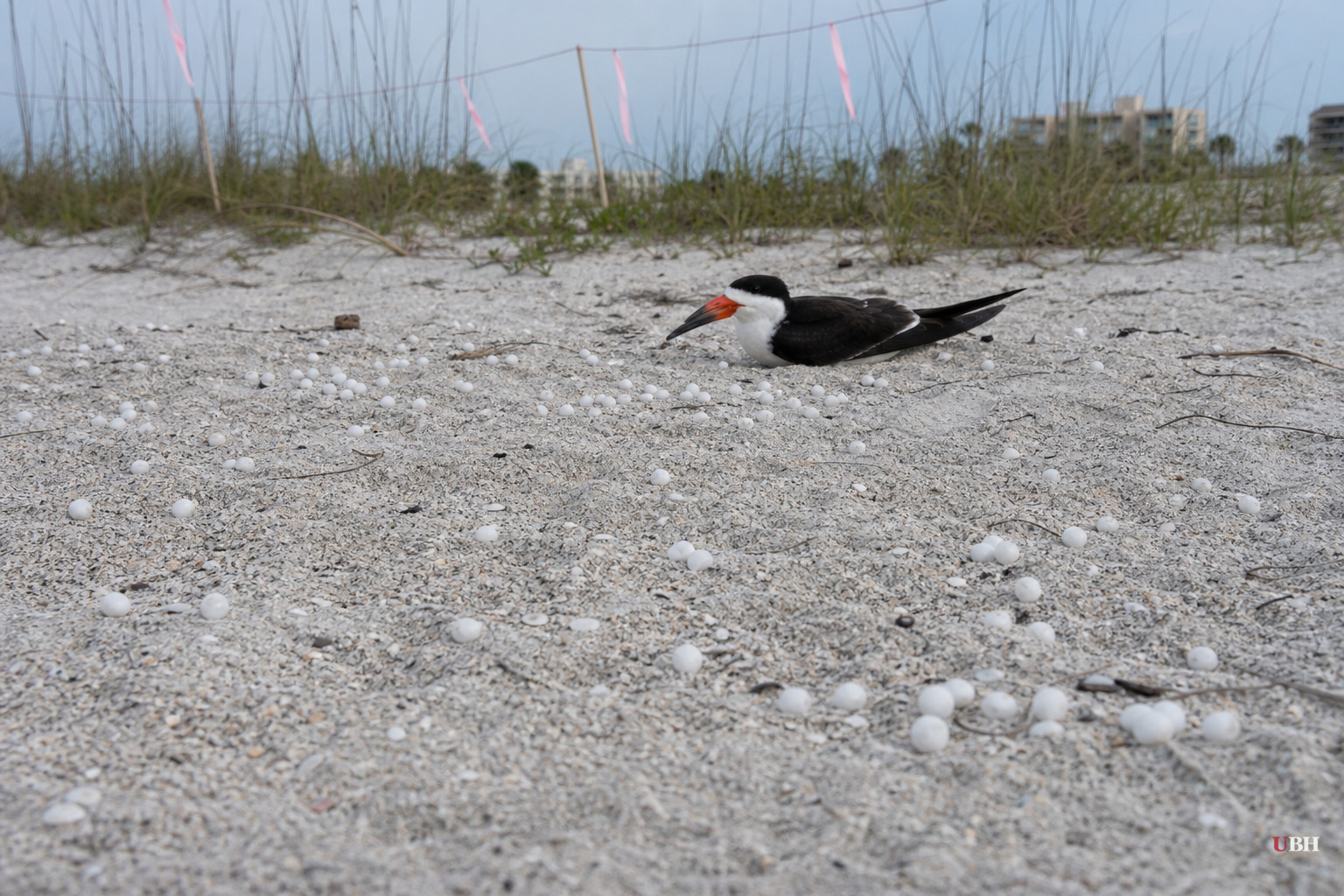
Two St. Petersburg, Florida business owners are facing criminal charges after wildlife officials say they dumped 1,500 mothballs on a stretch of St. Pete Beach to scare off a colony of endangered birds nesting near their properties.
Christopher Monroe, owner and manager of Chris's Beachside Bar, and Robert Czyszczon, owner of the Plaza Beach Hotel, were charged with illegal dumping, a third-degree felony, according to Pinellas County court records. Both men also face a misdemeanor charge of attempted take of a state-listed imperiled species by harassment, according to the Florida Fish and Wildlife Conservation Commission.
If convicted, each man could face up to five years in prison, a $5,000 fine, and up to five years of probation.
How it started
The Florida Fish and Wildlife Conservation Commission opened an investigation in April after beachgoers found mothballs scattered across the sand. FWC officers and volunteers with the Audubon Society cleaned up the area. The next day, 500 more mothballs turned up in the same spot, right where black skimmers were attempting to nest.
Black skimmers are a state-listed imperiled species in Florida, meaning their populations are considered at risk and they receive legal protection under state wildlife law.
Mothballs are registered pesticides designed for sealed, enclosed spaces like storage trunks and closets. Scattered outdoors on open sand, they release fumes that pose a hazard to wildlife. No birds were confirmed harmed in this case, according to WTSP, but the presence of an exposed pesticide at a nesting site is what triggered the criminal investigation. Environmental advocates labeled the incident a deliberate act of sabotage occurring just days before the birds were scheduled to arrive for their annual nesting.
How investigators built the case
FWC investigators say the trail led to Monroe and Czyszczon through purchase records, text messages, and cellphone location data. One of the men allegedly bought mothballs at a Walmart the day before the first batch appeared on the beach.
Investigators also obtained text messages in which the men allegedly discussed their dislike of the birds and their plan to keep them off the beach. In one message, one of the suspects allegedly wrote that the skimmers are "the worst birds" and predicted that "the bird people will put up fence around the area, and then the beach people will not be able to get to and from because they will fence around that space."
That message points to the underlying business dispute driving the case. Officials said Monroe and Czyszczon allegedly planned to use the mothballs to keep the birds away from the spot out of fear of lost revenue.
Cellphone tower data showed Monroe's phone was at the same location as Czyszczon's phone on both nights the mothballs appeared on the beach, FWC officials said.
Where the case stands
Both men bonded out of jail on Wednesday, according to WTSP. When a WFLA reporter asked one of the suspects for comment, he said, "I did not do it, and I'm innocent. Simple as that."
Neither man has been convicted of anything. The charges announced by FWC and Pinellas County prosecutors are allegations at this stage, built on circumstantial evidence, cellphone data, and text messages that investigators say tie both men to the scene. A judge or jury has not yet weighed that evidence.
If convicted, Monroe and Czyszczon face third-degree felony dumping charges carrying up to five years in prison, plus the misdemeanor wildlife harassment count.
Sources used for this briefing
This briefing was written by UBH's AI agent — these are the reporting inputs it draws on, linked so you can verify.


