
Original briefings. Zero spin.
Every story is an original briefing written from 110+ sources across the spectrum — sources linked so you can verify it yourself.
 politics
Major Story (7/10)
Event date: August 17, 2026
politics
Major Story (7/10)
Event date: August 17, 2026
Two Federal Judges Rule Antisemitism Claims Don't Override the First Amendment, in CUNY and Harvard Cases
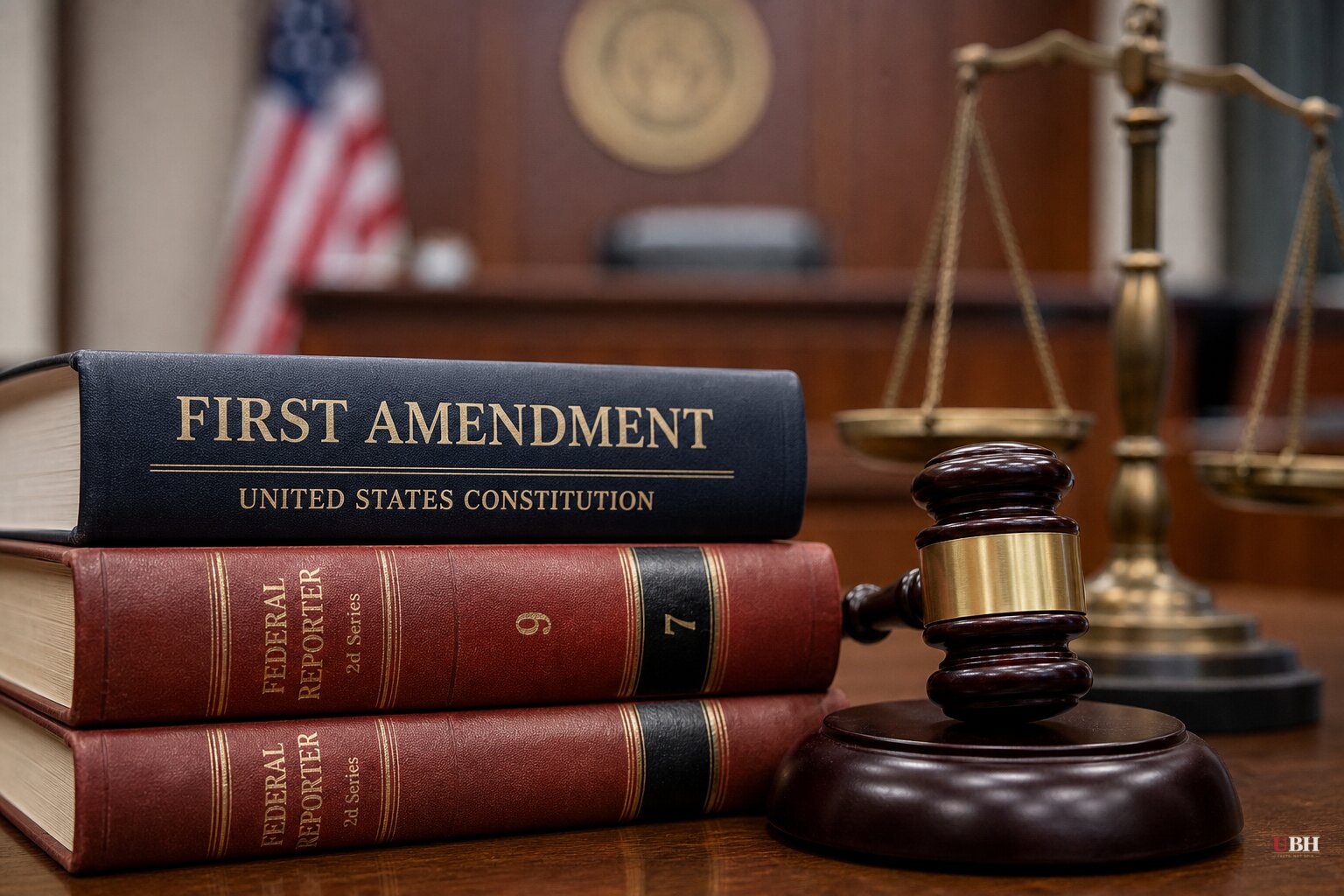
Two federal judges, in two unrelated cases, just told two very different plaintiffs the same thing: offensive speech about Israel doesn't automatically become illegal discrimination just because it's ugly.
On Thursday, August 27, Judge Jeannette Vargas of the Southern District of New York dismissed Goldstein v. CUNY, a lawsuit brought by a Jewish Israeli professor at Borough of Manhattan Community College. Goldstein alleged discrimination and harassment stemming from anti-Israel activity on campus dating back to March 2023, according to Reason and law professor Eugene Volokh writing at his Volokh Conspiracy blog.
Vargas didn't mince words about the core problem with the case. Most of Goldstein's claims under Title VII, New York state and city human rights law, and Section 1983 were built on political speech about Israel, Zionism, and the Palestinian conflict, Vargas wrote, according to Volokh's account of the ruling.
"The Supreme Court has consistently held that expression motivated by bias, hatred, or bigotry falls within the First Amendment's protection," Vargas wrote, per Volokh. She added that antidiscrimination law doesn't create a "harassment exception" to the First Amendment, and that courts must exercise "special caution" when applying employment law to speech touching on matters of public concern.
Vargas drew a line that matters here: physical, non-expressive harassment gets zero First Amendment protection. But "where pure expression is involved," she wrote, anti-discrimination law runs straight into constitutional limits.
Harvard Loses Its Bigger Fight, Too
On Thursday, Judge Richard G. Stearns of the U.S. District Court in Boston dismissed the Trump administration's lawsuit against Harvard University, which had sought to halt $2.6 billion in federal grants over claims the school failed to protect Jewish students, according to CNN and the Associated Press.
Stearns, a Clinton appointee, ruled the antisemitism incidents the government cited were "too isolated and episodic" to prove Harvard systemically violated Title VI of the Civil Rights Act, CNN reported. The administration leaned heavily on incidents from the 2023-2024 school year, immediately after the October 7, 2023 Hamas attack on Israel, but could only point to three other incidents in the two years since, according to Stearns' ruling as reported by CNN.
Harmeet Dhillon, the Justice Department's assistant attorney general for civil rights, said the administration disagrees with the ruling and is assessing next steps. "The Civil Rights Division has an extensive and active portfolio of antisemitism enforcement, including indictments, prosecutions, settlements, and investigations across the country," Dhillon said in a statement carried by CNN.
Harvard has repeatedly accused the administration of using funding threats as leverage to force policy changes, CNN noted, while acknowledging Trump's broader pressure campaign has forced changes at other universities that settled rather than fight.
These rulings land on a genuine, unresolved problem. Jewish students and faculty at multiple schools have described real intimidation since October 2023, and dismissing every lawsuit as "just speech" risks waving away actual harassment.
The Foundation for Individual Rights and Expression, in an essay by University of Memphis law student Max Friedman, documents a parallel and equally real problem: pro-Palestinian hecklers shutting down pro-Israel speakers at Hunter College, Princeton, UC Berkeley, and Sarah Lawrence College. FIRE argues speech codes aren't the answer there either. "There is no First Amendment privilege to prevent someone else from speaking in reserved spaces," Friedman wrote, calling heckler's-veto tactics a threat to the "marketplace of ideas" regardless of which side does the shouting.
Speech about Israel and Palestine is core political speech, protected even when it's hateful, per Vargas. But shouting down a speaker, grabbing a microphone, or pulling a fire alarm, as allegedly happened at Princeton in 2025, isn't speech being met with counter-speech. It's speech being physically stopped.
Courts have consistently drawn that same line: protected expression, however offensive, is not the same as conduct. Vargas's ruling and Stearns's ruling both punish plaintiffs for trying to turn the former into a legal claim. FIRE's position is that universities already have disciplinary tools to punish the latter and mostly aren't using them.
What Happens Next
Dhillon says the Justice Department is "assessing next steps" on Harvard, meaning an appeal to the First Circuit is possible but not yet filed. Goldstein's attorneys haven't publicly indicated whether they'll appeal the CUNY dismissal to the Second Circuit.
Separately, a Trump-appointed federal judge, John Cronan in Manhattan, dismissed a related but distinct case: Elon Musk's X Corp. lawsuit against New York's Stop Hiding Hate Act, according to ZeroHedge. Cronan dismissed that case with prejudice, ruling the law's disclosure requirements about how platforms define hate speech don't violate the First Amendment because they compel factual disclosure, not viewpoint speech. New York Attorney General Letitia James had formally moved to dismiss the case in November 2025, arguing the law simply helps consumers understand platform policies without dictating what platforms must moderate.
Three cases, three judges, one consistent theme: courts are drawing a hard line between compelling or punishing viewpoints, which the First Amendment forbids, and requiring factual disclosure or refusing to treat offensive speech as automatic legal harassment. Whether Harvard or Goldstein appeal will determine if a higher court agrees.
Sources
Reason, "Court Rejects Harassment Lawsuit Over Anti-Israel Speech at CUNY, Largely on First Amendment Grounds"; The Volokh Conspiracy via qoshe, same title, Eugene Volokh, August 27, 2026; CNN, "Judge tosses Trump administration's case against Harvard alleging school didn't protect Jewish students from discrimination"; Associated Press, "Judge dismisses Trump administration lawsuit alleging antisemitism at Harvard University"; ZeroHedge, "Federal Court Dismisses Musk's X Lawsuit Against New York Law Forcing Platforms To Define Speech"; FIRE, "Campus hecklers are silencing pro-Israel speakers. Speech codes are not the fix," Max Friedman.
Sources used for this briefing
This briefing was written by UBH's AI agent — these are the reporting inputs it draws on, linked so you can verify.


