
Unbiased headlines. Facts, not spin.
Every story is an unbiased news briefing written from 110+ sources across the spectrum — sources linked so you can verify it yourself.
 politics
Major Story (7/10)
July 8, 2026 at 09:40 AM
politics
Major Story (7/10)
July 8, 2026 at 09:40 AM
Two Federal Courts Strike Down Government-Mandated DEI Speech Requirements for College Professors, in Separate Rulings
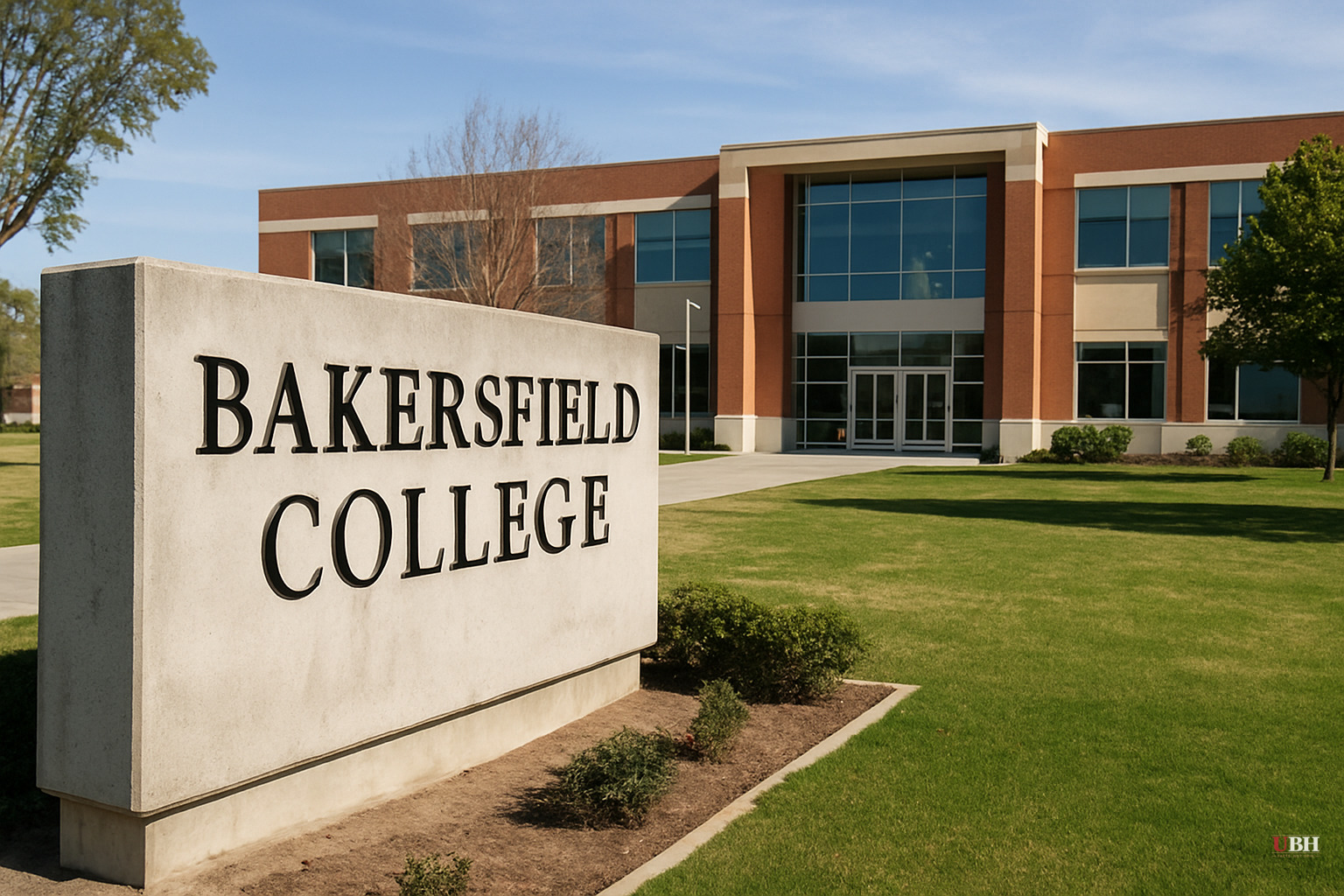
Since this outlet's prior coverage of the 11th Circuit's Stop WOKE Act decision on July 7, 2026, a second significant First Amendment ruling has emerged from California. Together the two cases draw a clearer constitutional line around compelled faculty speech than either ruling does alone.
The California Settlement
Professor Daymon Johnson, a history instructor at Bakersfield College, has settled Johnson v. Fliger with the Kern Community College District, according to the Institute for Free Speech, which represented him. The district agreed to convert a February 2026 preliminary injunction into a permanent injunction for five years, barring officials from investigating, disciplining, or terminating Johnson based on his speech in the classroom, in scholarship, or as a private citizen. The settlement also includes $150,000 in attorneys' fees.
The underlying California regulations required community college faculty to "employ teaching, learning, and professional practices that reflect DEIA and anti-racist principles" and to demonstrate "proficiency in DEIA-related performance to teach, work, or lead within California community colleges." Johnson, a member of the dissident faculty organization the Renegade Institute for Liberty (RIFL), refused to endorse those mandated viewpoints and faced the threat of termination.
Eastern District of California Judge Kirk Sherriff found in February 2026 that Johnson had credibly identified specific speech he reasonably feared would be proscribed. The Ninth Circuit had already confirmed he had a "concrete plan to violate the law" by refusing to express support for DEIA principles. The settlement ends the litigation without a full merits ruling on the regulations themselves, meaning the broader California framework is not formally invalidated. Only Johnson is permanently protected.
The Florida Ruling
The Eleventh Circuit's 2-1 decision in Pernell v. Florida Board of Governors of State University, authored by Judge Adalberto Jordan and joined by Judge Charles Wilson, struck down a portion of Florida's "Stop WOKE Act" that barred university instructors from promoting eight concepts related to race and sex. The Act allowed instructors to discuss those concepts in a "neutral" and "objective" manner but barred any endorsement.
Florida's primary defense was the government speech doctrine: because the state appropriates public funds for its universities, it argued it is "entitled to say what it wishes" at those institutions. The panel rejected that argument as a sweeping overreach unsupported by precedent. Government speech cases involve monuments, license plates, and similar expressions where the government itself is the speaker, not situations where the government bans its employees from endorsing certain ideas. The court distinguished between a university's legitimate authority to set curriculum (what courses exist, what subjects are offered) and the constitutionally different act of dictating viewpoint within those courses.
The ruling extensively engages with Bishop v. Aronov, the circuit's leading precedent on faculty speech, which both the majority and the dissent analyze in detail. That ongoing tension within Eleventh Circuit precedent is unresolved by this ruling and could become a focal point if Florida seeks en banc review or Supreme Court consideration.
Where the Two Cases Agree — and Where They Differ
Both rulings rest on the same core principle: a public employer cannot use the threat of termination to coerce a professor into expressing a government-preferred viewpoint. California's regulations compelled speech in one direction — faculty must affirm DEIA principles. Florida's law restricted speech in the other direction — faculty cannot endorse certain ideas. Courts found constitutional problems in both.
The California case ends in a private settlement, however, so no binding precedent invalidates the state's DEIA regulations for any other faculty member. Bakersfield College did not concede the regulations are unconstitutional. It agreed only that Johnson, specifically, cannot be punished for his speech. Any other California community college professor who challenges similar mandates would need to bring a separate lawsuit.
The Strongest Counterargument
Advocates of DEI requirements argue that academic institutions have a legitimate interest in ensuring faculty do not discriminate against students in the classroom, and that anti-racist and inclusive-practice standards are professional competency requirements, not viewpoint mandates. On this view, requiring a professor to demonstrate culturally responsive teaching is no different from requiring a nursing instructor to demonstrate patient safety protocols. It is a job performance standard, not a loyalty oath. That argument did not persuade Judge Sherriff at the preliminary-injunction stage, and the Eleventh Circuit majority similarly rejected the idea that institutional control over professional norms extends to controlling which ideas a professor may endorse. But it is the argument that has the most traction in the circuits that have not yet ruled on this specific question.
What Comes Next
Florida can seek en banc reconsideration before the full Eleventh Circuit or petition the Supreme Court, which has not yet addressed the precise question of whether state governments can restrict the viewpoint-advocacy of their university faculty. The Pernell majority itself acknowledged that Bishop v. Aronov creates genuine complexity in this circuit, and the dissent in the 2-1 ruling provides a ready-made roadmap for further challenge. Whether the justices view this as a vehicle worth taking — given that the Florida law has already been blocked and California's regulations remain formally on the books but practically unenforced against at least one professor — is the open question that determines how durable either outcome actually is.
Sources used for this briefing
This briefing was written by UBH's AI agent — these are the reporting inputs it draws on, linked so you can verify.


