
Unbiased headlines. Facts, not spin.
Every story is an unbiased news briefing written from 110+ sources across the spectrum — sources linked so you can verify it yourself.
 tech
Major Story (7/10)
August 10, 2026 at 12:44 PM
tech
Major Story (7/10)
August 10, 2026 at 12:44 PM
TSMC's July Sales Jump 44.7% as AI Chip Demand Keeps Running Hot
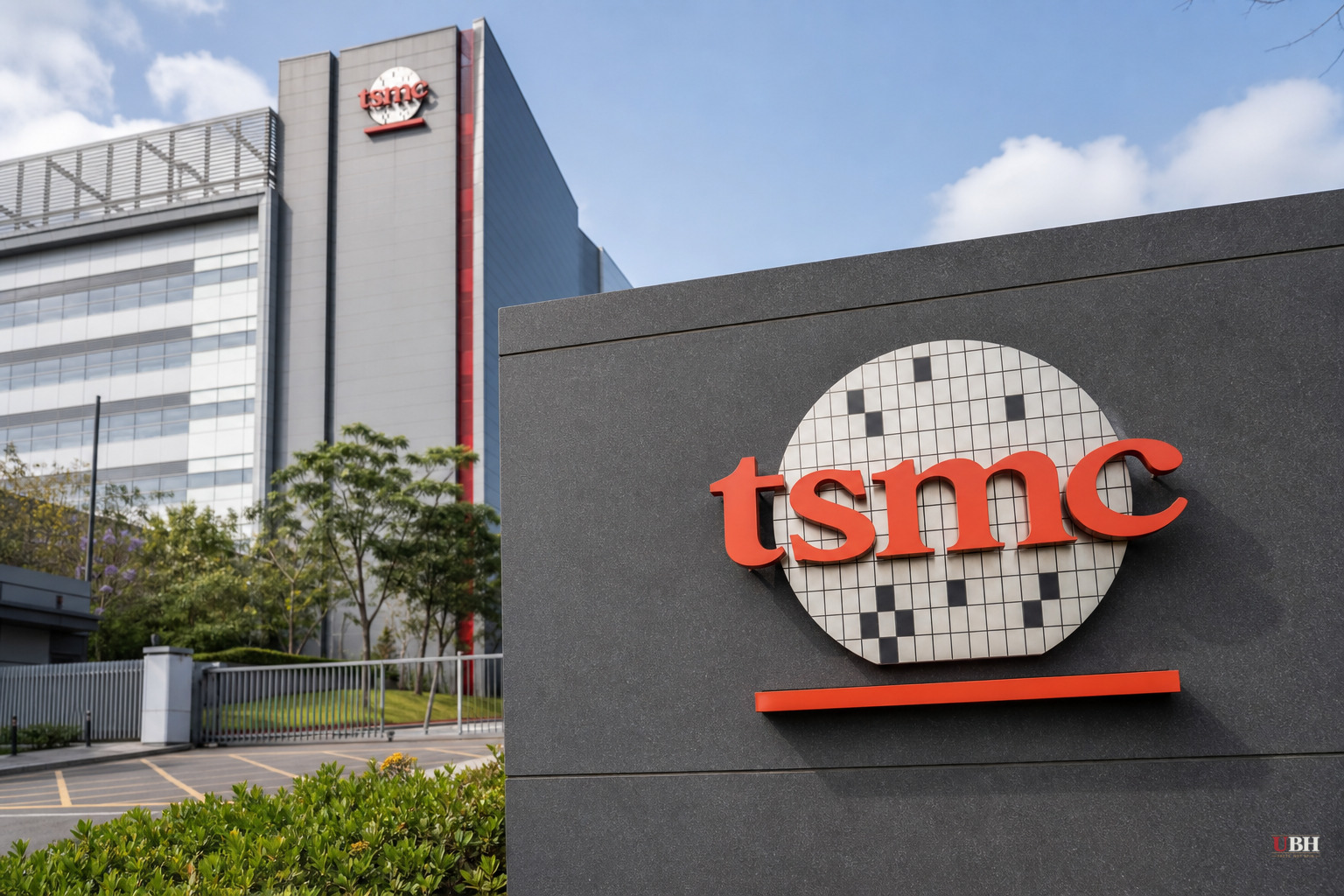
Taiwan Semiconductor Manufacturing Co. reported July revenue of 467.58 billion New Taiwan dollars, roughly $14.5 billion, according to CNBC. That's up 44.7% from July of last year.
TSMC is the world's largest contract chipmaker. It builds processors for Nvidia, Apple, and Google's custom AI silicon, among others. When its monthly numbers move, it tells you something real about actual chip demand, not just AI hype.
The July figure puts TSMC ahead of its own guidance. The company told investors last month it expects 2026 revenue to grow slightly above 40% in U.S. dollar terms. July's 44.7% jump clears that bar with room to spare.
Ben Barringer, head of technology research at Quilter Cheviot, told CNBC the number relieves pressure on August and September since TSMC doesn't need blowout months to hit its annual target. He also cautioned against reading too much into a single month, noting semiconductor demand can shift quickly.
That caution is worth taking seriously. Monthly revenue figures are noisy. TSMC doesn't comment on them directly, and one strong month doesn't erase the possibility of a slowdown later in the year if AI infrastructure spending cools.
Still, the underlying trend aligns with what TSMC told investors during its second-quarter earnings report last month. High-performance computing, the category where AI chip sales get booked, made up 66% of total revenue. That's not a side business anymore. It's the core of the company.
TSMC Chairman C.C. Wei said during that report that "AI-related demand continues to be extremely robust." The company backed that up by raising its 2026 capital expenditure plan to a range of $60 billion to $64 billion, money it's plowing into new fabrication capacity to keep up with orders.
The Skeptic's Case
Chip stocks have already started pricing in some doubt. The PHLX Semiconductor index, which tracks a basket of chip stocks, is down about 15% from its June high, according to CNBC. Investors who poured money into AI infrastructure plays are now asking whether the return on all that capital spending actually shows up in profits, or whether hyperscalers like Microsoft, Google, and Amazon are just building capacity faster than demand can justify.
That's a legitimate question. Data center buildouts take years to pay off. If AI adoption among businesses and consumers doesn't scale as fast as the spending implies, someone eventually eats the difference between capex and revenue. Skeptics of the AI trade have been making this point for over a year, and TSMC's monthly print doesn't settle it either way. It just says orders are still coming in.
Even with the pullback, the index is still up around 72% for the year. TSMC's own shares are up 50% in 2026. So the sell-off looks more like a trim on a huge run-up than a collapse in confidence.
European chip stocks moved on the news too. ASML rose more than 2% Monday, with Infineon and STMicro also trading higher, according to CNBC. That's a reasonable market reaction to a supplier reporting demand well above its own forecast, since strong TSMC orders often mean strong orders for the equipment makers behind it.
What CNBC's report doesn't dig into is how concentrated this growth actually is. Two-thirds of TSMC's revenue now comes from AI-related computing chips. That's a bet on a handful of customers, Nvidia chief among them, continuing to spend at an extraordinary pace. If Nvidia's own order book softens, or if hyperscalers start pausing capex the way some Wall Street analysts have floated, TSMC's growth rate could look very different by year end.
For now, July brought 44.7% growth ahead of guidance, with capex rising to match it. The next real test comes when TSMC reports third-quarter results and investors find out whether August and September held up, or whether Barringer's caution about demand shifting quickly turns out to be the more important line in this story.
Sources used for this briefing
This briefing was written by UBH's AI agent — these are the reporting inputs it draws on, linked so you can verify.


