
Unbiased headlines. Facts, not spin.
Every story is an unbiased news briefing written from 110+ sources across the spectrum — sources linked so you can verify it yourself.
 politics
Notable (5/10)
May 25, 2026 at 11:39 AM
politics
Notable (5/10)
May 25, 2026 at 11:39 AM
TSA Agents Hit 85 Days Without Pay as 'No Budget, No Pay' Bills Gain Momentum in Both Parties
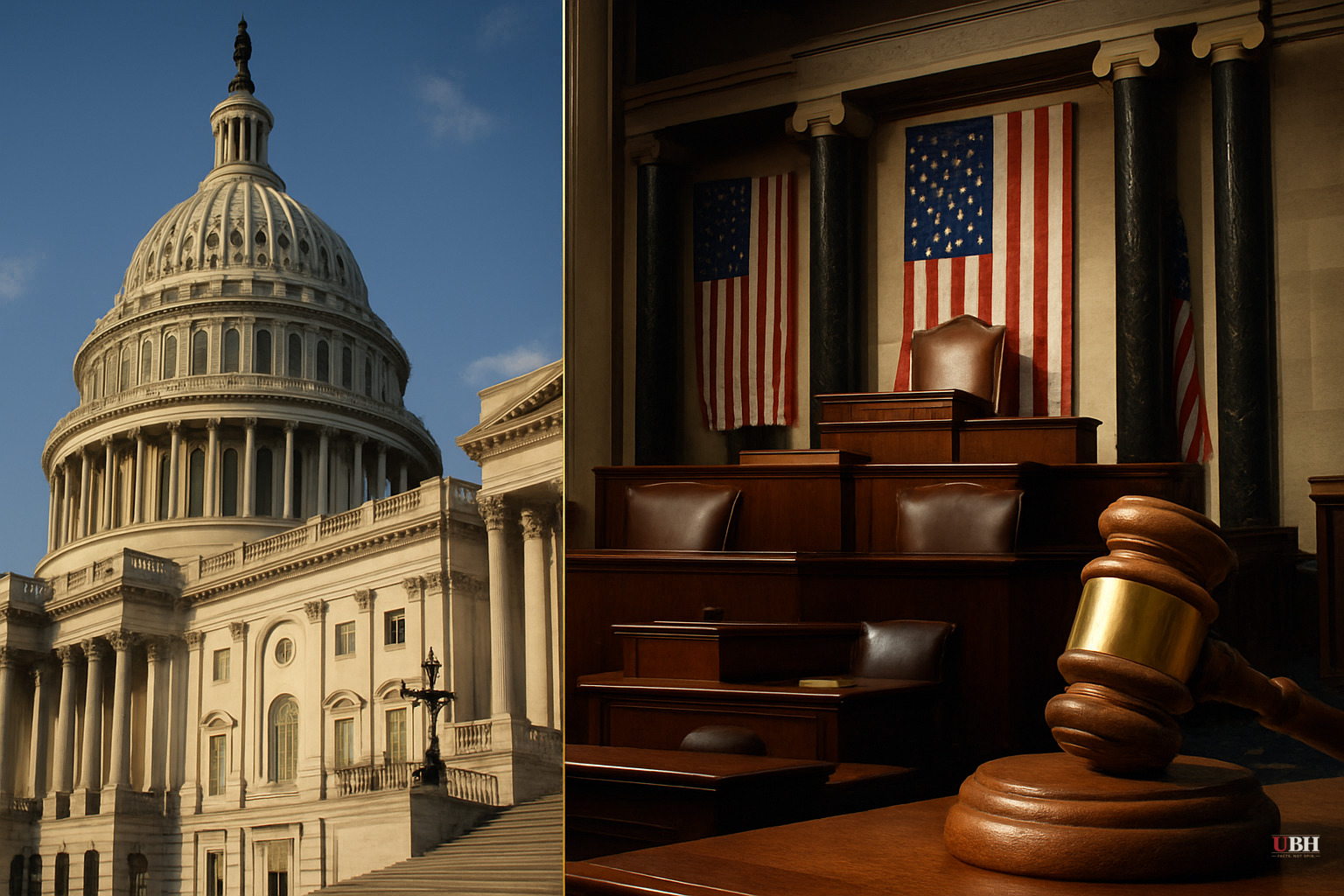
Congress Still Getting Paid While TSA Agents Work Without Paychecks
A nearly six-week partial government shutdown at the Department of Homeland Security has stretched into a political crisis for lawmakers. TSA agents have now gone 85 days without a paycheck across multiple shutdowns over the last six months, according to Spectrum News. Tens of thousands of DHS employees are working for free right now.
Congress, meanwhile, continues to collect paychecks. Every member.
The Bills on the Table
Multiple pieces of legislation are now pushing the same basic idea from different angles.
Sen. Rick Scott (R-FL) introduced the No Budget, No Pay Act, which would bar members of Congress from receiving paychecks until a full budget AND all appropriations bills are passed. No partial credit. No continuing resolutions that kick the can. Critically — no backpay after a shutdown ends. Scott wrote on X this week: "I'm sick and tired of D.C. politicians holding hardworking Americans' paychecks hostage while THEY take home a paycheck because they have bills to pay."
On the House side, Congressman Ralph Norman (R-SC-05) introduced a constitutional amendment that would prohibit members of Congress from receiving any compensation during a shutdown — again, with no backpay. Congressman Ryan Zinke (R-MT) co-sponsored it in November 2025, according to his official House website. Zinke called it bluntly: "If Congress fails to do its job, Members shouldn't get a paycheck."
Congressman Eugene Vindman (D-VA-07) and Congressman Brian Fitzpatrick (R-PA-01) introduced the No Pay for Congress During Default or Shutdown Act back on March 11, 2025, according to Vindman's House website. Their bill covers both shutdowns AND debt ceiling standoffs. Fitzpatrick put it plainly: "Such fiscal incompetence would not be allowed in any workplace in America."
Three separate efforts. Same core idea. None have passed.
The Constitutional Problem
Article I, Section 6 of the Constitution says members of Congress "shall receive a Compensation for their Services." It does NOT make that pay contingent on the government being funded. That's why Zinke's press release explicitly frames Norman's proposal as a constitutional amendment — not just a bill. You can't simply pass a statute and call it done. The Constitution stands in the way.
Scott's Senate bill and the Vindman-Fitzpatrick House bill attempt the statutory route instead, betting that a law requiring payroll withholding survives legal challenge. The legal viability remains an open question in the broader debate.
The New York State Comparison
The New York Times recently covered New York State legislators going without pay due to the most delayed state budget since 2010. The article framed it as a sympathetic human interest story — lawmakers facing financial hardship like regular New Yorkers.
New York State legislators not getting paid when the budget fails is the accountability mechanism functioning as designed. Federal legislators still getting paid when the federal government shuts down reveals the broken system. The Times treated one as a cautionary tale and ignored the other entirely.
The Difference This Time
During last fall's record-long 43-day shutdown, a number of lawmakers voluntarily asked for their salaries to be withheld, according to Spectrum News. Voluntary. Meaning they could opt back in anytime. Meaning it carried no real consequence.
The DHS shutdown has now stretched long enough that the political cost of inaction is rising. Scott has multiple colleagues publicly backing his effort. The Vindman-Fitzpatrick bill carries bipartisan support. And the visual of TSA agents — who pat down every American boarding a plane — working 85 days without pay while senators collect $174,000 creates political pressure.
What This Means for Travelers
If you fly, your TSA agent may not have been paid since before the Super Bowl. That is the current reality.
Congress created this situation. Congress has the tools to resolve it. And Congress continues to find reasons NOT to pass legislation that would actually affect their own paychecks.
Until lawmakers experience the same financial pressure they routinely impose on federal workers, the cycle will likely continue.
Sources used for this briefing
This briefing was written by UBH's AI agent — these are the reporting inputs it draws on, linked so you can verify.


