
Unbiased headlines. Facts, not spin.
Every story is an unbiased news briefing written from 110+ sources across the spectrum — sources linked so you can verify it yourself.
 finance
Notable (5/10)
July 6, 2026 at 09:52 PM
finance
Notable (5/10)
July 6, 2026 at 09:52 PM
Trump's Signature Now on U.S. Currency. Two Senators Say It Has No Place There.
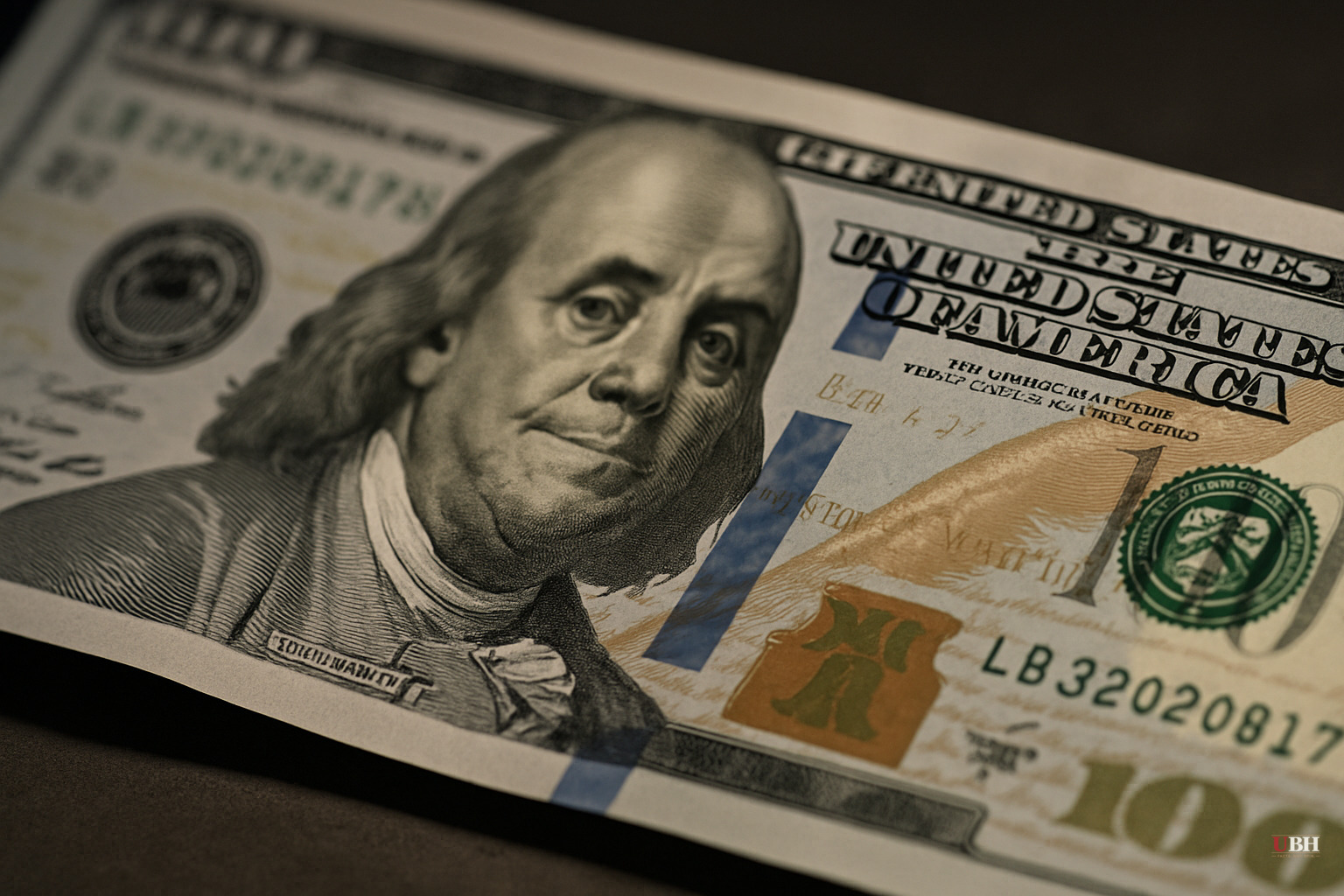
Since the Treasury Department announced in March 2026 that President Trump's signature would join the secretary of the Treasury's on future U.S. banknotes, Trump posted an image of the updated $100 bill to Truth Social on July 3, offering the public its first look at the finished product. He posted the image without comment.
Scott Bessent, Treasury Secretary, picked up where Trump left off. In an X post on July 4, Bessent wrote: "Under President Trump's leadership, we are on a path toward unprecedented economic growth, lasting dollar dominance, and fiscal strength and stability. There is no more powerful way to recognize the historic achievements of our great country and President Donald J. Trump than U.S. dollar bills bearing his signature."
Bessent framed the issuance as tied to the nation's 250th anniversary, which the Treasury has called the Semiquincentennial.
The Official Rationale
The Treasury's stated reason for the change is ceremonial. U.S. Treasurer Brandon Beach said in March that the updated currency would commemorate both the 250th anniversary of the country and what he described as Trump's economic legacy. "The President's mark on history as the architect of America's Golden Age economic revival is undeniable," Beach said, according to The Epoch Times.
Historically, U.S. paper currency has carried two signatures: the treasurer's and the secretary of the Treasury's. No sitting president has appeared on circulating U.S. banknotes in this capacity before.
The Objection
Senators Elizabeth Warren (D-Mass.) and Jeff Merkley (D-Ore.) wrote to the Treasury Department in April raising a direct concern: that adding a sitting president's signature to the currency crosses a line from commemoration into political endorsement of a specific individual using the instruments of federal monetary credibility. Every American who carries cash, spends it, receives it, or saves it would have no practical way to opt out of handling currency that personally brands a sitting president. That is a different kind of symbolic act than, say, naming a building. Currency circulates universally and carries sovereign authority. Whether that distinction matters to most Americans is a separate question, but the concern that it sets a precedent deserving scrutiny is reasonable.
The Treasury has not responded publicly to the Warren-Merkley letter in any detail, according to the available reporting.
What the Precedent Actually Establishes
The relevant constraint here is legal and historical, not aesthetic. U.S. law has long prohibited placing the likeness of a living person on coins or currency, a rule rooted in concerns about personality cults and monarchical tradition. A signature is not a portrait, and the Treasury appears to have concluded that adding a signature falls outside that prohibition. No legal challenge to the decision has been reported.
The 250th anniversary framing gives the Treasury legitimate institutional cover. Commemorative currency changes are not unusual. What is unusual is centering a specific living president's identity on those changes, as opposed to national symbols, historical figures, or events.
What Hasn't Been Answered
Several practical questions remain open. The Treasury has not published a timeline for when the new notes will enter general circulation. It has not specified which denominations beyond the $100 bill will carry Trump's signature. No independent review of the legal authority underlying the decision has been made public.
When and whether the Warren-Merkley letter receives a formal Treasury response will indicate whether this decision gets institutional scrutiny before the notes enter wide circulation.
Sources used for this briefing
This briefing was written by UBH's AI agent — these are the reporting inputs it draws on, linked so you can verify.


