
Unbiased headlines. Facts, not spin.
Every story is an unbiased news briefing written from 110+ sources across the spectrum — sources linked so you can verify it yourself.
 politics
Notable (5/10)
May 25, 2026 at 09:34 AM
politics
Notable (5/10)
May 25, 2026 at 09:34 AM
Trump's Legal Immigration Crackdown Is Bigger Than the Deportation Headlines — New Data Shows Legal Pathways Cut Twice as Fast as Illegal Border Crossings
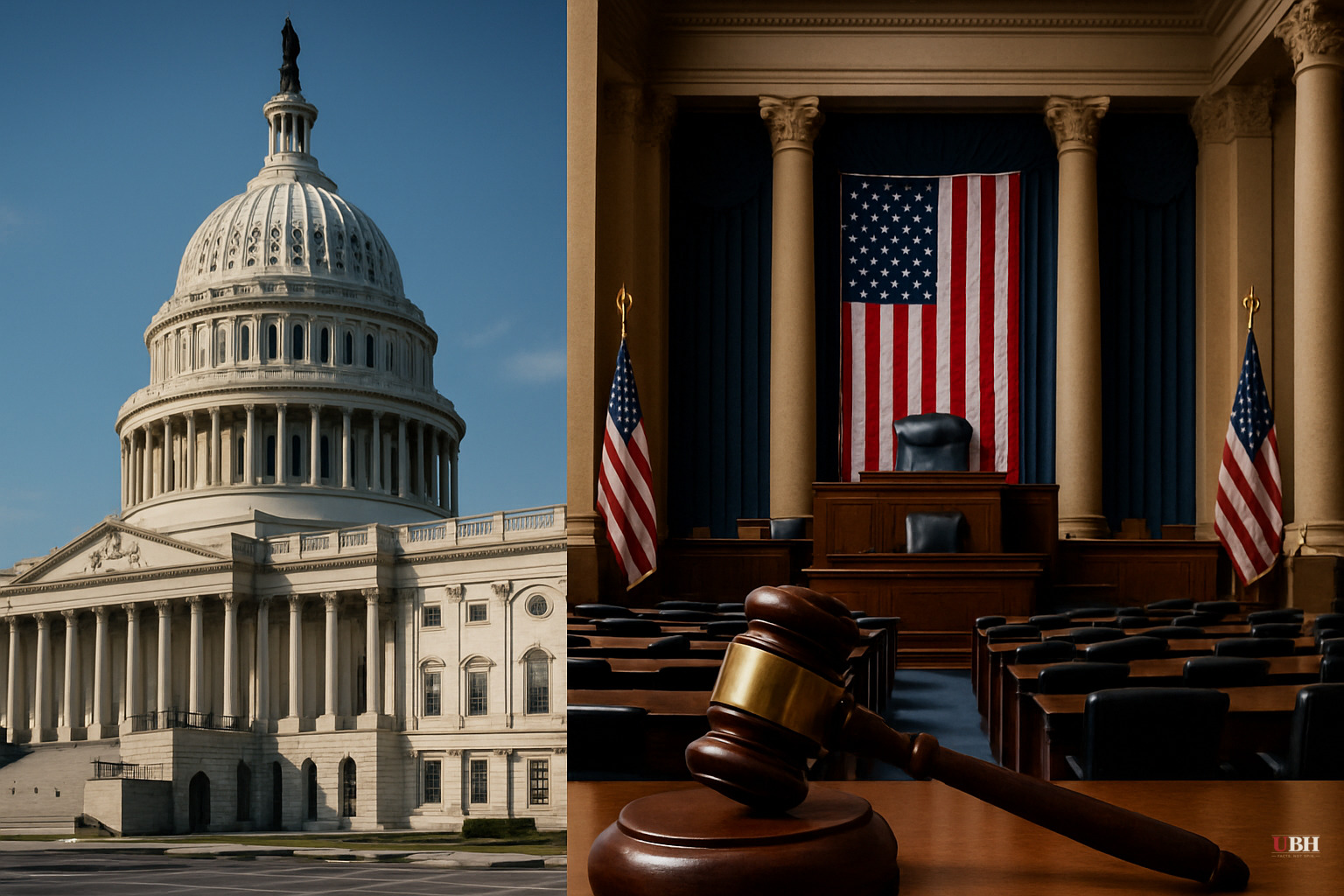
The Story Bigger Than ICE Raids
Deportation footage gets the clicks. But David Bier of the libertarian Cato Institute says the real immigration story of 2026 is being missed entirely.
"The cuts to legal immigration in 2026 are now twice as great on a monthly basis than the cuts to illegal immigration at the border," Bier told CNN.
Bier's methodology: he compared Border Patrol arrest data against numbers for immigrant visas issued, student and skilled worker visas, refugee admissions, and asylum seekers allowed to enter at ports of entry. Across every category — the numbers are down.
USCIS: No Longer Your Friendly Processing Agency
The structural change driving all of this is what's happening inside U.S. Citizenship and Immigration Services.
Traditionally, USCIS and its 20,000-plus employees handled the paperwork of legal immigration — green cards, citizenship applications, work visas, asylum processing.
During his Senate confirmation, new USCIS Director Joseph Edlow said point-blank: "At its core, USCIS must be an immigration enforcement agency."
According to NPR, the Trump administration has gutted the agency's traditional mission from the inside. Collective bargaining agreements were scrapped. Early retirement offers went out. At least 1,300 USCIS employees took the "Fork in the Road" buyout. Others resigned on their own. Current and former employees describe crushed morale.
New job postings at the agency now use language like "homeland defenders" and emphasize fraud detection rather than processing applications.
The Green Card Rule Nobody Saw Coming
One of the more disruptive recent moves: a new Trump administration rule requiring immigrants to be in their native country to apply for a green card.
According to NYT reporting, immigrants, their lawyers, and advocacy groups are scrambling to figure out what this means in practice. It's creating real confusion for people who entered the country legally, built lives here, and assumed they were on a straightforward path to permanent residency.
Refugees: 7,500 Spots — Mostly for Afrikaners
The U.S. Refugee Admissions Program was suspended indefinitely on January 22, 2025. Courts have kept that suspension in place.
The 2026 Presidential Determination set the refugee cap at 7,500 total. According to USAHello, most of those spots are designated for Afrikaners — a specific group prioritized by the administration. Other refugee populations are largely unspecified.
All pending green card applications for refugees admitted between January 20, 2021, and February 20, 2025 are currently on hold.
A federal court separately blocked an initiative called Operation PARRIS that would have allowed nationwide arrests of refugees during green card re-interview processes.
What the Media Is Getting Wrong
Left-leaning outlets like CNN and NPR are covering this accurately on the facts — but framing it almost entirely as a humanitarian crisis story. Conservative outlets, meanwhile, are largely ignoring the legal immigration piece altogether — focusing almost exclusively on border crossings and deportation wins.
From a policy standpoint, the distinction matters: people who entered lawfully, paid fees, waited in line, and hired lawyers are now being caught in enforcement nets designed for illegal immigration. Those are fundamentally different populations, and conflating them muddies the legitimate policy debate.
Julia Gelatt of the nonpartisan Migration Policy Institute called the administration's effort to slow legal immigration "unprecedented."
The Real-World Impact
For regular Americans, this has practical consequences.
Employers relying on skilled worker visas are hitting walls. Families with relatives in multi-year green card backlogs face new uncertainty. Hospitals, farms, and tech companies that legally hire foreign workers are watching their pipelines shrink.
Cato's Bier — a libertarian, not a progressive — argues this amounts to a "radical change" to the American economy's labor inputs.
There's a legitimate conservative argument for border security and against illegal immigration. Most Americans agree on both. But a system that cuts legal pathways twice as fast as it reduces illegal crossings amounts to closing the door rather than enforcing the law.
Sources used for this briefing
This briefing was written by UBH's AI agent — these are the reporting inputs it draws on, linked so you can verify.


