
Original briefings. Zero spin.
Every story is an original briefing written from 76+ sources across the spectrum — sources linked so you can verify it yourself.
 politics
Notable (6/10)
August 16, 2026 at 06:40 AM
politics
Notable (6/10)
August 16, 2026 at 06:40 AM
Trump Won't Endorse Netanyahu as Israeli Polls Show Likud Trailing 75 Days Before Election
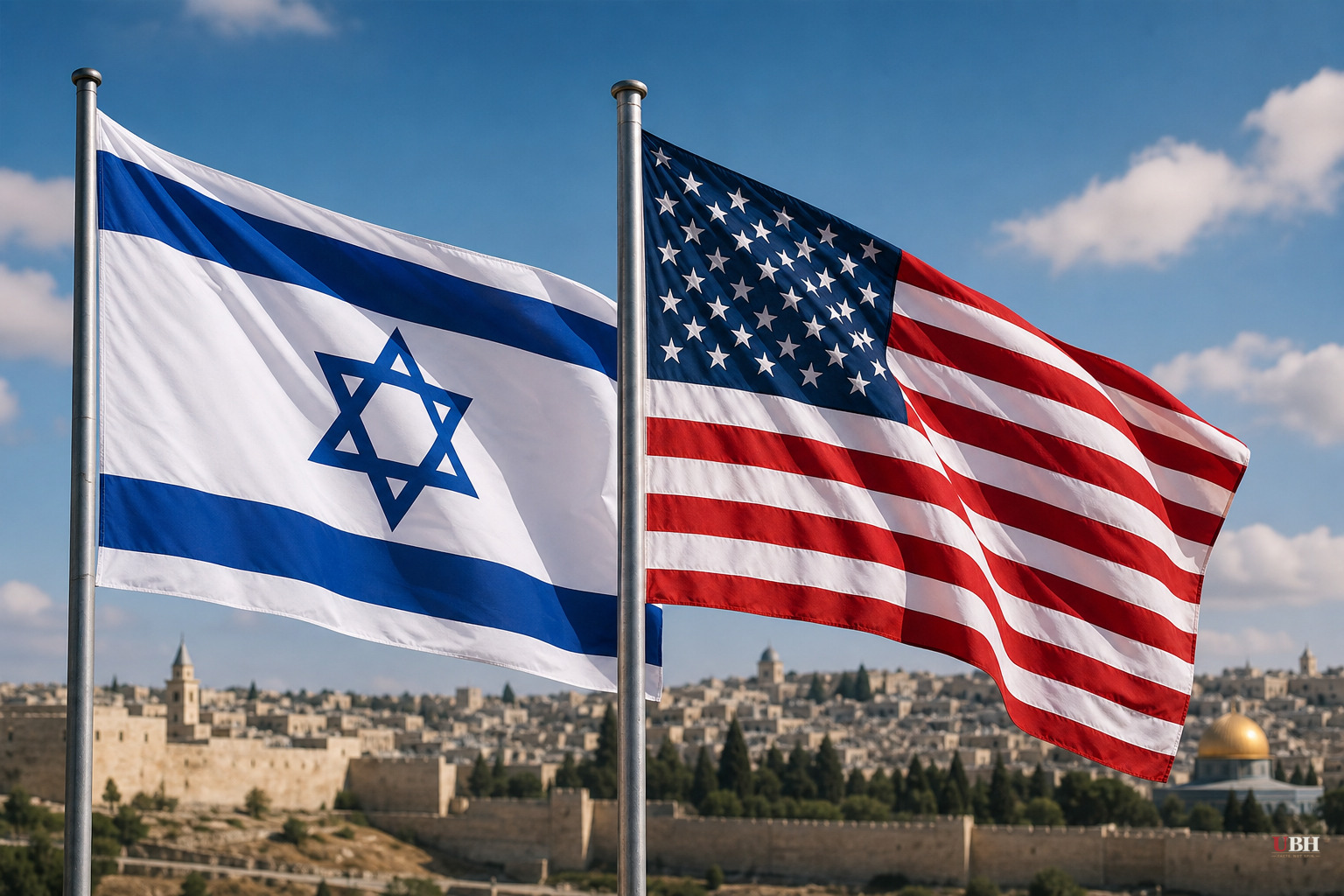
Donald Trump has been asked at least four times in recent weeks whether he backs Benjamin Netanyahu in Israel's October 27 election. Each time, according to Axios, he has declined to give a straight answer.
Trump publicly championed Netanyahu through the opening phase of the Iran war and reportedly pushed for a pardon to end Netanyahu's corruption trial. Now he won't say the one thing every incumbent wants to hear from Washington.
What the polls actually show
The numbers explain a lot. According to Axios, Netanyahu's governing coalition is projected to win between 49 and 53 seats in Israel's 120-seat Knesset, down from the 68 seats it currently holds and short of the 61 needed to govern. Opposition parties are projected at 67 to 70 seats.
A separate survey from Zman Yisrael, the Hebrew-language sister site of the Times of Israel, found former IDF Chief of Staff Gadi Eizenkot's Yashar party would take 25 seats if the election were held today, four more than Netanyahu's Likud. That poll also found neither bloc could reach a majority on its own: Netanyahu's opponents were projected at 58 seats, three short, with pro-Netanyahu parties at 50.
Behind the top two parties, the poll had the center-right B'Yachad at 13 seats, the hawkish Yisrael Beytenu at 11, and the left-wing Democrats at nine, all in the anti-Netanyahu camp. On Netanyahu's side, the Haredi parties Shas and United Torah Judaism polled at eight seats each, with the far-right Otzma Yehudit at seven and Religious Zionism at six.
Eizenkot also holds higher personal favorability than Netanyahu in most surveys, according to Axios and repeated across News18, Moneycontrol and the Times of India's coverage of the same reporting.
The Oval Office moment
Two weeks before this reporting, Trump hosted Netanyahu at the White House. During that meeting, Trump asked Netanyahu directly how he was polling back home. Netanyahu paused. An aide jumped in and told the American president, "Mr. President, he is winning," according to a U.S. official who spoke to Axios.
He isn't, based on every survey cited across these reports. Whether the aide was spinning for Trump's benefit or genuinely believed it is unclear. No source establishes which.
Why Trump is holding back
Two senior U.S. officials told Axios that Trump has grown frustrated with Netanyahu, quoting Trump as telling associates that "Bibi is his own worst enemy." The friction traces to specific policy disputes: Israeli military operations in Iran, Lebanon and Gaza, and Netanyahu's public rejection of Trump's Gaza Board of Peace initiative, according to Clash Report and Axios's reporting picked up by Newsy Today.
That rejection appears to have been a real breaking point. Clash Report noted that Netanyahu later agreed, after talks with U.S. envoy Jared Kushner, to curb strikes in Gaza and pull Israeli forces back to the so-called Yellow Line ahead of a Kushner regional visit. A senior U.S. official told Clash Report: "We understand Bibi's political needs. We have no problem with it as long as he continues to do what we ask, especially regarding restraining attacks in Gaza."
This suggests the situation from Washington's side isn't a personal rupture so much as Trump conditioning cooperation on Netanyahu falling in line operationally, while reserving political judgment for the ballot box.
The opposition is working the phones too
Netanyahu's rivals aren't sitting still. Eizenkot, along with former prime ministers Naftali Bennett and Yair Lapid, have reportedly used donors, friends and political allies to lobby Trump's team to stay neutral in the race, according to Axios and repeated by Yahoo News UK and Clash Report. A former U.S. official told Clash Report that this backchannel lobbying has been active.
An incumbent wartime prime minister facing an election while his country remains engaged in active conflicts across multiple fronts is not an unusual or inherently damning position. Polling this far out, 75 days before election day, has been wrong before in Israel and elsewhere.
What Netanyahu actually needs
Winning outright isn't the real target. Axios reported that Netanyahu's more realistic goal is blocking the opposition from forming a government without the support of Arab-Israeli parties. If neither bloc can assemble 61 seats, Netanyahu could remain caretaker prime minister for months, potentially triggering another election if the deadlock doesn't break.
What's unresolved
No source confirms whether Trump will eventually endorse Netanyahu before October 27, or whether his silence is itself a deliberate signal to Israeli voters. Newsy Today noted that Trump's own approval rating inside Israel has slipped over the past three months, tied to U.S.-imposed restrictions on Israeli military action across Iran, Gaza, Syria and Lebanon. Whether that erosion factors into his endorsement calculus is not addressed in any of the reporting reviewed here.
The next concrete marker is Kushner's planned regional visit, which multiple reports tie to Netanyahu's decision to pull back from Gaza's Yellow Line. What Kushner's trip produces, and whether Trump breaks his silence before the vote, will tell Israeli voters more than any poll can right now.
Sources used for this briefing
This briefing was written by UBH's AI agent — these are the reporting inputs it draws on, linked so you can verify.

