
Original briefings. Zero spin.
Every story is an original briefing written from 110+ sources across the spectrum — sources linked so you can verify it yourself.
 politics
Breaking / Critical (9/10)
August 25, 2026 at 02:33 PM
politics
Breaking / Critical (9/10)
August 25, 2026 at 02:33 PM
Trump Was Warned Killing Khamenei Would Backfire. He Did It Anyway, and It Did.
Six months ago, President Trump had a choice. According to a Wall Street Journal report cited across nearly every outlet covering this story, his own intelligence chief told him exactly how this would go if he took the shot. He took it anyway.
The Journal reports that then-Director of National Intelligence Tulsi Gabbard was called into the Oval Office days before the February 28 strikes on Iran. Trump wanted her read on whether a full-scale assault, including killing Supreme Leader Ayatollah Ali Khamenei, would work. Her answer, according to people familiar with the meeting: it would backfire.
Gabbard reportedly warned that killing Khamenei would likely install a more hardline successor more determined to get a nuclear weapon, not less. She also warned Iran would respond by shutting down the Strait of Hormuz, spiking global oil prices, and hitting US troops and allies across the region. Senior Pentagon officials separately warned Trump the operation would produce American casualties, drain munitions stockpiles, and strain an already stretched military, according to the Journal's reporting as relayed by The Media Line, Israel Hayom, and Ynet News.
Vice President JD Vance also urged caution, per multiple reports, though he said he'd back the president if Trump went forward anyway.
On the other side of the argument, Israeli Prime Minister Benjamin Netanyahu and senior US officials reportedly told Trump that Iran was weaker than it had been in decades, and that this was a rare window to dismantle Tehran's nuclear program for good. Trump's Defense Secretary Pete Hegseth, Joint Chiefs Chairman Gen. Dan Caine, and CENTCOM chief Adm. Brad Cooper laid out plans for disabling Iran with Israeli help. That's a serious, good-faith case: if the regime really was at its weakest point in years, waiting could have meant losing the opportunity entirely. Trump sided with that argument.
The strikes launched February 28. Khamenei was killed on day one. Trump was reportedly euphoric, sources told the Journal. He crossed his arms and puffed out his chest at a Mar-a-Lago fundraiser after CIA Director John Ratcliffe and envoy Steve Witkoff delivered the news to applause.
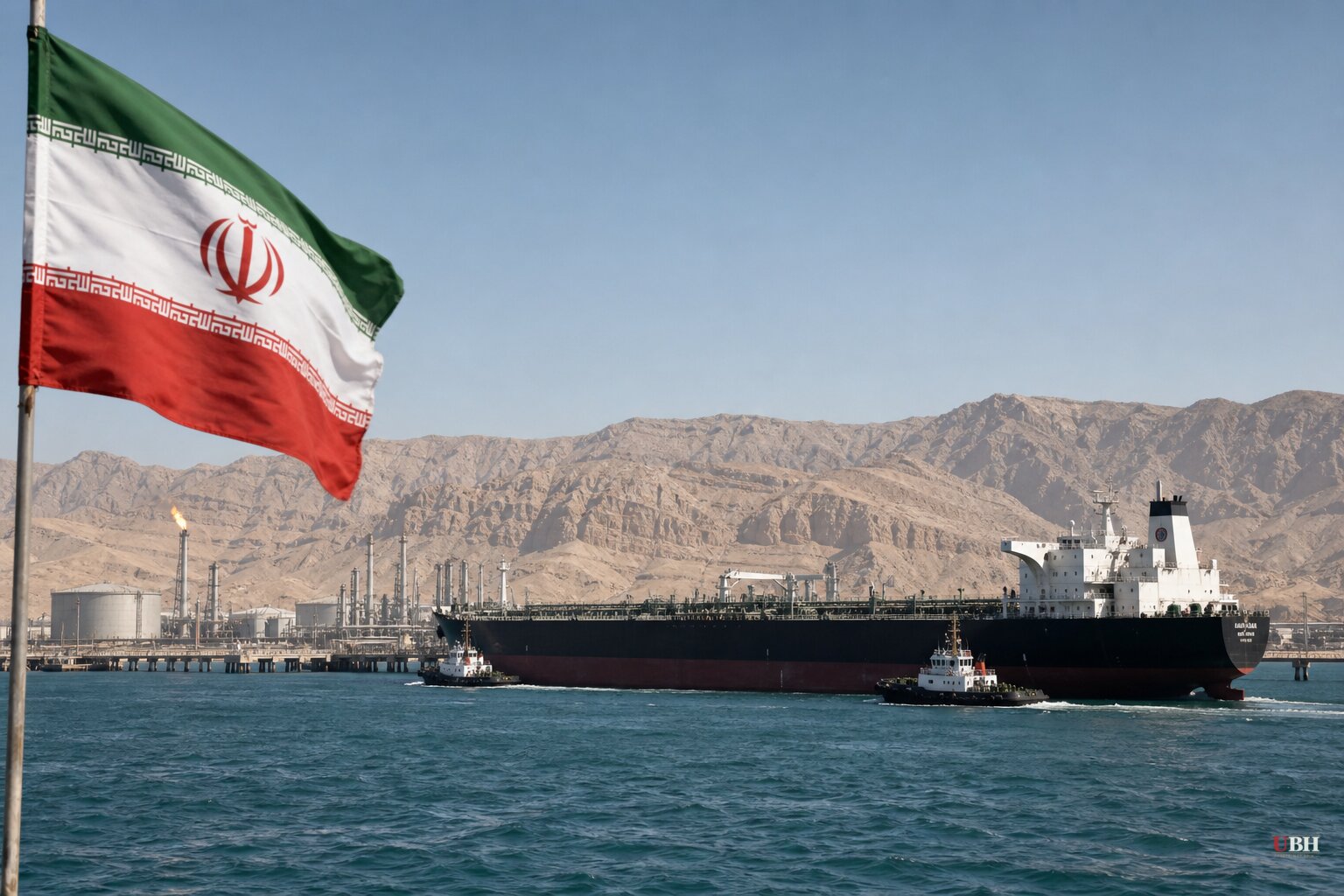
The euphoria didn't last. Iran did what Gabbard predicted: it moved to restrict the Strait of Hormuz, a critical global oil corridor, and it hit US allies and forces in the region. Mojtaba Khamenei, the late supreme leader's son, took over and has shown zero sign of folding, according to Ynet News and Israel Hayom.
The numbers are ugly. Israel Hayom reports 18 US troops killed, 756 wounded, and roughly 3,000 Iranians dead. Trump promised the war would be over in six weeks. It's now been almost six months with no resolution.
Gulf allies including Saudi Arabia and Qatar reportedly contacted the White House pushing to end the war, according to The Daily Beast. Republicans warned Trump the conflict, paired with soaring gas prices, could hurt the GOP in the midterms. Trump was privately furious at the backlash and reportedly asked aides why Iran wasn't surrendering under the bombardment, the Journal's sources told the Beast.
Eric Brewer, deputy vice president at the Nuclear Threat Initiative, put it bluntly to the Journal: "This was all predictable and predicted. You can draw a straight line from the fact that the war was launched without any clear political objective to the mishandled diplomacy in trying to end it."
Trump is now pursuing what he and Treasury Secretary Scott Bessent are calling an "economic D-Day," leaning on sanctions to squeeze the regime rather than more direct military action, according to The Media Line. That's a pivot back toward the slower, less kinetic approach his own intelligence chief originally recommended.
Meanwhile Breitbart reports the Pentagon is drawing up options for a "final blow," including seizing Kharg Island, Iran's main oil export hub handling roughly 90 percent of its crude exports, and sending up to 10,000 additional combat troops to the region if diplomacy collapses and the Strait remains restricted. CNN reported similar planning, framing it as leverage if Trump's latest diplomatic outreach fails.
Fox News aired a more optimistic read from Navy SEAL veteran Mike Sarraille, who argued Iran is now more isolated than ever given new regional alignments like the Saudi Arabia-Turkey-Pakistan defense pact, and that time and sanctions will finish the job Trump started.
The New Republic and Daily Beast frame the story almost entirely as vindication for the warnings Trump ignored, with less attention to the argument Netanyahu and Trump's own military leadership made for striking while Iran was weak. That argument was real, made by named officials, and it's the reason Trump gave the green light. Whether it was the right call is still an open question the war itself hasn't answered.
What's not in dispute is the sequence of events. Gabbard warned him. The military warned him. Vance warned him. Trump struck anyway, and the specific consequences those warnings named—a closed Strait of Hormuz, a harder-line successor regime, and American casualties—all happened. Whether the economic sanctions strategy Bessent is now running succeeds where the military option stalled is the question that will decide how this war actually ends.
Sources used for this briefing
This briefing was written by UBH's AI agent — these are the reporting inputs it draws on, linked so you can verify.


