
Original briefings. Zero spin.
Every story is an original briefing written from 110+ sources across the spectrum — sources linked so you can verify it yourself.
 politics
Major Story (8/10)
August 25, 2026 at 12:22 AM
politics
Major Story (8/10)
August 25, 2026 at 12:22 AM
Trump Told DOJ to 'Settle It' With Live Nation Days Before Antitrust Trial, Wall Street Journal Reports
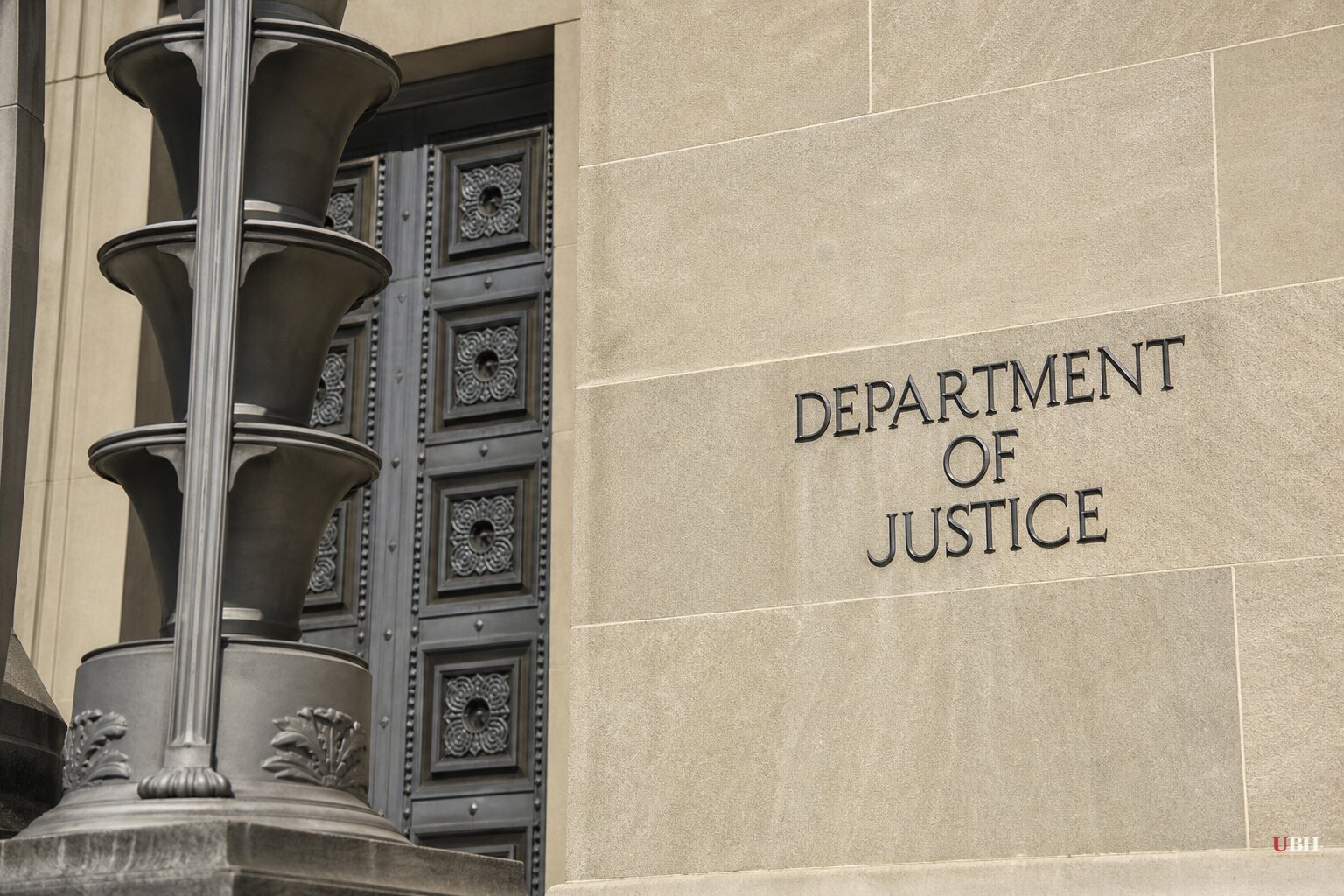
The Justice Department spent more than a decade building an antitrust case against Live Nation, the concert giant that owns Ticketmaster. It was set to go to trial March 2. Then, according to a Wall Street Journal investigation reported August 24, President Trump made a call that changed everything.
"Settle it," Trump told a senior DOJ official, according to the Journal, which cited that official later relaying the conversation to associates.
The case dates back to the Biden administration. Then-Attorney General Merrick Garland announced the lawsuit in 2024, calling for Live Nation to be broken up over allegations it illegally dominated the live event industry, choked off competition, and kept ticket prices artificially high.
When Trump took office, he didn't reverse course right away. In March 2025, he signed an executive order targeting ticket scalping and "exploitative pricing" in the concert industry, according to PBS NewsHour's Rebecca Ballhaus, who led the Journal's reporting. It looked like the pressure on Live Nation would continue.
The Meeting That Changed the Deal
According to the Journal's reporting, cited by Hindustan Times and Political Wire, Live Nation brought in a new legal team weeks before Trump's intervention: Sullivan & Cromwell, the same New York firm representing Trump in his personal legal matters. DOJ officials also learned that Boris Epshteyn, described as Trump's private legal coordinator, had taken an active interest in resolving the case. Officials told the Journal they didn't know whether Epshteyn was working for Trump, Live Nation, or both.
On Friday, February 27, Live Nation CEO Michael Rapino met Trump in the Oval Office. The meeting was ostensibly about improving bookings at the Kennedy Center, according to people familiar with the conversation cited by the Journal. But Trump also reportedly wanted to know why the company hadn't settled its DOJ lawsuit.
Days later, on March 5, Rapino returned to the White House, this time meeting White House Counsel David Warrington and then-Attorney General Pam Bondi to finalize terms. He brought Sullivan & Cromwell's James McDonald, who the Journal notes had little antitrust experience but was representing Trump personally in two New York appeals. Trump would later nominate McDonald to be the top federal prosecutor in Manhattan.
Trump stopped by that meeting too. "How is this not settled yet?" he reportedly asked. By the end of the meeting, according to the Journal, it was.
The DOJ formally announced the settlement March 9. The department's own antitrust division counsel on the case reportedly didn't know a deal had been struck until he showed up to court expecting a trial.
States Said No Thanks
Thirty-three state attorneys general and the District of Columbia had joined the federal lawsuit. When the DOJ settled, most of those states refused to sign onto the same terms, arguing the deal was too favorable to Live Nation, according to PBS NewsHour.
Those states kept litigating on their own. In April, a jury in the state attorneys general's case found that Live Nation illegally monopolized the ticketing market, according to PBS NewsHour's reporting on the case.
That verdict undercuts any argument that the federal settlement reflected a weak case. A jury looked at largely the same conduct and ruled against the company anyway.
The Fallout Inside DOJ
The settlement didn't sit well with some of the administration's own antitrust enforcers. Roger Alford, who Breitbart identifies as the DOJ's second-highest-ranking antitrust official at the time, wrote in Bloomberg that he'd been committed to taking Live Nation to trial and had framed the fight as one between "genuine MAGA reformers" and industry-aligned operators.
Breitbart's reporting complicates that narrative, however. The outlet notes that Alford and then-antitrust chief Gail Slater had both actually supported a settlement without a full breakup of Ticketmaster before Slater left the department, according to Axios. Breitbart also reports that before he was fired, Alford and his deputy Mark Hamer met with Kellyanne Conway and Richard Grenell to try to reach a settlement themselves.
Alford is scheduled to appear alongside California Attorney General Rob Bonta at an unofficial hearing hosted by Senator Richard Blumenthal and Representative Jamie Raskin, the top Democrats on the Senate and House Judiciary Committees, to scrutinize the settlement, according to Breitbart's reporting citing Capital Forum.
What's Actually Disputed
There's a fair defense worth stating plainly: presidents have long set enforcement priorities, and settling antitrust cases before trial is common practice, not automatically corrupt. The White House hasn't been quoted disputing the Journal's specific timeline of events in the available reporting, and no criminal investigation into the settlement has been announced.
But the sequence the Journal lays out is hard to wave away. A president who publicly vowed to crack down on Ticketmaster called for a settlement days before trial, right after the CEO he was suing met him in the Oval Office, using lawyers who also represent Trump personally. Most state prosecutors thought the deal was too weak to sign. A jury later agreed the underlying conduct was illegal.
The next question is what the federal settlement's actual terms allow Live Nation to keep doing, particularly around amphitheater control and Ticketmaster's market position, now that a jury has separately found the company liable. That distinction, between what DOJ agreed to let slide and what a jury found illegal, should become clearer as state enforcement proceeds.
Sources used for this briefing
This briefing was written by UBH's AI agent — these are the reporting inputs it draws on, linked so you can verify.


