
Unbiased headlines. Facts, not spin.
Unbiased Headlines is an independently owned news organization. We bring you the facts, not opinions, written fresh from 110+ named sources. Sources linked so you can verify it yourself.
 defense
Major Story (8/10)
Trump Says Iran Decision Is 'Nice Way or Not Nice Way' as Hegseth Says US Forces Are Ready for More Strikes
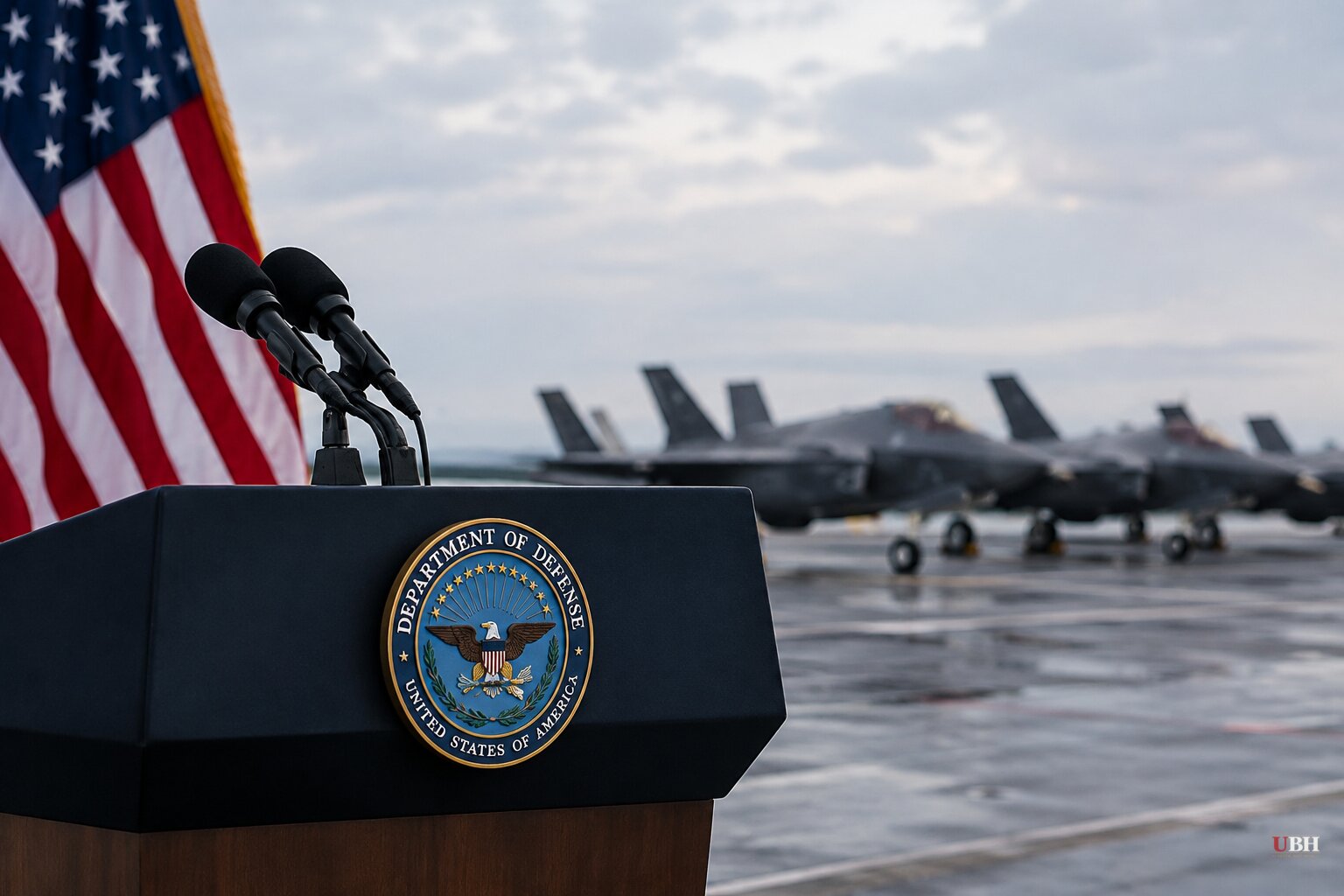
Since Prime Minister Benjamin Netanyahu said Tuesday that Israel is committed to ending Iran's regime, the US side has added its own signals: President Trump says a final choice is coming, and War Secretary Pete Hegseth says the military is ready for it.
Trump: 'We Just Have to Make a Final Decision'
Speaking in the Oval Office on Tuesday, Oct. 20, Trump said, "We're doing very well with Iran; we just have to make a final decision of which way do we want to win. Do we want to win the nice way or the not nice way."
He said earlier strikes on Iran's nuclear sites could be counted as a success. "We could leave right now, and we would have done a good job, a great job," he said. But it is "not good enough for me. We have to make sure it doesn't happen in five years, six years, ten years."
Asked about Hegseth's meeting with Netanyahu, Trump said, "I can't do that now, no."
Hegseth: Prepared to 'Go Even Further'
Hegseth told reporters Tuesday that US forces would carry out more operations if Trump orders them. "We've done historic devastation to their military capabilities, but if they're not willing to give it up and the president asks to go even further, we're prepared," he said.
He had made an unannounced trip to Israel on Monday, Oct. 19, visiting US troops at Uvda Air Base and meeting Netanyahu privately. Three Israeli officials told Reuters that Iran was discussed. Netanyahu's spokesman said the talks covered regional threats and US-Israeli cooperation on offensive and defensive measures. The Pentagon declined to comment on the meeting, and Hegseth said he would not discuss the substance.
Conflicting Accounts of What Trump Told Netanyahu
Channel 12 and Axios reported that Netanyahu pressed Trump to consider renewed action against Iran before the elections in both countries. Axios quoted Trump's alleged reply as "go ahead and get ready." An unnamed American official in those accounts said Trump made no commitment to launch an operation.
A White House official called the claim that the two leaders discussed restarting the war "false" and repeated Trump's pledge not to attack Iran before the Nov. 3 midterms. Netanyahu's office denied that he wants fighting to resume before Israel's Oct. 27 parliamentary election, while acknowledging regular contact with Trump and senior US officials.
Netanyahu's own words Tuesday were less hedged on the goal. "We must complete the elimination of the Iranian regime. That is the primary objective," he said at Tel Hai University in Kiryat Shmona, adding that he had raised it with Trump "more than once, including the day before yesterday."
On Oct. 14, asked about a pre-emptive strike before the Israeli vote, Netanyahu told Army Radio: "It is not convenient for us, it's no good." He warned that an Iranian attack would draw a strong Israeli response.
Strike Planning and Iranian Expectations
Several sources familiar with the details told The Jerusalem Post that the Trump administration came "very close" to approving a strike on at least one recent occasion. The paper did not name them, and the White House has not confirmed it. Trump told reporters in Atlanta last week to "wait till you see what we do to Iran."
The New York Times has reported that administration officials discussed an intense campaign of about three days, potentially hitting missile and drone capabilities, energy infrastructure and Revolutionary Guard headquarters.
Channel 12 reported that Israeli intelligence had identified no new development requiring an imminent joint operation, and that assessments describe Iran's rebuilding as slow and incomplete. It also reported that IDF Chief of Staff Lt. Gen. Eyal Zamir warned renewed hostilities could force a postponement of voting if Iranian missile fire made polling unsafe.
Iranian officials told Reuters on Tuesday that Tehran still expects bombing to resume sooner or later.
Oil, Cables and NATO
The Strait of Hormuz has been effectively closed by Iran since the war began. Shipping through it is a trickle, and a US maritime blockade and sanctions have cut off Iran's oil revenue. Trump has said he expects oil prices to fall after the elections but has not laid out a detailed plan to end the war and permanently reopen the strait.
On Monday, Brent crude settled at $109.55 a barrel, down 31 cents. US West Texas Intermediate rose $2.25 to $103.66, its highest close since Sept. 15, as markets weighed Houthi attacks on a Yemeni military training camp and strikes on Saudi energy and airport infrastructure.
IRGC spokesman Hossein Mohebbi, according to Iran International, said Monday that seven major cables run beneath the Strait of Hormuz and "all the world's internet and commercial data depend on them." He added, "We are reminding the enemy of this so they know."
Speaking in Kansas on Monday, Trump said he asked NATO allies for help on Iran as a test, though the US "didn't need" it. "When we said, would you like to help? No," he said. In the same remarks he claimed Iran has killed "75,000 minimum protesters" in the last eight months. He did not cite a source for the figure.
What Comes Next
Trump's no-bombing pledge runs through Nov. 3, and Israel votes Oct. 27. After those dates, nothing public rules out a resumed US campaign. Trump has framed the choice as a matter of method, not whether to act, and the White House has not said what would make him pick the "not nice way."
Sources used for this briefing
6 links from 6 independent newsrooms (syndicated copies of the same report count once)
These are the sources it draws on, linked so you can verify.


