
Original briefings. Zero spin.
Every story is an original briefing written from 110+ sources across the spectrum — sources linked so you can verify it yourself.
 politics
Notable (6/10)
August 20, 2026 at 08:24 AM
politics
Notable (6/10)
August 20, 2026 at 08:24 AM
Trump Says Data Centers Need 'Public Relations Help' as Both Parties Run Away From Them
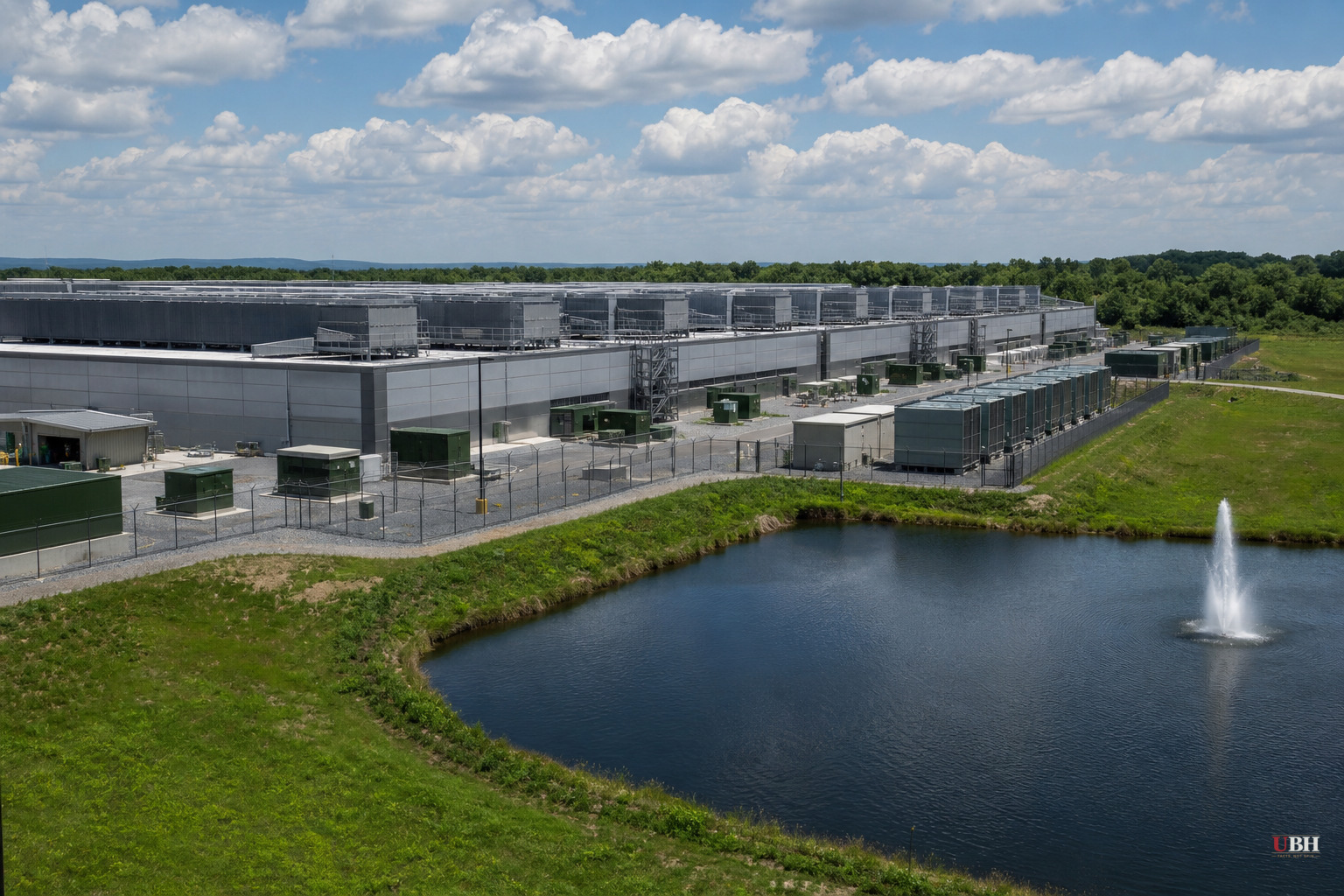
President Trump stood next to tech executives at the White House on Wednesday and admitted something his own party is increasingly worried about: data centers have a serious image problem.
"I would say that maybe it could use a little public relations help," Trump told reporters, according to Business Insider. He wasn't backing off his support, though. "If I were a governor or a mayor, I would want that plant in my community," he said, pointing to jobs and tax revenue as "just enormous."
That's the same day Pennsylvania Governor Josh Shapiro rolled out what he called the "strictest" data center standards in the country, accusing "speculators" of "bullying" local officials into fast-tracking approvals, according to Business Insider. Shapiro is a Democrat. He's not the only one running from this fight.
The politics flipped fast
A year ago, being pro-AI-infrastructure was a bipartisan flex. Now it's a liability for candidates in both parties, according to Semafor. Texas Governor Greg Abbott, a Republican seeking a fourth term, suddenly ordered an audit of tech companies' grid usage and now says he'll push to repeal data center tax breaks next legislative session. His Democratic challenger, state Rep. Gina Hinojosa, isn't buying it. "Everything out of Greg Abbott's mouth is the opposite of what he does," she said, according to Semafor. "If he was serious about it, he would call a special session."
In Florida, GOP gubernatorial nominee Byron Donalds took heat for accepting tech industry donations before pivoting to warn against repeating "what happened in northern Virginia, where you basically had a data center across from someone's front door," he said in February, according to Semafor. Florida Governor Ron DeSantis signed a law in May letting communities reject data center projects outright.
In Ohio, Vivek Ramaswamy wanted a friendlier regulatory climate for AI plants and Bitcoin mining last year. He's since shifted, according to Semafor. In Wisconsin, GOP nominee Tom Tiffany is attacking his Democratic opponent in ads as "Data Center David Crowley," according to the Denver Gazette. And the National Republican Senatorial Committee sent out a memo Wednesday effectively begging AI companies to spend money reshaping public opinion, warning that Ohio Senator Jon Husted could lose his seat over the issue, both the Denver Gazette and Washington Examiner reported.
The numbers behind the backlash
The opposition isn't manufactured outrage. A Gallup survey from March found 71% of Americans oppose data center construction in their own area, according to Fox News, a higher rejection rate than nuclear power plants draw. Fox News also reported that local opposition blocked or delayed $64 billion in data center projects between May 2024 and March 2025.
New York became the first state to pass a statewide data center moratorium, signed by Governor Kathy Hochul earlier this summer. At least 15 states have lawmakers considering similar moratoriums, according to Decrypt. Food & Water Watch, joined by more than 230 organizations including Greenpeace and Friends of the Earth, has formally demanded a national ban, according to Fox News.
Fox News argues the tech industry's political operation was built to fight over content moderation and antitrust, not zoning boards and utility commissions. That mismatch explains why Silicon Valley keeps losing local fights it never used to have to fight at all. This is a different kind of political battle than tech's lobbyists are used to.
The financial stakes are real on both sides. Loudoun County, Virginia, pulled over one-third of its entire general fund revenue from data centers last fiscal year, according to Business Insider. Virginia's sales tax exemption for the industry saved companies $1.9 billion last year, per the state's own tax department. That's real money for local governments and real subsidy for an industry now worth trillions.
But the cost side is real too. Portland General Electric got unanimous approval from Oregon's Public Utility Commission to raise industrial rates, including for AI data centers and crypto miners, by nearly 30%, while cutting residential rates by 1.3%, according to Breitbart. Commission Chair Letha Tawney said the goal is making sure "costs created by data centers in PGE's territory are more accurately reflected in their rates." The move attempts to address the cost-shifting problem critics say is driving the backlash.
Trump's bigger bet
Trump isn't just defending data centers. He told reporters Wednesday that AI could be "bigger than the internet, bigger than anything anyone's seen," according to Decrypt, and said the technology will likely come up when Chinese President Xi Jinping visits on September 24. He's pushing AI companies to build their own power plants rather than draw down the existing grid, saying "our grid is old and tired and weak," and that new AI-linked plants are "giving the excess electricity into the grid."
In March, Amazon, Google, Meta, Microsoft, OpenAI, Oracle and xAI signed the White House's Ratepayer Protection Pledge, committing to cover the costs of new electricity generation for their own data centers, according to Decrypt. Meta separately announced a $1 billion "Future Is For Everyone Fund" this month aimed at communities hosting its facilities, according to Business Insider.
At least 37 people have been arrested at data center protests this year, according to Decrypt. Whether the industry's pledges or state moves like Oregon's rate restructuring calm the backlash before November's midterms remains to be seen. Voters in swing districts will answer it at the ballot box.
Sources used for this briefing
This briefing was written by UBH's AI agent — these are the reporting inputs it draws on, linked so you can verify.


