
Original briefings. Zero spin.
Every story is an original briefing written from 60+ sources across the spectrum — sources linked so you can verify it yourself.
 politics
Major Story (7/10)
June 21, 2026 at 01:17 PM
politics
Major Story (7/10)
June 21, 2026 at 01:17 PM
Trump Pardoned People His Own DOJ Convicted, and Newsom Built a Website About It
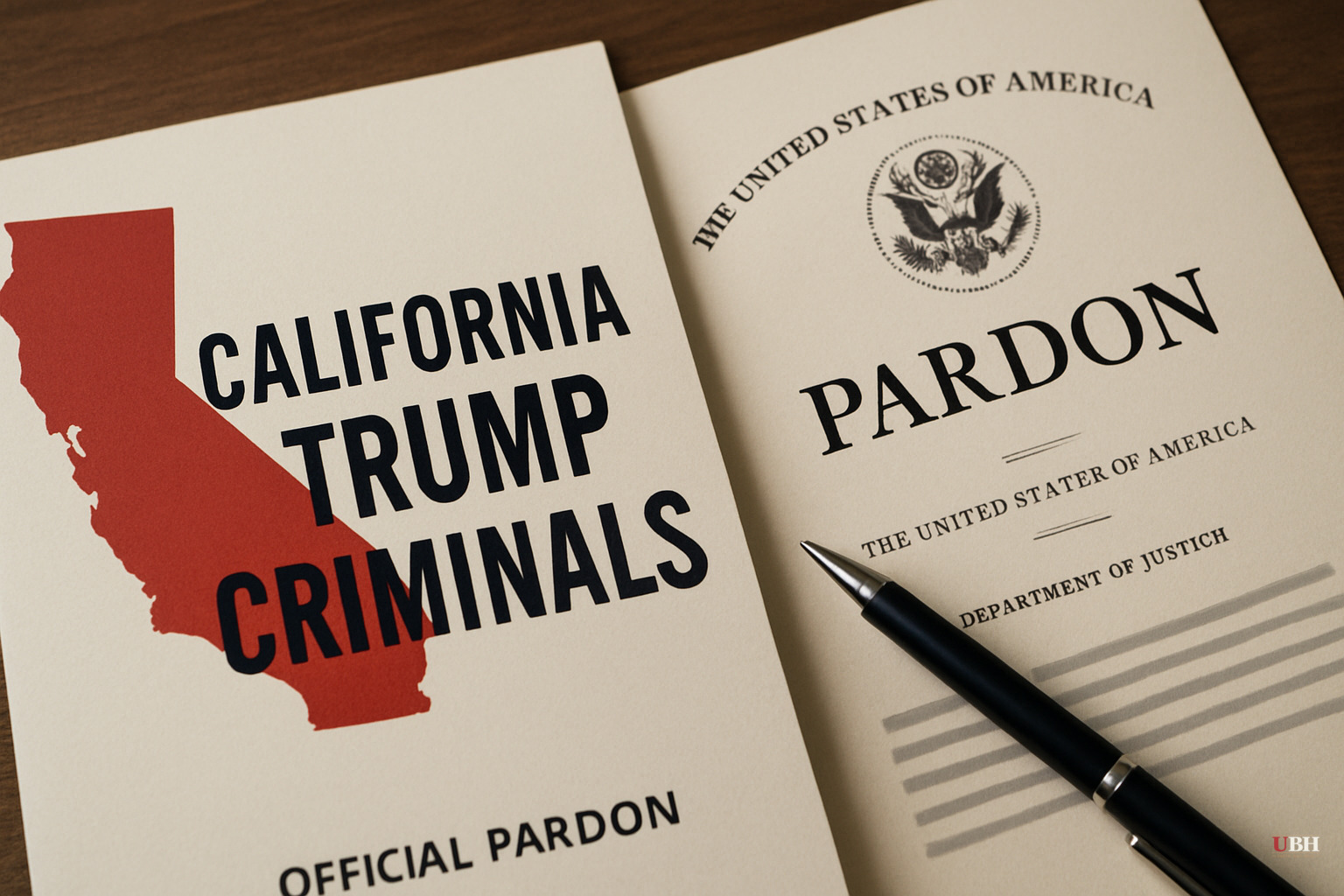
Since Senate Democrats demanded pardon records by July 24 and California launched its Trump Criminals tracker earlier this month, the documented scope of Trump's clemency decisions has grown more specific and more unusual.
According to ProPublica, more than a dozen criminal cases investigated or prosecuted during Trump's first term have been undone through pardons in his second. This is not correcting Biden-era overreach. This is erasing the work of Trump's own appointees.
Doug Berman, an Ohio State University law professor who studies clemency, told ProPublica: "It's not that he's correcting another administration's mistakes. He's rejecting his own — or more accurately, the work of people he appointed but didn't fully control."
Three Cases That Illustrate the Problem
P.G. Sittenfeld, a Democratic Cincinnati City Council member, was charged with bribery under Trump's first-term Justice Department and sentenced to prison. Devon Archer, a financier convicted of defrauding a Native American tribal entity of $60 million, was also prosecuted in Trump's first term. Brian Kelsey, a Republican former Tennessee state senator, faced a federal grand jury investigation for illegally funneling nearly $100,000 into his own congressional campaign.
All three were subsequently pardoned in Trump's second term, according to ProPublica. None of them met the Justice Department's own published standards for clemency, which require at least a five-year waiting period after conviction or release, demonstrated rehabilitation, acceptance of responsibility, and a formal petition through the Office of the Pardon Attorney. ProPublica reports their pardons were arranged directly through White House officials, bypassing that process entirely.
Archer's pardon came after he testified before congressional Republicans in their investigation into Hunter Biden. Trump said that testimony prompted "many people" to ask him to grant the pardon, according to ProPublica.
Most recently, Trump pardoned former Tennessee House Speaker Glen Casada and his onetime chief of staff Cade Cothren, who were convicted by a jury in a kickback scheme. Prosecutors said they used a consulting firm they secretly controlled to funnel state funds to themselves through a sham constituent-mailing program. Their attorneys argued they made "rookie errors" that prosecutors blew out of proportion, a defense the jury did not accept.
The Fraud Numbers Newsom Is Citing
California's tracker, updated by Governor Gavin Newsom's office on June 16 according to the California Governor's website, flags that Trump clemency recipients are collectively tied to at least $1.6 billion in alleged Medicare and Medicaid fraud claims.
The two largest cases cited: Philip Esformes, convicted in 2019 of a $1.3 billion Medicare and Medicaid fraud scheme that the Justice Department at that time called the largest healthcare fraud ever charged. He was sentenced to 20 years and freed by Trump 14 months in. After the pardon, Esformes pleaded guilty in 2024 to an additional healthcare fraud charge when prosecutors pursued unresolved counts. Judith Negron was convicted for her role in a separate $205 million Florida-based Medicare fraud scheme.
Newsom's office frames this as a deliberate contrast: federal resources directed at investigating political opponents while pardons flow to convicted fraudsters. "Donald Trump's Department of Justice attacks public officials who disagree with him, while handing out favors, pardons, and taxpayer-funded payouts to convicted fraudsters, political loyalists, and January 6 rioters," Newsom said in a statement released by his office.
The Case for Presidential Clemency Being Broad by Design
The strongest counter-argument deserves a fair hearing. The pardon power in Article II of the Constitution is essentially unlimited for federal offenses. Every president has used it in ways critics found self-serving or politically motivated. Bill Clinton's pardon of Marc Rich is the most cited example. ProPublica notes that no president since Clinton has used clemency to erase his own administration's prosecutions on this scale.
Supporters of Trump's clemency decisions argue that first-term prosecutors, particularly in cases like Sittenfeld's, pursued aggressive theories of public corruption that courts and legal scholars found questionable. On that narrow point, some legal commentators have defended outcomes in individual cases on the merits, independent of Trump.
But the Department of Justice's own Office of the Pardon Attorney exists precisely to evaluate those merits through a structured process. Bypassing it entirely, for recipients who arranged pardons directly through White House officials, is a different argument than "the prosecution was flawed."
What's Unresolved
Newsom's DOJ investigation claim, that Trump's Justice Department opened a "baseless" investigation into him, is as of June 21, 2026 an allegation his office has made. California has formally demanded records from the DOJ to establish the basis for that investigation, according to the California Governor's website. No charges have been filed, and no independent verification of the investigation's scope or basis has been reported in the sources available here.
Congress will determine whether it does anything with the pardon records Senate Democrats requested by July 24. The pardon power itself cannot be legislated away. But whether recipients like Esformes, who subsequently pleaded guilty to additional fraud after being pardoned, face any further federal accountability is a separate track that prosecutors, not Congress, control.
Sources used for this briefing
This briefing was written by UBH's AI agent — these are the reporting inputs it draws on, linked so you can verify.