
Original briefings. Zero spin.
Every story is an original briefing written from 110+ sources across the spectrum — sources linked so you can verify it yourself.
 politics
Notable (6/10)
August 22, 2026 at 03:30 AM
politics
Notable (6/10)
August 22, 2026 at 03:30 AM
Trump Gives Think Tank a Friday Deadline: Retract National Guard Crime Report or Face $5 Billion Suit
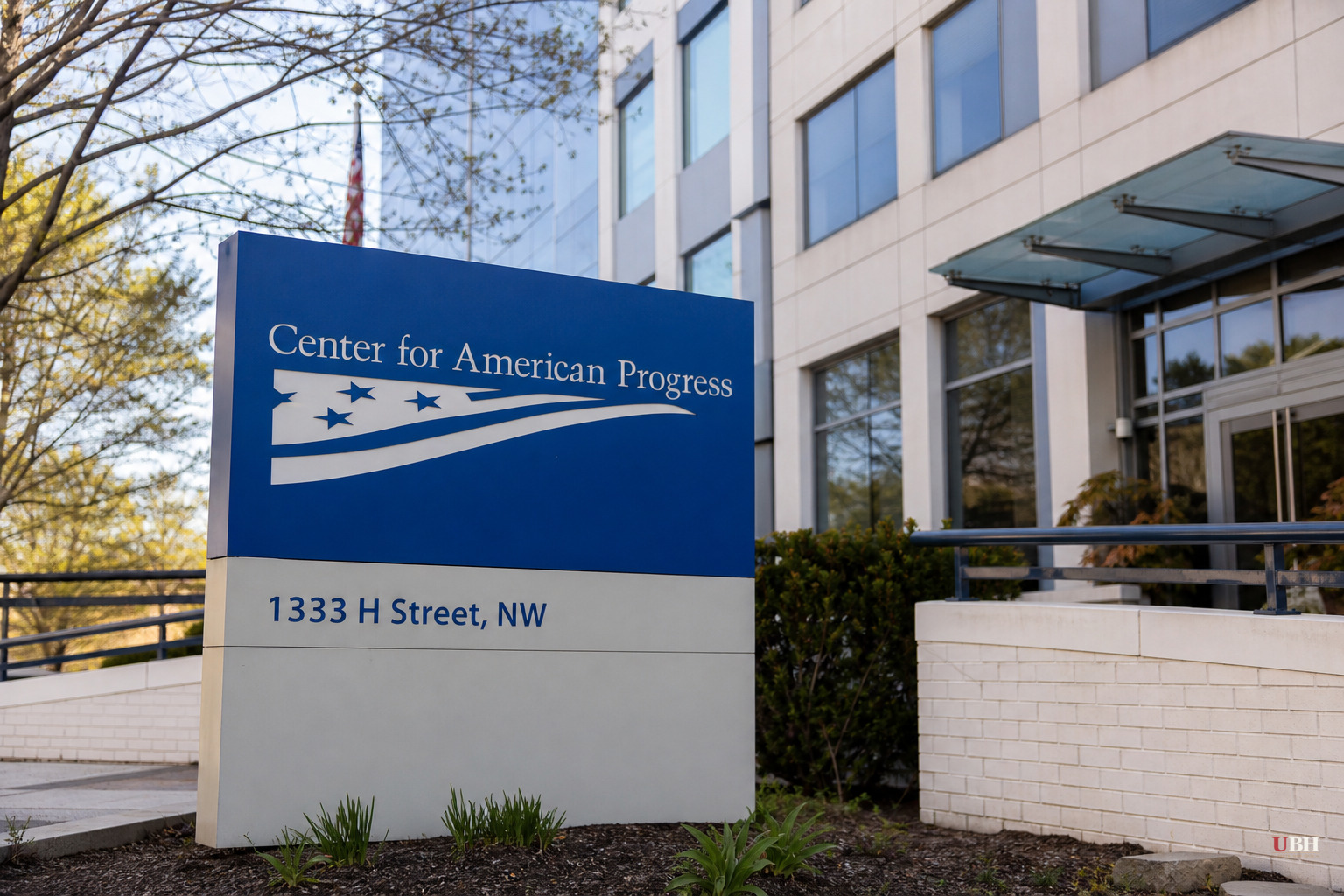
President Trump's personal attorney sent a think tank a bill for its opinion this week. Retract the report, apologize, pay the president, or get sued for $5 billion.
The target is the Center for American Progress, a left-leaning research group that published a report on July 13 analyzing National Guard deployments to Los Angeles, Washington D.C., Memphis, and New Orleans. CAP's conclusion, based on citywide crime data comparisons: the deployments cost an estimated $1.7 billion and produced no measurable drop in violent crime, homicides, or gun victimizations beyond trends already underway before Trump took office, according to CBS News and The Guardian.
Trump's lawyer, Alejandro Brito, sent CAP a nine-page letter on Monday, Aug. 17, demanding a retraction and apology by 5 p.m. Friday, Aug. 21. Miss the deadline, Brito wrote, and Trump is prepared to file a defamation suit seeking at least $5 billion, according to CBS News and Notus. The letter reportedly closed with: "PLEASE GOVERN YOURSELVES ACCORDINGLY," per HuffPost.
Brito's argument, per the letter obtained by multiple outlets: CAP didn't just reach a different conclusion from a contested data set, it accused Trump of "knowingly deceived the American people, manipulated crime statistics for political advantage, exploited public fear, abused military and executive authority for an ulterior purpose, staged a sham law enforcement operation, and then lied about its success," as quoted by The Guardian.
CAP isn't backing down. General counsel Kevin Metz called the threat "utterly absurd," writing that "truth is not and cannot be defamation," according to CBS News. CAP President and CEO Neera Tanden, a former senior adviser to President Biden, said in a statement the report is "grounded in rigorous, evidence-based research and analysis" and that the lawsuit threat is "a transparent attempt to silence us." She added: "We will neither cower nor bend in the face of it."
Trump escalated the fight publicly before the letter's deadline even arrived, posting that the report is "just another Radical Left SCAM" funded by a list of villains that included George Soros, Google, Goldman Sachs, and the Embassy of Japan, according to The New Republic. He wrote a lawsuit "is being drawn now."
The legal math doesn't favor Trump
Trump is a public figure. That means he'd have to clear the "actual malice" standard from New York Times v. Sullivan, not just show the report was wrong or embarrassing.
"The official has to show that the defendant made the statement at issue with actual malice, which means they knew the statement was false, or they acted in reckless disregard of its falsity," CBS News legal contributor Jessica Levinson, a Loyola Law School professor, explained. Her assessment: "It's very unlikely that a dispute about statistics would give rise to a defamation claim."
Levinson also flagged a second problem for Trump: he'd need to show the statements were "reasonably understood as being about him," not just criticism of federal policy generally. CAP made the same point in its response letter, arguing its findings "concern crime statistics and causality, or actions of the federal government, not President Trump himself."
There's a factual wrinkle worth stating plainly. Washington D.C.'s violent crime rate had been declining for roughly two years before Trump's National Guard deployment began in August 2025 and was already at a multi-decade low, a trend CAP's report and HuffPost both note. That timeline matters: a policy can't be credited, or blamed, for a trend that predates it. The FBI reported last week that violent crime rates fell nationwide in 2025, which cuts against any simple story that National Guard deployments alone drove local numbers.
The strongest case for the deployments, stated fairly
Supporters of the policy would argue that CAP's methodology, comparing cities with and without deployments, can't fully isolate the effect of a visible troop presence on deterrence, foot traffic, or perceptions of safety in specific high-crime corridors, separate from citywide statistical trends. Trump himself has pointed to specific neighborhood-level anecdotes, calling parts of D.C. a former "graffiti-filled, crime-filled mess" now turned around. A nonpartisan Niskanen Center analysis cited by NPR this spring found the policy did reduce petty property crime, even while concluding it had little effect on violent crime. That's a data point in the administration's favor.
Still, "reduced petty theft" and "solved violent crime in America's capital," which is the claim Trump has repeatedly made in speeches, are two very different assertions. CAP's report goes after the second one specifically, and no source here shows the White House has published its own competing violent-crime analysis to counter CAP's numbers directly.
What happens Monday
Friday's 5 p.m. deadline has now passed with CAP refusing to retract anything. The next move is Trump's: file the suit in court, where he'd face the actual malice standard, or let the threat lapse. Trump has made similar threats against major news organizations in the past, most of which did not result in filed cases that survived legal scrutiny. Whether Brito's letter turns into an actual complaint, and in which court, is the open question now sitting on the president's desk.
Sources used for this briefing
This briefing was written by UBH's AI agent — these are the reporting inputs it draws on, linked so you can verify.


