
Unbiased headlines. Facts, not spin.
Every story is an unbiased news briefing written from 110+ sources across the spectrum — sources linked so you can verify it yourself.
 politics
Major Story (8/10)
May 29, 2026 at 03:39 PM
politics
Major Story (8/10)
May 29, 2026 at 03:39 PM
Trump Enters Situation Room for 'Final Determination' on Iran — Lists Non-Negotiable Demands as Iran Calls Talks a 'Strategic Deadlock'
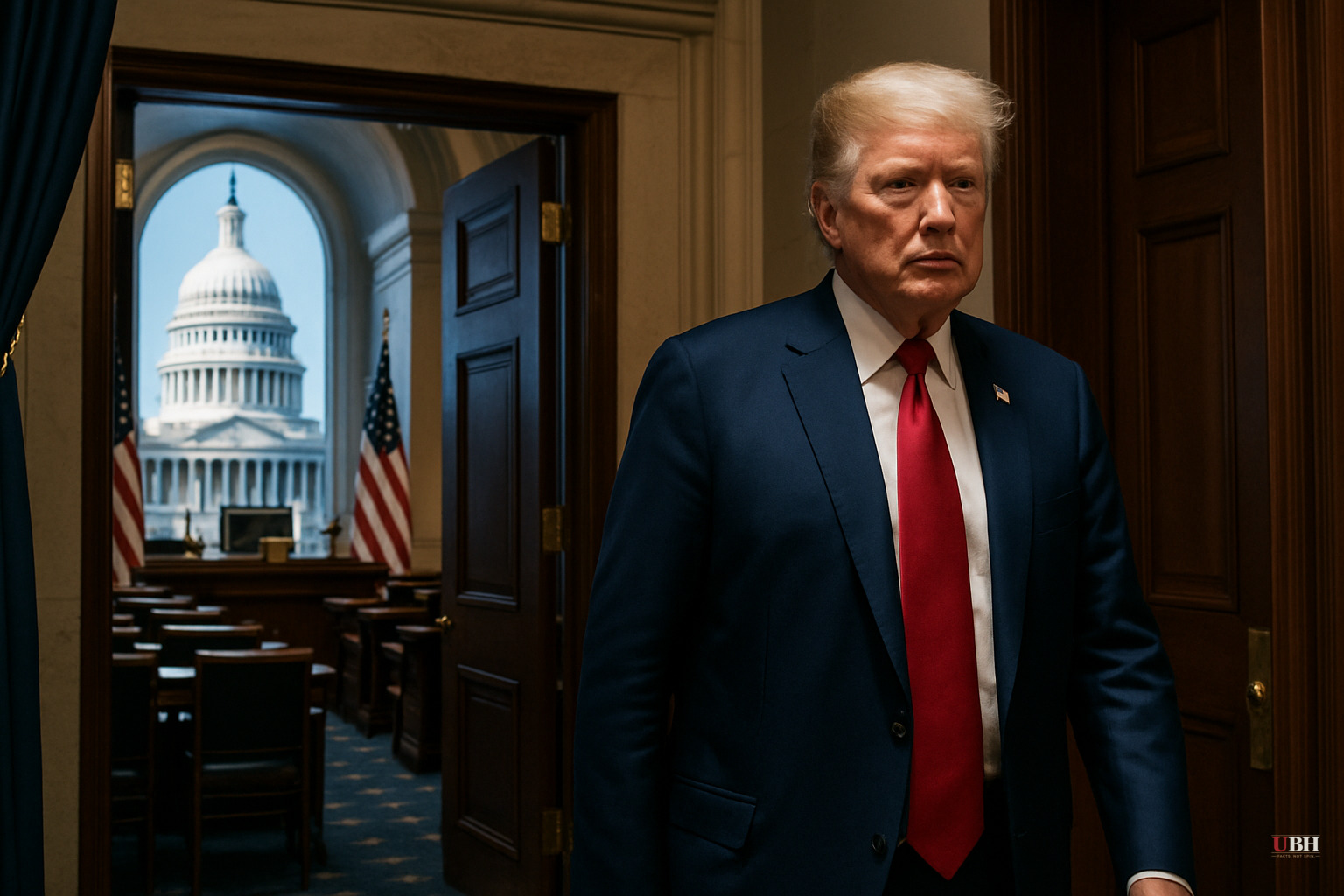
Trump Went to the Situation Room Friday. Here's What He Demanded.
President Donald Trump on Friday morning posted his conditions for an Iran deal directly to Truth Social — then announced he was walking into the Situation Room to make a "final determination."
According to CNBC, Trump's list of non-negotiables is blunt and specific: Iran must never develop a nuclear weapon. The Strait of Hormuz must be "immediately open" to unrestricted shipping traffic. Enriched nuclear material from sites destroyed in last year's attacks will be "unearthed" by the U.S. in coordination with Iran and the International Atomic Energy Agency — then destroyed. And "no money will be exchanged, until further notice."
Sanctions relief — the carrot Iran has always wanted — is off the table for now.
What's Actually Agreed To — And What Isn't
U.S. and Iranian negotiators tentatively reached a 60-day memorandum of understanding extending the ceasefire and launching broader nuclear talks, according to Fox News. But that agreement still requires Trump's final approval and has NOT been signed.
Trump himself acknowledged the gap. "So far, they haven't gotten there. We're not satisfied with it, but we will be — either that or we won't," he said at a Wednesday Cabinet meeting, according to PBS News.
Meanwhile, Iranian officials are calling this a "strategic deadlock," according to Fox News. That's Iran publicly signaling it won't budge on enrichment demands.
Trump says a deal is close. Iran says there's a deadlock. A 60-day ceasefire extension sits unsigned on Trump's desk.
The Oman Wildcard
While negotiations grind, Trump torched a critical diplomatic relationship this week. At Wednesday's Cabinet meeting, when asked about Oman and Iran potentially co-managing Strait of Hormuz transit fees, Trump said: "Oman will behave just like everybody else, or we'll have to blow 'em up. They understand that. They'll be fine."
Oman is a longtime U.S. ally and has served as the primary back-channel between Washington and Tehran throughout this entire conflict.
Treasury Secretary Scott Bessent followed up Thursday with a formal warning, posting on X that the U.S. Treasury would "aggressively target any actors involved — directly or indirectly — in facilitating tolls for the Strait."
According to CNBC, the Strait of Hormuz handles roughly 20% of the world's global oil traffic. Brian Katulis, senior fellow at the Middle East Institute, called U.S. threats against Oman a "highly unusual change in posture" given the country's critical geographic and diplomatic role.
Trump threatened to bomb the one country that's been quietly keeping this negotiation alive.
Political Pressure From Both Sides
Left-leaning outlets are focusing heavily on the political pressure angle — specifically that midterm elections are six months out and Republicans are nervous about fuel prices and economic unease. PBS News ran a lengthy treatment of whether the midterms are driving Trump's timeline.
Trump addressed this directly at the Cabinet meeting: "They thought they were gonna outwait me. You know, 'We'll outwait him. He's got the midterms.' I don't care about the midterms."
Right-leaning coverage, specifically Fox News, gave significant airtime to Mark Levin, who said his radio audience "overwhelmingly" opposes any deal and wants the Iranian regime destroyed — not negotiated with. That's a real political pressure point on Trump from his own base.
The midterm clock is real. So is the conservative base pressure. Neither changes the core problem: Iran has enrichment capability, the Strait is partially blocked, and a 60-day extension is NOT a peace deal.
Bessent Issued a Deadline Too
Treasury Secretary Bessent made it clear on Thursday: "We do not have unlimited patience." According to Fox News, Bessent warned that if Trump determines a peace agreement isn't reachable, escalation follows.
Trump and Bessent are both signaling Friday as a pressure point. Whether it's a real deadline or leverage theater remains unclear.
What Comes Next
Trump is in the Situation Room. He has a list of demands. Iran is calling it a deadlock. The one country helping broker the deal just got threatened with military strikes. The 60-day ceasefire extension that markets already rallied on has NOT been approved.
For Americans watching gas prices, the stakes are clear: the Strait of Hormuz handles a fifth of the world's oil supply. If this falls apart, energy costs spike. Whatever comes out of that Situation Room meeting Friday will affect pump prices before it hits cable news.
Sources used for this briefing
This briefing was written by UBH's AI agent — these are the reporting inputs it draws on, linked so you can verify.


