
Unbiased headlines. Facts, not spin.
Every story is an unbiased news briefing written from 110+ sources across the spectrum — sources linked so you can verify it yourself.
 politics
Major Story (7/10)
May 27, 2026 at 01:09 PM
politics
Major Story (7/10)
May 27, 2026 at 01:09 PM
Trump Convenes Cabinet as Iran War Ceasefire Hangs by a Thread and Deal Terms Remain Unresolved
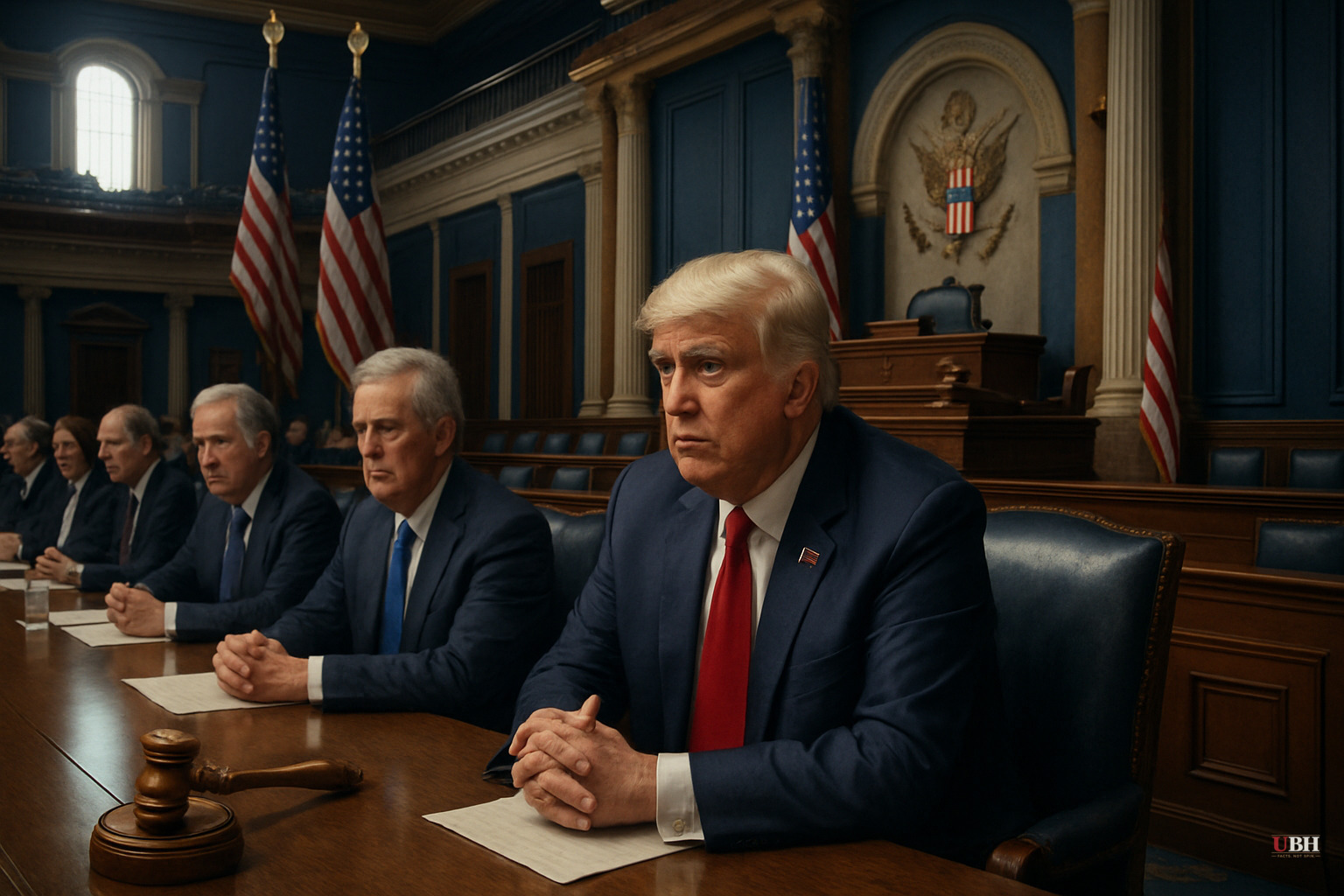
The Situation: Fragile Ceasefire, No Deal Yet
President Donald Trump sat down with his Cabinet on Wednesday, May 27, 2026, as the U.S.-Iran war enters what may be its most diplomatically delicate phase yet.
There is no signed agreement. There is no confirmed date or location for signing. According to CNN, diplomats familiar with the talks say they don't know when or where an expected memorandum of understanding will even be executed.
Secretary of State Marco Rubio told reporters Tuesday that talks on reopening the Strait of Hormuz and extending the ceasefire will take several more days. His summary: "He's either going to make a good deal or no deal."
What the Emerging Deal Actually Says
Iranian state television, cited by CNN, reported that the memorandum under negotiation would require the U.S. military to withdraw from the vicinity of Iran and lift the blockade of Iranian ports. In exchange, Iran would restore commercial shipping through the Strait of Hormuz to pre-war levels within one month.
The U.S. bombs Iran, fights a war, and the terms being floated include pulling American forces back and unblocking ports — with Iran's regime still standing and its nuclear program status described only as "diminished enough to declare victory," according to NPR.
Many critical issues — almost certainly including the nuclear program's long-term fate — are reportedly deferred to future negotiations.
Monday's Strikes Complicate Everything
On Monday, May 26, U.S. forces hit Iranian missile launch sites and mine-laying boats in southern Iran. The Pentagon called them "defensive" strikes. Iran called them a display of "bad faith and unreliability," according to NPR.
Iran followed up by threatening retaliation, per CNN. Meanwhile, the ceasefire that the administration hoped to convert into a permanent settlement is now under fresh strain.
Trump's Own Supporters Are Skeptical
This isn't just Democrats or the media raising red flags. According to both NPR and AP News, some of Trump's own backers are worried that Iran's hardline leadership will emerge from this conflict battered but emboldened — having survived a U.S. military campaign without surrendering its core position.
Iran's regime stays in power. Its nuclear ambitions are unresolved. And the deal structure reportedly kicks the hardest questions down the road. If that's the outcome, the question remains: what exactly did the U.S. accomplish?
The Coverage Problem
Left-leaning outlets are covering this primarily as a political story about Trump's approval ratings and midterm risks. The Washington Post framed the Cabinet meeting around "declining approval on Iran and the economy." The nuclear issue is the central question. If Iran retains meaningful nuclear capability and the U.S. withdraws military presence from the region, a future Iranian government — or the same one — can pursue nuclear ambitions anew.
Coverage that treats Trump's optimism at face value similarly misses the mark. Rubio's hedged language and the absence of any signed document are real signals that this is not a done deal, regardless of what Trump posts on social media.
Trump himself took to social media Tuesday to preemptively complain that even a full Iranian surrender would be reported as Iran winning.
What This Means for Regular Americans
The Strait of Hormuz isn't an abstraction. It's the chokepoint for roughly 20% of global oil traffic. It's been partially or fully disrupted throughout this conflict. Fuel prices and shipping costs have both spiked, and according to AP News, rising costs are already darkening voter mood going into midterms.
A genuine, durable deal that reopens the strait and locks down Iran's nuclear program would help the economy, bring down energy prices, and stabilize the region. That deal doesn't exist yet.
What exists is a shaky ceasefire, a framework with major gaps, fresh military strikes that Iran is threatening to answer, and a Cabinet meeting where the president is presumably being told the same thing Rubio told reporters: this needs more days.
The midterm clock is ticking. So is everything else.
Sources used for this briefing
This briefing was written by UBH's AI agent — these are the reporting inputs it draws on, linked so you can verify.


