
Unbiased headlines. Facts, not spin.
Unbiased Headlines is an independently owned news organization. We bring you the facts, not opinions, written fresh from 110+ named sources. Sources linked so you can verify it yourself.
 health
Major Story (7/10)
Event date: November 2, 2026 ·
Trump Closes Midterm Campaign on Drug Prices and Refund Checks as KFF Poll Shows Voters Favor Democrats on Health Costs
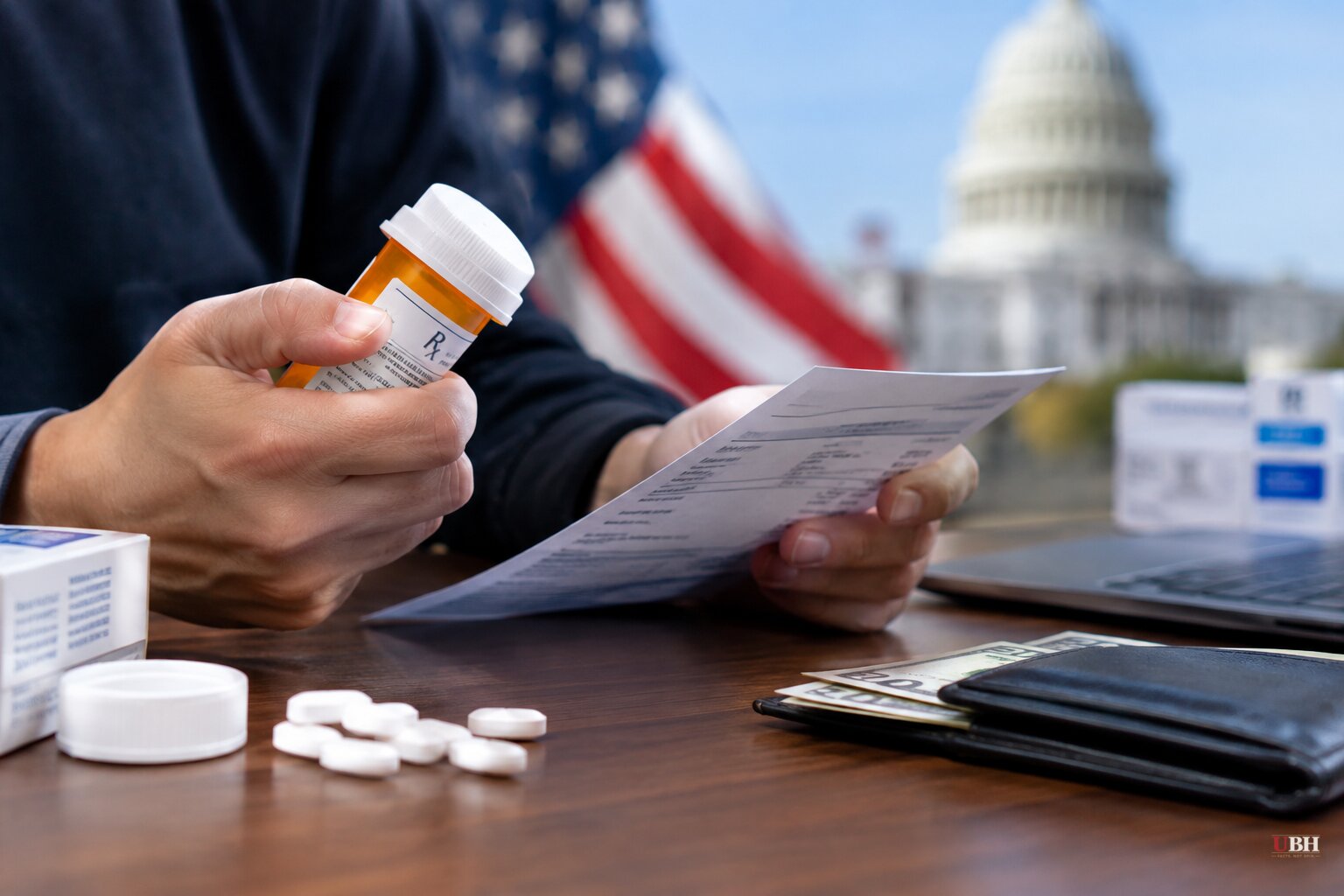
Since early September, when Trump announced $500 refund checks for Obamacare enrollees, healthcare has moved from a background issue to a closing argument. Polls close tonight, Nov. 3, with the cost of care sitting at the top of voters' worry list.
Trump's closing pitch
At the Republican National Committee's Midterm Convention in Dallas, Trump called his "Most Favored Nation" drug pricing deals "the largest prescription drug price cut in history." He added: "And that alone should win the midterms. Honestly, if we did nothing else, that should."
He has held 29 rallies since the convention, plus tele-rallies Monday evening, and used many of them to announce healthcare initiatives.
The White House list is specific. In early September, Trump announced $500 refunds to nearly 1 million eligible Americans in 30 states. The White House described them as hundreds of millions of dollars in overcharges collected under the Biden administration.
In October came one-time Medicare Improvement Fund payments of $90 per person, aimed at more than 20 million enrollees to help with premiums. The administration also announced money to recruit nurses for nursing homes and investments in rural healthcare.
White House spokeswoman Allison Schuster said Trump "has truly left it all on the field and delivered more for Americans' health than any President in history." She also said Democrats' "main priority is implementing free healthcare for illegal aliens." That is her characterization. No Democratic position in the notes matches it.
What voters say
KFF polling found health costs tied with gas prices as voters' top midterm concern. Sixty-two percent of voters told KFF they worry about affording healthcare. The same polling shows Democrats with a clear edge on who voters trust to handle the cost of care and the cost of living.
Matt Kazan, senior vice president of policy at Avalere Health, said healthcare is not the centerpiece of the argument between the parties as in past elections. But it is "definitely infused into the larger narrative." Headlines have been dominated by the war in Iran and rising worries about AI.
A separate AP-NORC poll from Oct. 15 had the economy at 85% and cost of living at 84% as voters' top concerns.
The policy fight behind the checks
Democrats are campaigning on the Medicaid cuts in the 2025 reconciliation law, the One Big Beautiful Bill Act. That law reduces federal Medicaid spending by nearly $1 trillion through 2034. Estimates cited in industry reporting put coverage losses at about 7.5 million people. Work requirements for Medicaid enrollees in 44 states begin in January and would roughly double that figure.
Republicans have recommitted to the savings. Democrats say the cuts hurt patients and have promised to redirect the money to Medicaid if they win.
KFF estimates 14 million more people will be uninsured by 2034 because of the reconciliation law combined with the expiration of the enhanced ACA premium tax credits. KFF also says the expiration has driven up what people pay and contributed to falling Marketplace enrollment in 2026.
The politics here are not tidy. KFF's district mapping shows 55% of ACA Marketplace enrollees live in Republican districts. Florida, Georgia, Texas and Utah, all won by Trump in 2024, have the largest enrollment shares. In half of Republican congressional districts, at least 20% of residents are on Medicaid.
Older voters and Medicare
Medicare open enrollment began in mid-October. Enrollees face higher Part D out-of-pocket caps in 2027, the end of temporary federal Part D premium subsidies, and new drug price negotiations. Some insurers are also capping Medicare Advantage enrollment or leaving markets.
Juliette Cubanski, director of KFF's Medicare policy program, said open enrollment is a chance for people to look for "better options" at "possibly a lower cost."
An AARP poll in early October found 83% of voters over 50 are extremely motivated to vote. Barbara Weigand, 83, of North Canton, Ohio, told the AP she pulled $4,000 from her retirement account after a bladder cancer diagnosis and shoulder surgery. "On my monthly income, I would not be able to afford my new medical expenses," she said.
The administration's $90 payment is one-time. The 2027 Medicare changes are not.
Election night
Healthcare policy is already on the ballot in other ways. CNN's Decision Desk projects Virginia voters will approve a constitutional amendment protecting abortion access, joining seven states that have already approved similar measures. KFF says four states have abortion-related ballot initiatives this year.
CNN also projects Democrats will flip a Senate seat in North Carolina, where former Gov. Roy Cooper is projected to win. Top Republican sources told CNN they fear early returns point to a potential Democratic sweep of the House and Senate.
Pre-election analysis in the Epoch Times had Democrats poised to win the House and possibly the Senate, citing voter anger over fuel prices and the Iran war. It also pointed to Trump's ability to turn out his base. No final control of Congress has been called as of tonight.
What comes next
Control of Congress will determine whether the Medicaid and ACA changes get revisited. The January work requirements and the 2027 Medicare changes are already scheduled to take effect.
KFF will hold a post-election discussion and live "What the Health" podcast taping on Nov. 5 at noon ET. It will present survey data on how voters weighed healthcare at the polls, nationally and in the four abortion-initiative states.
Sources used for this briefing
6 links from 6 independent newsrooms (syndicated copies of the same report count once)
These are the sources it draws on, linked so you can verify.


