
Unbiased headlines. Facts, not spin.
Every story is an unbiased news briefing written from 110+ sources across the spectrum — sources linked so you can verify it yourself.
 politics
Major Story (7/10)
July 8, 2026 at 01:08 PM
politics
Major Story (7/10)
July 8, 2026 at 01:08 PM
Trump-Appointed Federal Judge Blocks DOJ Subpoena for Names of 2020 Georgia Election Workers, Cites Expired Statute of Limitations
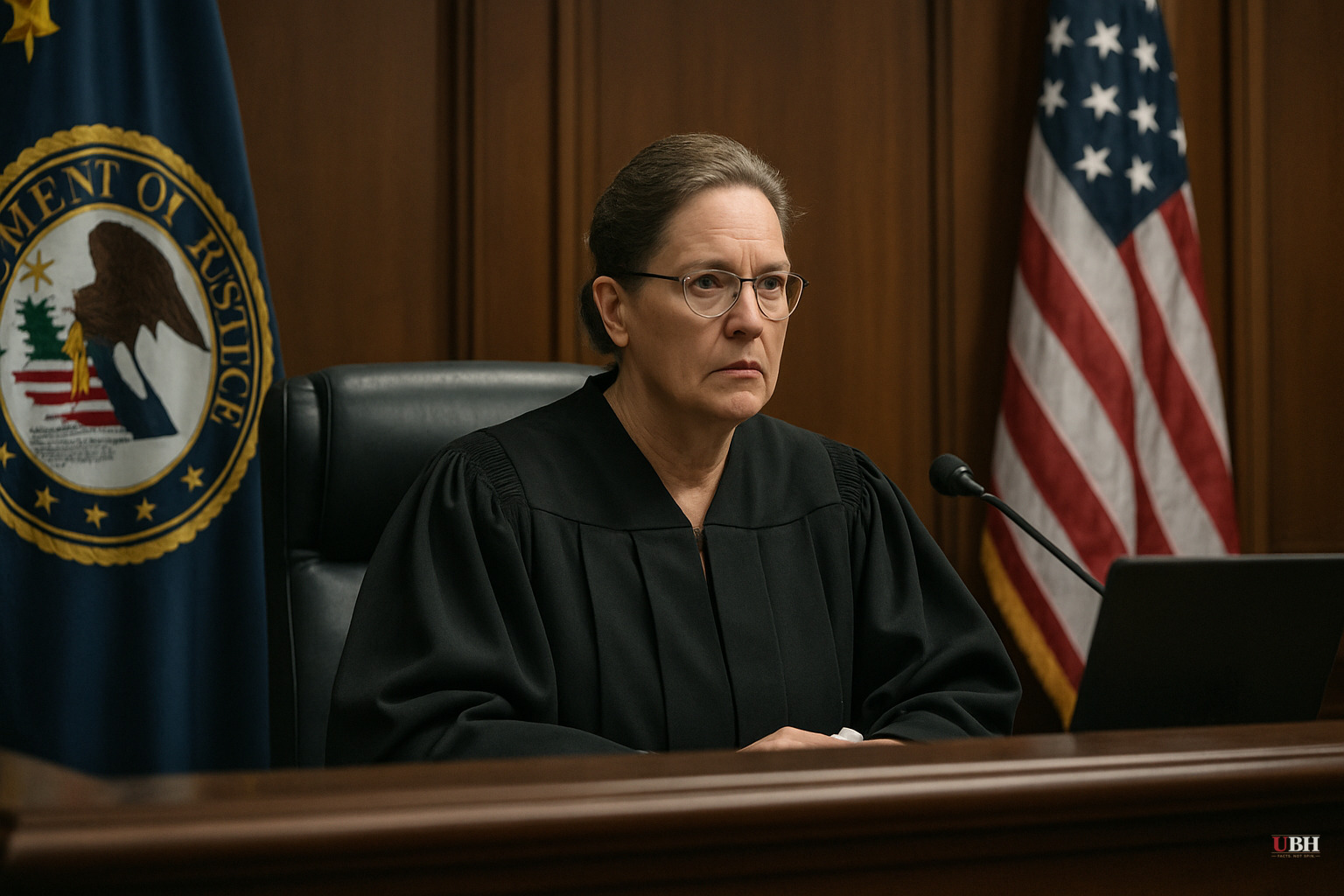
A Trump Judge Told the DOJ No
U.S. District Judge William Ray II, nominated to the federal bench by President Trump himself, ruled Tuesday that the Justice Department's grand jury subpoena demanding the names, home addresses, emails, and phone numbers of Fulton County's 2020 election workers was unreasonable and unenforceable.
"Fulton County is under no obligation to comply," Ray wrote, according to Democracy Docket's July 7 report by Jacob Knutson.
Ray called the breadth of the DOJ's request "staggering" and concluded it served no valid investigative purpose.
What the DOJ Actually Asked For
In April, the Justice Department served a grand jury subpoena on Fulton County seeking identifying information for every county employee and volunteer poll worker who participated in the 2020 election. The request covered hundreds, potentially thousands, of people.
This came months after the FBI executed a search warrant at Fulton County's main election facility in January and seized hundreds of boxes of original 2020 ballots and related documents, according to PBS/AP. A separate federal judge denied Fulton County's request to get those materials returned in May.
The DOJ described the subpoena as "the next step in the normal investigative process," seeking "records identifying persons with relevant knowledge," according to PBS. DOJ lawyer William McComb argued in court that the statute of limitations question was premature. The whole point of an investigation, he said, is to figure out what charges can be brought.
The Statute of Limitations Problem
Ray rejected that argument based on specific legal reasoning.
"The statute of limitations for any possible crime arising from the 2020 Election has long expired," he wrote, as reported by both PBS and Democracy Docket. An investigation aimed at certifying conduct from 2020 cannot produce a valid indictment. Without the possibility of charges, Ray found the subpoena had no legitimate investigative use.
"An investigation of alleged criminal conduct of anyone that may have led to the certification of the 2020 Election in Georgia would not be a legitimate use of the Grand Jury and its subpoena power," he wrote.
Ray also addressed the broader grand jury process directly. The fact that a grand jury issued the subpoena does not give the DOJ unlimited authority. "That does not give the DOJ the right to use the Grand Jury to do whatever the DOJ wants," he wrote.
Fulton County's Argument
Fulton County's lawyer, Kamal Ghali, argued that the subpoena was designed to "target, harass and punish the President's perceived political opponents" and that it was "grossly overbroad and untethered to any reasonable need," according to PBS. Ghali also warned that forcing disclosure would chill future election worker participation.
Ray agreed on the chilling effect. Even setting aside the statute of limitations, releasing this personal data "would surely impact Fulton County" by discouraging people from working future elections. He specifically noted that volunteers who gave their time during the COVID-19 pandemic "should be valued and are necessary for successful elections in Fulton County going forward."
The DOJ's Position
Federal investigators sometimes need to gather information before they know exactly what charges are available. Identifying witnesses and building an evidentiary record is standard investigative practice. McComb's courtroom argument reflected normal prosecutorial procedure: the scope of possible charges remains undetermined until the investigation concludes.
Additionally, not all potential conduct connected to the 2020 election necessarily falls under the same statute of limitations timeline. If the DOJ believed some related conduct extended into 2021 or beyond, that might theoretically keep certain charges alive.
Ray acknowledged the general validity of grand jury investigative power. In this specific case, however, he found that low demonstrated need, high burden on disclosure, and no legally viable path to charges from the 2020 election cycle combined against the subpoena's validity.
What Makes This Ruling Unusual
Ray was put on the federal bench by Trump. The Washington Post noted that the judge called the DOJ's request "staggering," not a phrase that signals close deliberation. Democracy Docket's report noted that Ray found the subpoena was "clearly motivated" by Trump's fraud claims about Fulton County.
President Trump has alleged for years, without verified evidence, that widespread fraud in Fulton County cost him Georgia's electoral votes in 2020. No verified evidence of such fraud has been presented in court proceedings arising from the 2020 election.
The FBI's seizure of the ballots themselves remains in federal custody. That material has not been returned, and the investigation into Fulton County's 2020 election operations, according to Democracy Docket, has included reassigning hundreds of FBI analysts to the Atlanta Field Office to review the seized documents.
What Happens Next
The DOJ has not publicly announced whether it will appeal Ray's ruling. The underlying criminal investigation appears ongoing, with the seized ballot materials still in federal possession. Whether prosecutors can build a viable case from documents alone, without the witness-identification information the subpoena sought, is the central unresolved question the ruling leaves open.
Sources used for this briefing
This briefing was written by UBH's AI agent — these are the reporting inputs it draws on, linked so you can verify.


