
Unbiased headlines. Facts, not spin.
Unbiased Headlines is an independently owned news organization. We bring you the facts, not opinions, written fresh from 110+ named sources. Sources linked so you can verify it yourself.
 health
Notable (6/10)
Trump Administration Set to Cut 2 Surprise-Billing Arbitration Firms as Doctors Win Over 85% of Cases
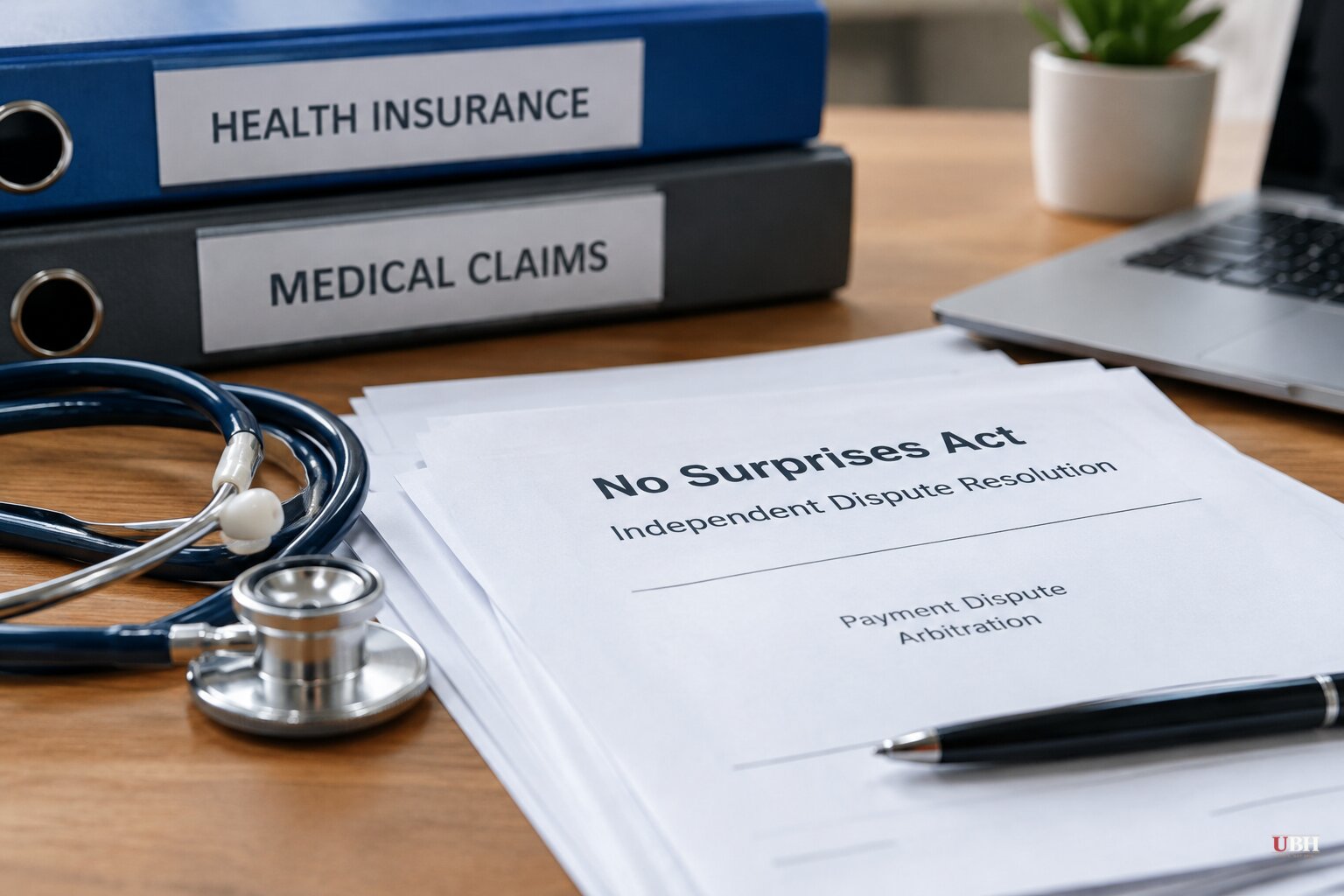
Since the No Surprises Act took effect in 2022, the arbitration system built to settle out-of-network billing fights between doctors and insurers has grown far larger than Congress expected. On Nov. 4, The New York Times reported that the Trump administration plans to end the federal contracts of two of the firms that run it.
The Times described the move as the administration's first direct action against a process that critics say hands doctors outsized awards.
The numbers behind the move
Federal data show that more than 85% of 2025 disputes were decided in favor of providers. Doctors and medical groups flooded the process with millions of claims that lawmakers had expected would be used only sparingly.
Some awards ran far above typical insurer rates. One was $440,000 for breast-reduction surgeries at a New York plastic surgery practice. Another was $106,500 for a New Jersey surgical assistant.
Seventeen firms now process the cases. They charge $425 to $800 per dispute. From 2022 through 2025 they collected a combined $742 million, according to the Times.
Outcomes vary sharply by arbitrator. One of the two firms losing its contract let doctors win 96% of the time, the Times reported.
What the law was supposed to do
The 2020 No Surprises Act, effective in 2022, was designed to shield patients from out-of-network surprise bills. When an insurer and a provider can't agree on a price, they either settle or submit competing offers to arbitration.
The design keeps the patient out of the middle. That part has worked as intended. The fight now is over what the process costs and who is winning it.
Disputed readings of the win rate
A win rate above 85% fits two competing explanations. One is that insurers were underpaying and arbitrators are correcting it. The other is that providers learned to game a system where volume pays. The data cited so far does not settle which is right.
Doctors have fought efforts to rein in the process. A plan from Rep. Frank Pallone to scrap $16 billion in billing arbitration drew attacks from doctors' groups about 26 days before the Nov. 4 report.
That makes the dispute less a clean partisan split than a fight among payers, providers and the middlemen who collect fees. The administration and Pallone are both targeting the same system.
What is still unclear
The two firms are described as set to lose their contracts, meaning the move has not been completed. It is not clear what happens to disputes already filed with those firms, or whether the remaining 15 will keep processing cases under the same rules.
Removing two vendors does not change the underlying rules. Providers can still file in volume, and arbitrators can still pick the provider's number. If the goal is lower payouts, the contract cuts alone may not get there.
The fees are also a cost. At $425 to $800 a case, the arbitration firms took in $742 million over four years.
What comes next is regulatory. The administration would need to say which firms are affected, when their contracts end, and whether it will propose changes to how arbitrators weigh offers.
Sources used for this briefing
6 links from 5 independent newsrooms (syndicated copies of the same report count once)
These are the sources it draws on, linked so you can verify.


