
Original briefings. Zero spin.
Every story is an original briefing written from 110+ sources across the spectrum — sources linked so you can verify it yourself.
 politics
Major Story (8/10)
September 9, 2026 at 01:27 PM
politics
Major Story (8/10)
September 9, 2026 at 01:27 PM
Trump Administration Proposes Dropping Race, Sexual Orientation Questions and Excluding Undocumented Immigrants From 2030 Census Count
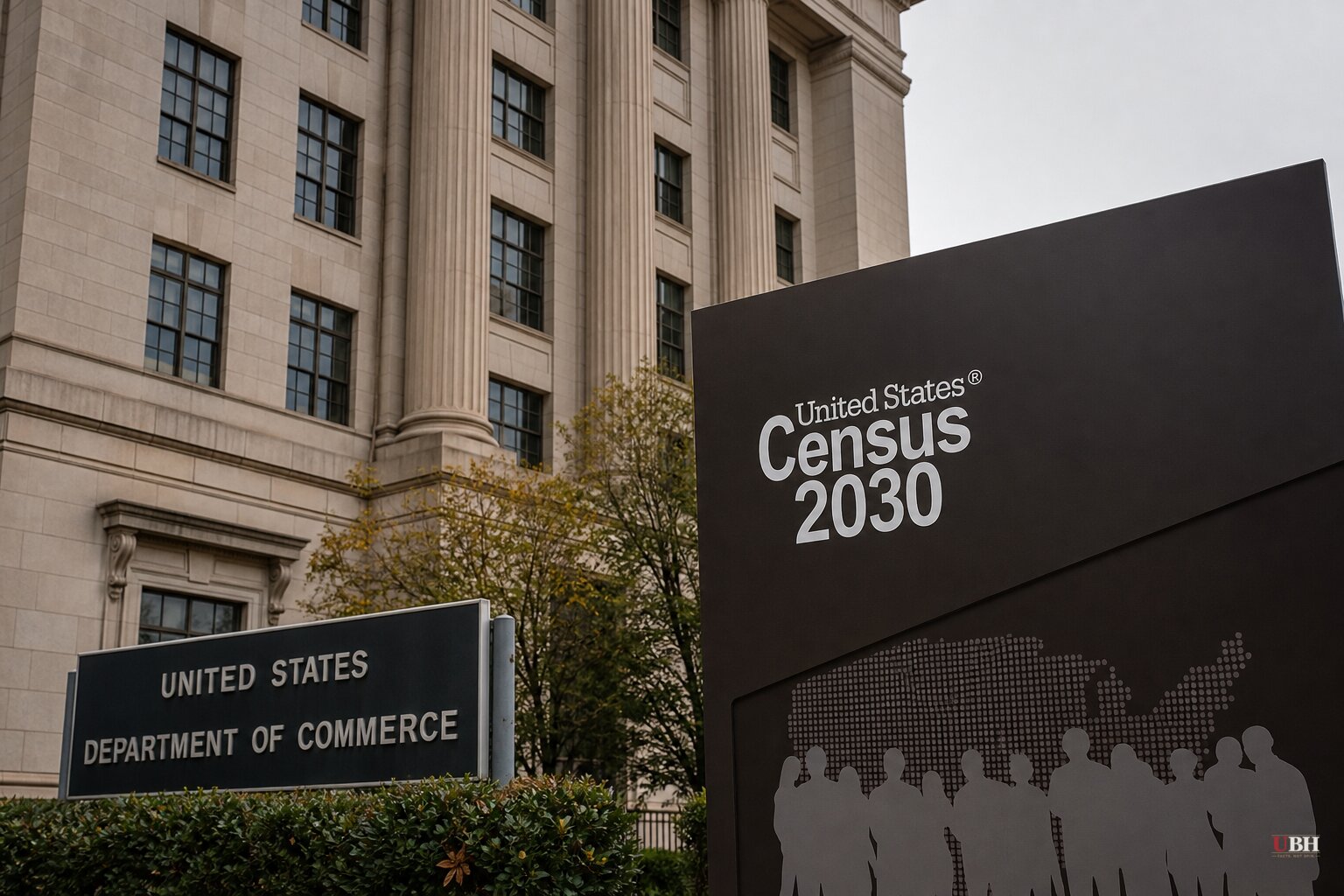
The Trump administration wants to rewrite what the census asks and who it counts, and the changes would ripple into how Congress, state legislatures and federal funding get divided up for the next decade.
According to NPR, the Commerce Department released its proposal online Wednesday. It calls for excluding non-citizens who lack a green card from the apportionment count, the population total the 14th Amendment says must include the "whole number of persons in each state." No census in American history has excluded residents based on immigration status, NPR reported. The proposal also drops the race and ethnicity question, which has been on the census since the first count in 1790, and bans any question about sexual orientation.
A report on the final question list is due to Congress by April 1, since lawmakers have final constitutional authority over what the census asks. NPR notes the proposal traces back to an August 2025 Trump social media post directing officials to build a "new" census amid a gerrymandering fight the president himself kicked off.
The case for it, and the number that undercuts it
The Daily Signal, in an opinion piece by Jay Rogers, makes the clearest argument for narrowing who counts: representation should track people who can actually be represented in a vote, not just anyone standing in the country on Census Day. Rogers compares it to corporate governance, where you don't get a board seat for being in the lobby.
But Rogers' own numbers cut against the loudest version of that argument. Citing the Center for Immigration Studies, he writes that all foreign-born residents combined, legal and illegal, shifted roughly 17 House seats after the 2020 census. Isolate illegal immigration alone, and that number drops to two seats, with academic modeling in PNAS Nexus reaching a similar conclusion going back to 1980. Whatever the merits of the underlying principle, the idea that undocumented residents are handing entire blocs of House seats to one party isn't supported by the data Rogers himself cites.
Civil rights groups and researchers, per NPR, warn that dropping race and ethnicity questions would gut information used to enforce the Voting Rights Act and detect discrimination, regardless of what the apportionment fight produces. The proposal also faces a direct constitutional hurdle, since the 14th Amendment's "whole number of persons" language has never before been read to exclude anyone by immigration status, and any administration in 2029 could scrap the plan entirely.
A separate, more concrete integrity problem
Independent of the 2030 proposal, the Census Bureau has already had a rockier year. Jed Kolko of the Peterson Institute for International Economics writes that the bureau published a brief on August 18 claiming, with "high confidence," that more than 24,000 voter records from the 2020 election represented non-citizens. Kolko says the brief broke from standard bureau practice: it named no authors and listed no contacts or acknowledgements, unlike normal Census research releases.
Kolko, who says he still trusts the bureau's core economic data like jobs and inflation numbers, argues this kind of unsigned, unattributed release represents political encroachment on the bureau's technical credibility, separate from ordinary staffing cuts or budget attrition. That's a documented process concern, not an accusation that the underlying noncitizen-voting numbers are false. Whether the 24,000-record figure holds up under normal peer review is an open question no source here resolves.
The redistricting fight running in parallel
The census proposal isn't happening in a vacuum. Missouri's Supreme Court, per The Guardian, unanimously blocked a Trump-backed congressional map from being used in November, ruling that a valid referendum petition means the old, 2020-census-based map stays in effect for this year's midterms. Separately, per a SCOTUSblog headline tracked by the Census Project, Justice Brett Kavanaugh declined Missouri's request to let the new map take effect anyway. Republicans had hoped the new lines would help them hold their narrow House majority.
None of that is the same fight as the 2030 census rules. But both are pieces of the same broader redistricting battle Trump set in motion, and both will likely land in front of federal courts before they're settled. The Missouri ruling can still be appealed to the U.S. Supreme Court. The census proposal hasn't even been formally published in the Federal Register yet, meaning the legal challenges over apportionment and the 14th Amendment haven't started.
Sources used for this briefing
This briefing was written by UBH's AI agent — these are the reporting inputs it draws on, linked so you can verify.


