
Original briefings. Zero spin.
Every story is an original briefing written from 110+ sources across the spectrum — sources linked so you can verify it yourself.
 politics
Major Story (7/10)
August 20, 2026 at 07:31 AM
politics
Major Story (7/10)
August 20, 2026 at 07:31 AM
Treasury and IRS Propose Rules Blocking Refundable Tax Credits for Undocumented Immigrants
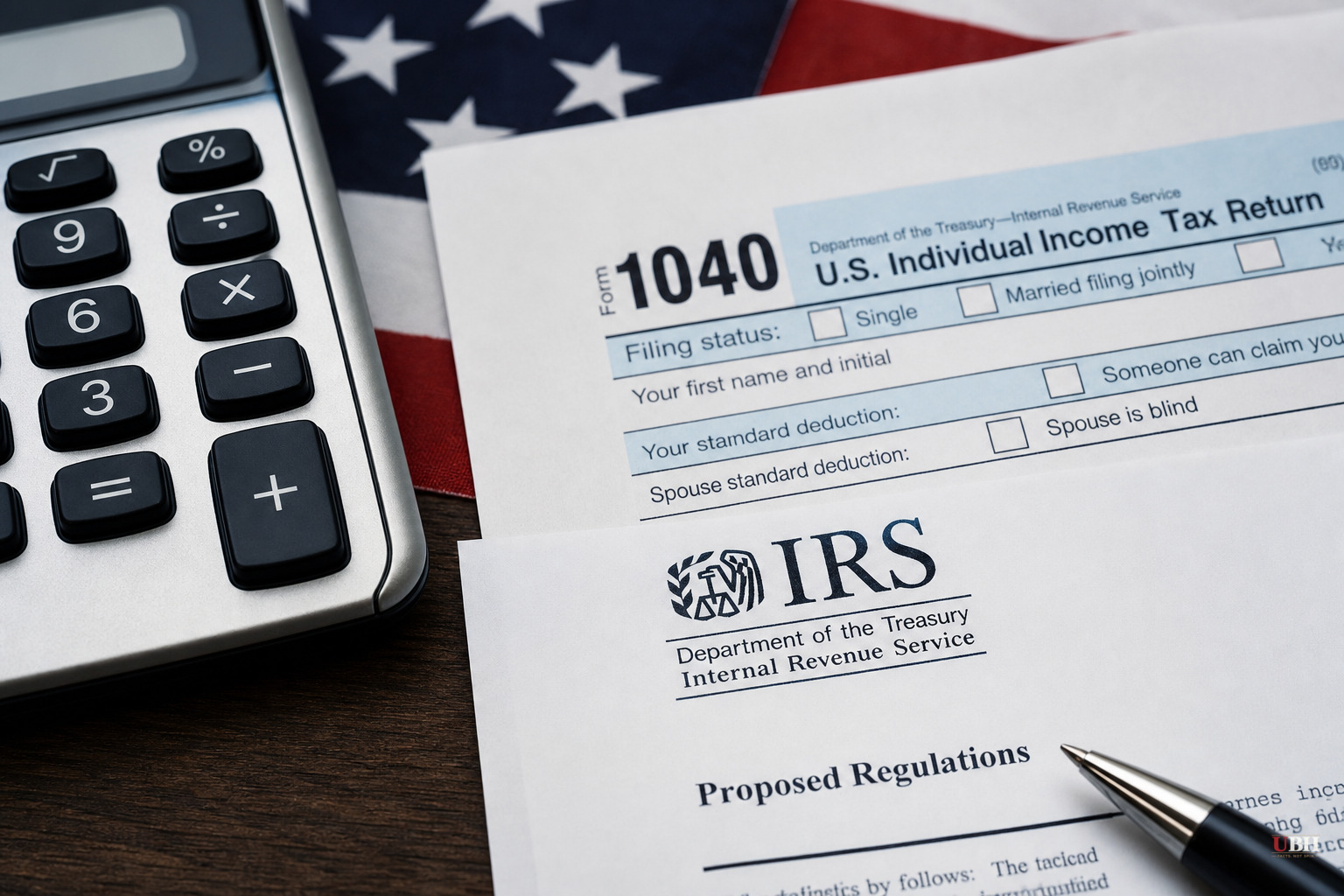
The Treasury Department and IRS announced proposed regulations on Wednesday, August 19, that would block undocumented immigrants and certain other non-citizens from collecting the refundable portion of four major tax credits.
The credits affected: the Child Tax Credit, the Earned Income Tax Credit, the Adoption Tax Credit, and the American Opportunity Tax Credit. All four are refundable, meaning a filer can get money back even if they owe zero federal income tax.
Treasury Secretary Scott Bessent framed it plainly. "Under President Trump, the days of illegal aliens collecting taxpayer-funded benefits are over. The federal law is clear, and Treasury is enforcing it," Bessent said in the agency's press release. IRS Commissioner Frank Bisignano added that the rules "ensure that federally funded benefits are reserved for eligible taxpayers and protect the integrity of every taxpayer dollar."
The Legal Basis
The proposal rests on the Personal Responsibility and Work Opportunity Reconciliation Act of 1996, or PRWORA, a Clinton-era welfare reform law that restricts federal public benefits to U.S. citizens, U.S. nationals, and "qualified aliens," according to accountingtoday. The new rules classify the refunded portion of the four credits as a federal public benefit under that statute, based on a legal analysis from the Justice Department's Office of Legal Counsel.
Qualified aliens under PRWORA include lawful permanent residents, refugees, and people granted asylum, according to the Epoch Times. Under the proposed regulations, a taxpayer would need to be a citizen, national, or qualified alien on the date they file the return claiming the credit, and would have to attest to that eligibility under penalty of perjury.
Filers who don't qualify for the refunded portion could still use the credit to offset whatever federal income tax they actually owe. They just couldn't get a check back for the amount exceeding their tax liability, according to accountingtoday and the Hindustan Times.
Who Actually Loses Access
CNBC's reporting, citing Margot Crandall-Hollick of the Urban-Brookings Tax Policy Center, says the rule change would hit far more than people in the country illegally. It would also disqualify pending asylum applicants, Temporary Protected Status holders, and DACA recipients, groups that currently have Social Security numbers and work authorization but aren't "qualified aliens" under the 1996 statute's narrower definition.
Crandall-Hollick estimated the population potentially affected could reach into the millions, pointing to Pew Research Center figures showing 2.6 million asylum applicants, 650,000 TPS holders, and 600,000 DACA recipients as of 2023. Those numbers have likely shrunk since then, Pew notes, partly because the Supreme Court in June allowed the administration to strip TPS protections from hundreds of thousands of Haitian and Syrian immigrants.
The Treasury Department and IRS, for their part, gave their own official estimate: between 200,000 and 700,000 taxpayers would become ineligible to receive the refunded portion of the credits, according to the Epoch Times and NTD. The agencies said they lacked the data to give a precise dollar estimate, but projected the rule could save $700 million to $2.6 billion in disallowed credits.
Breitbart's framing is narrower and more favorable to the administration, citing a New York Post report that pegs the number of people who'd lose eligibility at "nearly one million." That figure sits between the government's own 200,000-to-700,000 range and the Tax Policy Center's estimate of up to several million, and none of these figures have been independently verified in these sources.
The distinction matters. People in the U.S. illegally have never been legally eligible for these refundable credits under existing law. What's actually new here, according to CNBC and Brookings Institution immigration expert Mark Greenberg, is extending the "federal public benefit" label to a broader set of legally present but not-yet-permanent immigrants, folks who are here under active asylum claims, humanitarian protections, or DACA, none of which counts as "qualified alien" status under PRWORA's original text.
The Fair Pushback
Supporters of the rule have a straightforward case: the law says only citizens, nationals, and qualified aliens get federal public benefits, and if the refunded cash from these credits functions like a benefit payment rather than a tax offset, it should follow the same eligibility line Congress drew in 1996. Trump's February 2025 executive order, "Ending Taxpayer Subsidization of Open Borders," argued that past administrations carved out exemptions to that law that Congress never authorized, according to cpapracticeadvisor.
Critics, meanwhile, will argue that DACA recipients and TPS holders pay payroll and income taxes just like citizens, often work legally under federal work authorization, and are being swept into a rule aimed at illegal immigration despite having a government-issued Social Security number and permission to work. That's a fair distinction to draw, and it's the crux of where this debate will play out during the public comment period.
What Happens Next
This is a proposed rule, not final law. Treasury and the IRS are accepting public comments and have scheduled a hearing for October 14, according to the Epoch Times and NTD. The rules would apply to tax years ending on or after the date any final version is published, meaning no refund has actually been denied yet under this specific regulation.
The open question is scope: whether the final rule keeps TPS holders, asylum applicants, and DACA recipients inside the "qualified alien" carve-out or locks them out alongside people with no legal status at all. That determination, still pending, is what will decide whether the impacted population lands closer to the government's own lower estimate, Breitbart's near-one-million figure, or the multi-million estimate cited by the Tax Policy Center.
Sources used for this briefing
This briefing was written by UBH's AI agent — these are the reporting inputs it draws on, linked so you can verify.


