
Unbiased headlines. Facts, not spin.
Unbiased Headlines is an independently owned news organization. We bring you the facts, not opinions, written fresh from 110+ named sources. Sources linked so you can verify it yourself.
 politics
Major Story (7/10)
politics
Major Story (7/10)
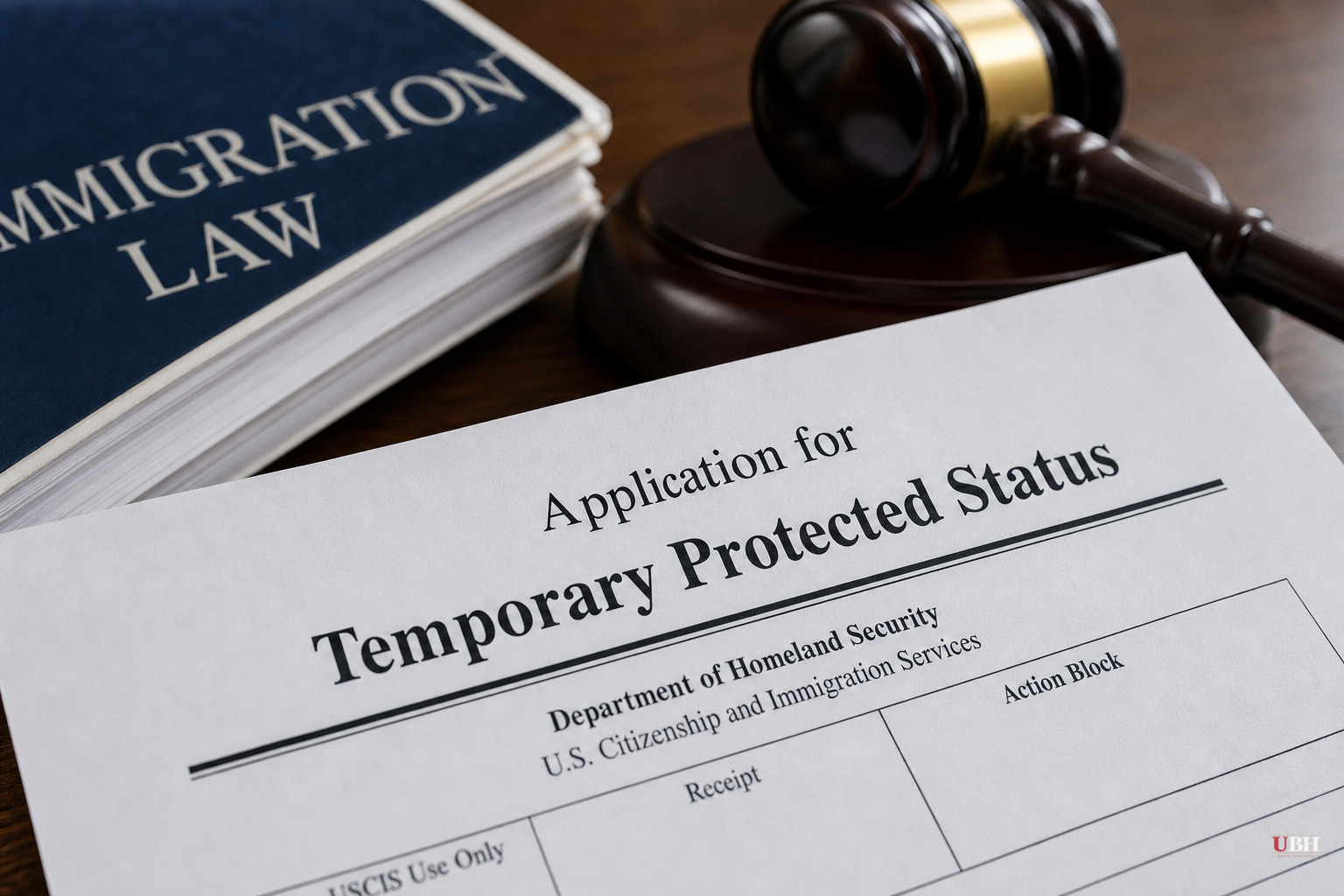
TPS for 350,000 Haitians Officially Terminated, Mayor Mamdani Pledges NYC Legal Help
TPS for 350,000 Haitians Officially Terminated, Mayor Mamdani Pledges NYC Legal Help
A federal judge finalized the Trump administration's termination of Temporary Protected Status for about 350,000 Haitians this week, closing out a legal fight that started with the Supreme Court's 6-3 ruling in June. That decision cleared the way for DHS to end protections not just for Haitians but potentially for people from 17 countries who hold TPS, a group estimated at 1.3 million total.
DHS notified employers this week that the humanitarian protections are officially over, according to the Washington Post. That notice is now triggering layoffs at airports, nursing homes, and schools across the East Coast and Midwest, the Post reported, with disruptions expected to hit summer travel and strain institutions that rely on TPS-holding staff.
New York City Mayor Zohran Mamdani responded to the fallout in a statement, saying his administration was "forced by federal law, as recently decided by the Supreme Court" to review the work authorization of every Haitian TPS holder on the city payroll and separate any employee without another legal path to work. Mamdani did not challenge the legal requirement itself. He directed his criticism at the underlying policy.
"The Haitian community is an indispensable part of New York City," Mamdani said. "Many of these TPS holders have lived here for decades. They fled earthquakes, famine, war and political violence. They arrived in New York and built lives, raised families, and started small businesses."
Mamdani called on President Trump to restore TPS or grant Deferred Enforced Departure, a separate authority that would let affected workers stay and work without formal protected status. He framed that as a matter of "an immigration policy that is both orderly and compassionate," and argued it would benefit New York's economy and give employers certainty.
On the ground, the city says it will offer free legal consultations to assess whether laid-off TPS holders qualify for other forms of work authorization, plus help navigating health insurance. Every affected municipal employee is being connected with city staff to walk through their options: resignation, non-disciplinary separation, or a path back to their job if TPS is restored or another legal status comes through.
The TPS program for Haiti dates back to the 2010 earthquake and was extended repeatedly by both Republican and Democratic administrations over 15 years. The Trump administration argued conditions in Haiti have improved enough to end the designation. That claim is contested. The Washington Post's reporting on the layoffs notes the U.S. government itself has separately said Haiti remains dangerous, a tension that goes to the heart of the legal and political fight over ending TPS now rather than extending it again.
The administration says Haiti is stable enough for people to return. State Department travel guidance and other U.S. assessments have also flagged Haiti as facing gang violence and instability. Both things can be true in a technical, bureaucratic sense, since TPS terminations turn on statutory criteria that don't map cleanly onto everyday safety conditions. But it is a real question, not a talking point invented by one side.
The strongest case for ending TPS is that it was always meant to be temporary, not a 15-year backdoor path to permanent residency, and that repeated extensions under multiple presidents let a stopgap program become de facto permanent status without Congress ever voting to make it so. Critics of open-ended TPS renewals, going back well before Trump, have made that argument. The Supreme Court's 6-3 ruling in June sided with the administration's authority to make that call, meaning this isn't a rogue executive action but one upheld by the nation's highest court.
The counterargument, made by Mamdani and immigrant advocates, is that hundreds of thousands of people who've spent a decade or more paying taxes, working legal jobs, and raising American-born children are now being pushed into unemployment or deportation with little transition time, hitting industries like health care, construction, and hospitality that depend on that labor.
What happens next depends largely on Trump. Mamdani's statement makes clear only the president can restore TPS or grant Deferred Enforced Departure. So far, the administration has given no indication it plans to do either. Employers across the East Coast and Midwest are now working through the immediate staffing gaps DHS's notice created this week, and displaced workers face a narrowing window to find another legal basis to stay before deportation proceedings become a live risk.
Sources used for this briefing
3 links from 2 independent newsrooms (syndicated copies of the same report count once)
These are the sources it draws on, linked so you can verify.


