
Unbiased headlines. Facts, not spin.
Every story is an unbiased news briefing written from 110+ sources across the spectrum — sources linked so you can verify it yourself.
 health
Notable (5/10)
September 17, 2026 at 04:54 AM
health
Notable (5/10)
September 17, 2026 at 04:54 AM
Three Men Charged After Florida Student's Nonconsensual Videos Went Viral Through College 'Burner' Accounts
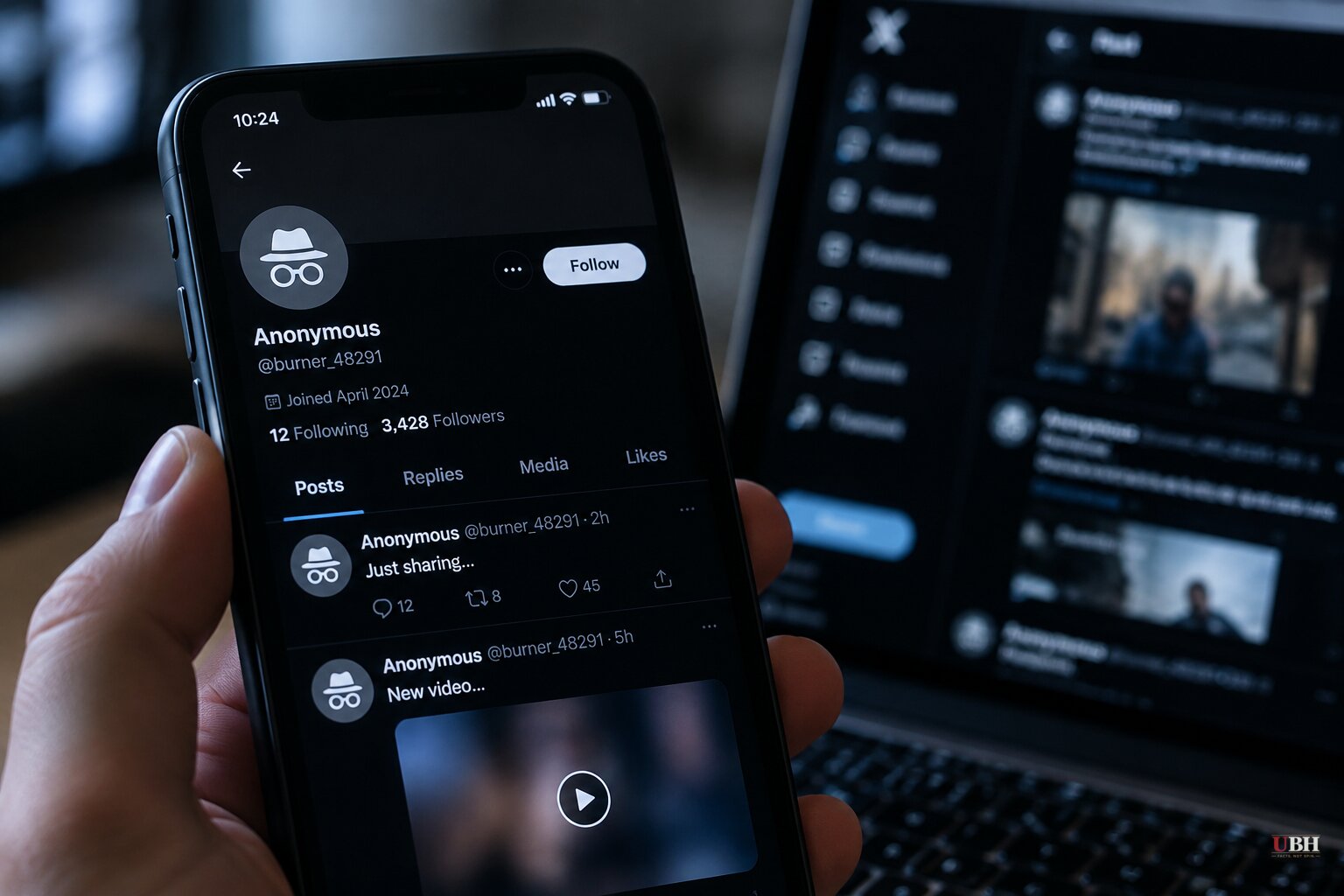
Maddie Kowalski was a 19-year-old sophomore at the University of Florida last November when someone posted a compilation of nonconsensual sexual videos of her on X. She says she never consented to being filmed, let alone shared. Within a day, according to Wired, #MaddieKowalski was trending nationwide and the footage had been viewed more than 8.5 million times. The accounts that spread it belong to what Wired senior cultural reporter EJ Dickson calls the "burnerverse," a loose, sprawling network of anonymous college sports fan accounts on X. Dickson told NPR's Juana Summers that most burner accounts are harmless, posting memes about recruits and rival teams. But she said a faction within that world is "pretty violently racist, misogynistic and antisemitic" and has turned doxing young women into a kind of sport. Gainesville police have now charged three men with sexual cyberharassment tied to Kowalski's case, according to Wired and the Indiana Daily Student. Kamran Ahmed, 19, faces a third-degree felony charge for allegedly cyber-harassing for financial gain. Brendan Pitfield has pleaded not guilty to a misdemeanor charge. Jacob Gomberg, a pitcher who transferred to Indiana University this summer after two seasons at Florida, faces a first-degree misdemeanor stalking charge in Alachua County, which carries up to a year in jail and a $1,000 fine. A civil complaint Kowalski filed against Gomberg in federal court on August 26 alleges he "intentionally" published one or more of the recordings through pseudonymous burner accounts, including one called "MadDogTime." According to the Indiana Daily Student, investigators built the case the same way tech crimes usually get cracked. They subpoenaed X for records tied to the account, got an email address, subpoenaed Google for the name, phone number and birth date behind that email, and had University of Florida police confirm the phone number and birth date matched Gomberg. Through an attorney, Gomberg declined to comment to Wired. Pitfield's not-guilty plea means the misdemeanor charge against him is contested and unresolved. An Indiana Athletics spokesperson said the school became aware of the charges and turned the matter over to its Office of Civil Rights Compliance, stating the university "take[s] these allegations very seriously." That review is ongoing; no discipline has been announced. The University of Florida's own Title IX investigation into Kowalski's case was dropped after about a month. Kowalski says UF told her the video was filmed off campus, which is a separate question from whether the burner accounts distributing it were accessed on campus. The Gainesville police complaint separately alleges Ahmed and Pitfield used university IP addresses to log into their burner accounts. These are two different facts: filming location versus account access location. UF has not publicly reconciled how it weighed the second point when it closed its inquiry. Kowalski also says her sorority's initial response prioritized "the organization's reputation" over her welfare, a claim the sorority has not publicly disputed or confirmed in these reports. Some civil libertarians would push back on treating this as an anonymity problem rather than a criminal-conduct problem. Dickson herself made that distinction to NPR, noting most burner accounts are innocuous fan chatter, not harassment campaigns. The fair version of that argument is that cracking down on anonymous speech broadly would sweep up a lot of ordinary sports fans who never touched Kowalski's case. The Gainesville and Indiana cases suggest that argument holds up fine here. Police didn't need to unmask an entire online subculture; they needed a subpoena to X and one to Google to identify specific individuals accused of specific conduct. Victims like Kowalski do have more legal tools now than they did a few years ago. All 50 states criminalize nonconsensual distribution of intimate images, and last year President Trump signed the TAKE IT DOWN Act, making it a federal crime to knowingly share or threaten to share intimate images, including deepfakes. Florida's sexual cyberharassment statute was the specific tool that let Kowalski's lawyers force X and Google to hand over identifying information on anonymous accounts. That legal machinery worked here, but only after Kowalski hired a lawyer and pushed for months. Dickson reported that during that anonymous period, someone even created a cryptocurrency using Kowalski's name that reached a value of roughly $11,000. The detail underscores how far the harassment traveled before anyone was identified. Kowalski addressed the ordeal publicly herself in a December 19 Instagram video that drew tens of millions of views, saying, "Everyone else was making videos about me, and I couldn't make one or say anything for myself." Crude comments and propositions continued in the replies. Ahmed's felony charge and Pitfield's misdemeanor case remain pending in Alachua County, with no trial dates confirmed in these reports. Indiana's civil rights review of Gomberg has not concluded. Whether either university's athletic department imposes its own discipline before the criminal cases resolve is still an open question.
Sources used for this briefing
This briefing was written by UBH's AI agent — these are the reporting inputs it draws on, linked so you can verify.


