
Unbiased headlines. Facts, not spin.
Every story is an unbiased news briefing written from 110+ sources across the spectrum — sources linked so you can verify it yourself.
 health
Notable (5/10)
August 10, 2026 at 10:16 AM
health
Notable (5/10)
August 10, 2026 at 10:16 AM
Testosterone Went Mainstream. Most Guys Chasing It Have Never Had Their Blood Tested.
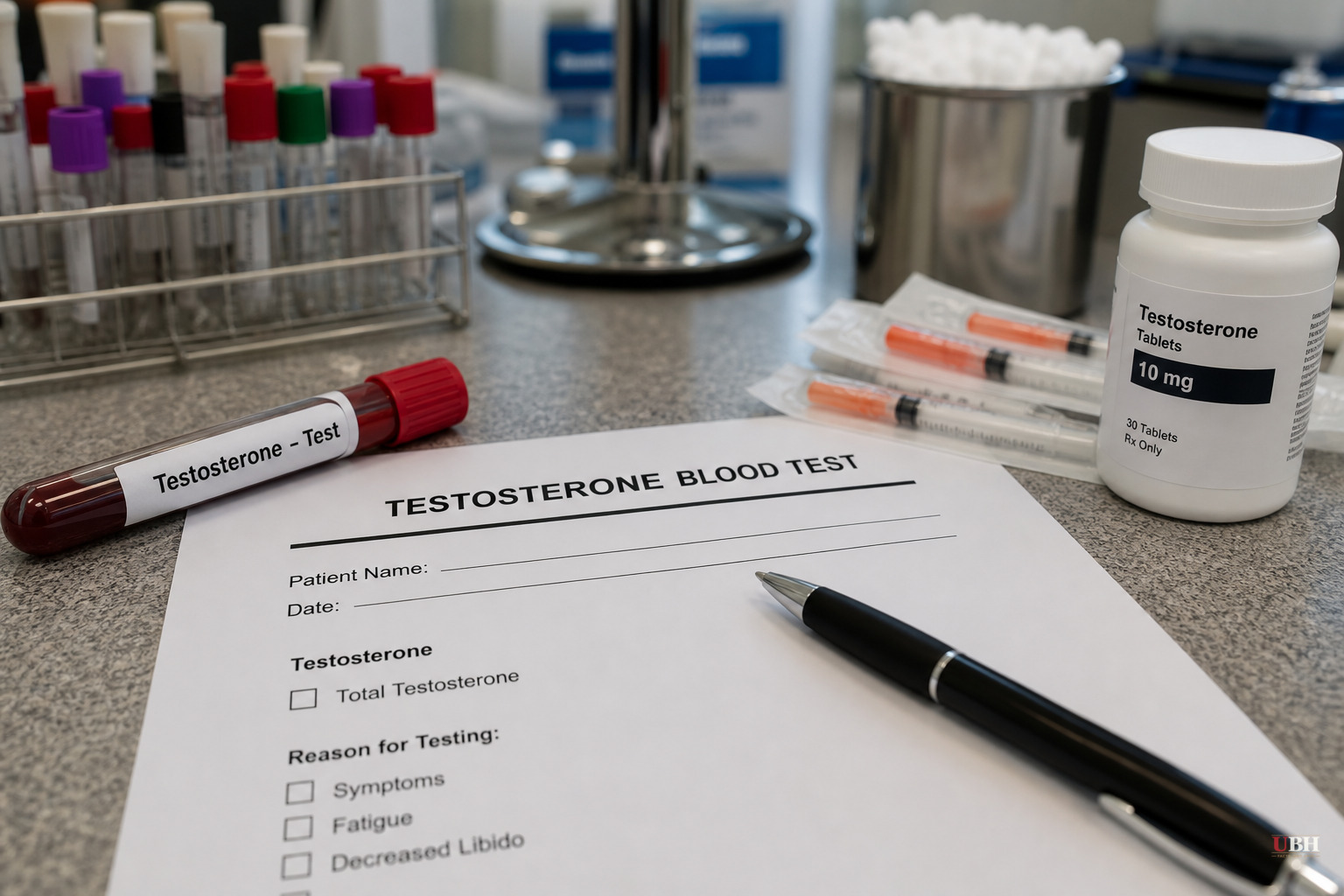
Testosterone is having a moment. Joe Rogan talks about it on his podcast. Health Secretary Robert F. Kennedy Jr. has discussed his own use. Online clinics will ship a prescription to your door after a quick questionnaire. And the Pentagon is moving to start screening service members for low testosterone, according to NPR.
Dr. Jamin Brahmbhatt, a urologist at Orlando Health in Florida, says he's watching this play out in real time with his own patients. Men come in convinced they've got "low T" after diagnosing themselves on Reddit, sometimes without ever having a blood draw.
"Not every guy needs to be on it," Brahmbhatt told NPR. He's checked his own testosterone a few times when he suspected something was off. Every time, the numbers came back normal. The actual culprits, he found, were sleep and stress.
That's the tension running through this entire trend. Testosterone deficiency, medically called hypogonadism, is real and underdiagnosed in some men. But the symptoms that get people searching for it online—fatigue, low libido, weight gain, brain fog, depressed mood—overlap almost perfectly with symptoms of a dozen other unglamorous problems: bad sleep, obesity, diabetes, sleep apnea, drug use, smoking.
Why the hormone matters beyond the gym
Testosterone isn't just about muscle and libido. It plays a role in metabolism, bone density, red blood cell production, and cognitive function, according to NPR's reporting. Dr. Helen Bernie, director of Sexual and Reproductive Medicine at Indiana University, told NPR that when testosterone is low and a man is symptomatic, "it's not just a testosterone issue, but a men's health issue."
Men's health has genuinely been under-attended to for years, a point Brahmbhatt himself makes, welcoming the new attention even as he worries about how it's being acted on.
Bernie notes the causes of low testosterone vary widely. Some cases trace back to rare conditions like pituitary disorders or specific genetic syndromes. Testosterone also declines gradually with age, that part is normal biology, not a disease. But in younger and middle-aged men, she says the more common drivers are lifestyle-linked: obesity, diabetes, sleep apnea, and substance use.
The clinic problem
The real safety issue isn't testosterone therapy itself. It's how a growing slice of the industry dispenses it.
Brahmbhatt didn't mince words on this to NPR: "Testosterone has gotten a bad wrap because you can walk into these clinics, go online, and get a prescription, they don't do all the testing, they don't do the follow up. That is the unsafe territory."
That's a legitimate clinical concern, not just professional turf-guarding. Proper testosterone therapy requires a baseline blood test, usually more than one to confirm a real deficiency and not just a bad draw, plus ongoing monitoring for things like red blood cell counts and prostate markers. Skip that and you're not treating a diagnosed condition, you're just handing out a controlled substance because a man filled out a form and felt tired.
Testosterone therapy also carries decades of baggage from doping scandals in sports and bodybuilding, which NPR notes has shaped public perception of it as something shady rather than legitimate medicine. That stigma cuts both ways. It may have kept genuinely deficient men from seeking help for years, and it's now colliding with a wellness-industry pitch that treats testosterone almost like a lifestyle supplement rather than a hormone with real risks if mismanaged.
What's actually unresolved
The Pentagon's plan to screen service members for low testosterone, mentioned by NPR without further detail on scope or timeline, raises an obvious question nobody has answered publicly yet: what happens to a service member who screens low? Is it treatment, is it a fitness-for-duty question, is it neither? The military hasn't laid out specifics in what's been reported so far.
The broader question is whether the current boom is expanding access for men who were genuinely underserved by a medical system that ignored them, or creating a pipeline where any man with fatigue and stress gets sold hormone therapy he doesn't need. Both things appear to be happening at once, according to the doctors NPR interviewed. Untangling which category any individual man falls into still requires the step that no influencer or online clinic questionnaire replaces: an actual blood test, done more than once, read by a doctor who follows up.
Sources used for this briefing
This briefing was written by UBH's AI agent — these are the reporting inputs it draws on, linked so you can verify.


