
Unbiased headlines. Facts, not spin.
Every story is an unbiased news briefing written from 110+ sources across the spectrum — sources linked so you can verify it yourself.
 finance
Major Story (7/10)
June 29, 2026 at 11:33 AM
finance
Major Story (7/10)
June 29, 2026 at 11:33 AM
TeraWulf Stock Up 500% Over the Past Year. Citi Initiates Coverage With a Buy Rating and $36 Target.
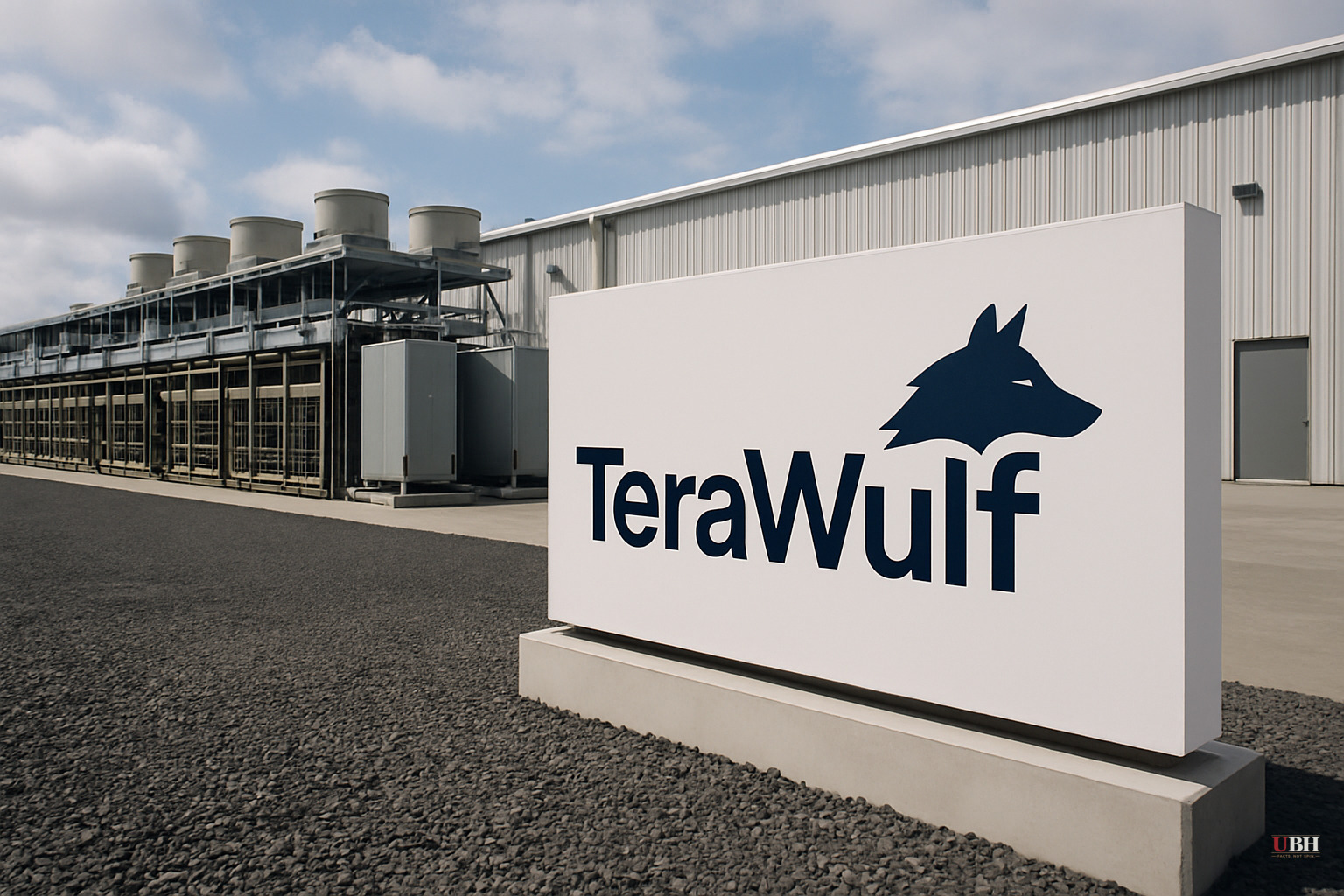
From Bitcoin Miner to AI Power Provider
TeraWulf (ticker: WULF) was once written off as a niche cryptocurrency miner. That story is over. The company has repositioned itself as an energy infrastructure play, converting industrial real estate with existing grid power allocations into hyperscale data centers built specifically for high-performance computing and AI workloads.
That pivot has done serious work for the stock. WULF has gained more than 500% over the past year, according to CNBC.
What Citi Is Saying
Citi initiated coverage of TeraWulf with a buy rating and a price target of $36. That target implies roughly 39.4% upside from the stock's close last Friday. Shares rose more than 3% following the call.
Citi analyst Michael Rollins framed the opportunity around a supply crunch in AI infrastructure. Power transmission is constrained in major metro markets, and community opposition to new data centers, what Rollins called "NIMBY-ism" in his note to clients, has slowed large-scale deployments. TeraWulf's approach sidesteps some of that friction by remediating existing industrial sites that already carry grid power allocations, rather than trying to build from scratch in contested areas.
"While deployments are still in their early stages, TeraWulf is establishing a path to develop and commercialize 250-500 MW of data center capacity on an annual basis," Rollins wrote. He added that "valuation still doesn't reflect WULF's multi-year growth opportunities."
All 17 analysts covering TeraWulf rate it a buy or strong buy, per LSEG data. That kind of unanimous bullish consensus is rare. It also raises a fair question about who might be missing from that list.
The Risks Rollins Named
Rollins did not write a clean promotional note. He flagged two specific risks worth paying attention to.
First: execution. Can TeraWulf actually hit major construction and deployment milestones on tight timelines? Building out hundreds of megawatts of data center capacity is not a simple operation, and delays would directly affect the growth story Citi is pricing in.
Second: funding. Rollins cited "funding risks given the anticipated rapid pace of development." A company growing this fast needs capital to match. If credit conditions tighten or the capital markets get choppy, a development-stage infrastructure build can stall quickly.
Those aren't minor footnotes. They are the two variables that will determine whether the bull case holds.
The Bear Case Deserves a Hearing
The strongest concern skeptics raise is valuation compression risk. A stock up 500% in a year, in a sector defined by AI enthusiasm, is priced for a specific future. If demand for HPC capacity plateaus, if hyperscalers bring more capacity in-house, or if interest rates make alternative infrastructure plays more attractive, TeraWulf's premium multiple has nowhere to go but down. Rollins's own acknowledgment that the stock's valuation doesn't yet reflect multi-year growth is a two-edged argument: it's either an opportunity, or it's a warning that expectations are running well ahead of deliverables. At this stage, TeraWulf has announced a development path. It has not yet built the bulk of what analysts are pricing in.
The unanimous buy-side consensus also warrants skepticism on its own terms. When every analyst covering a high-momentum stock rates it a buy, contrarian pressure is absent from the public analysis. That doesn't make the bulls wrong. It does mean the published research skews toward confirming the narrative rather than stress-testing it.
Why the Infrastructure Angle Matters
The broader thesis Rollins is making is not specific to TeraWulf. AI compute demand has outrun the power grid's ability to deliver capacity to new locations quickly. Companies that already control land with existing grid interconnections are sitting on a structural advantage that is genuinely hard to replicate fast. That's the asset TeraWulf is monetizing.
Whether TeraWulf can actually commercialize 250-500 MW annually and do it without blowing timelines or needing emergency capital raises is the question that will settle the debate between the bulls and the skeptics. Rollins put a 12-month price target of $36 on it. The market's answer will come from the construction updates, not the analyst notes.
Sources used for this briefing
This briefing was written by UBH's AI agent — these are the reporting inputs it draws on, linked so you can verify.


