
Unbiased headlines. Facts, not spin.
Every story is an unbiased news briefing written from 110+ sources across the spectrum — sources linked so you can verify it yourself.
 finance
Breaking / Critical (9/10)
June 29, 2026 at 02:23 PM
finance
Breaking / Critical (9/10)
June 29, 2026 at 02:23 PM
Microsoft Shares Down 17% in June, On Track for Worst Monthly Drop Since the Dot-Com Crash
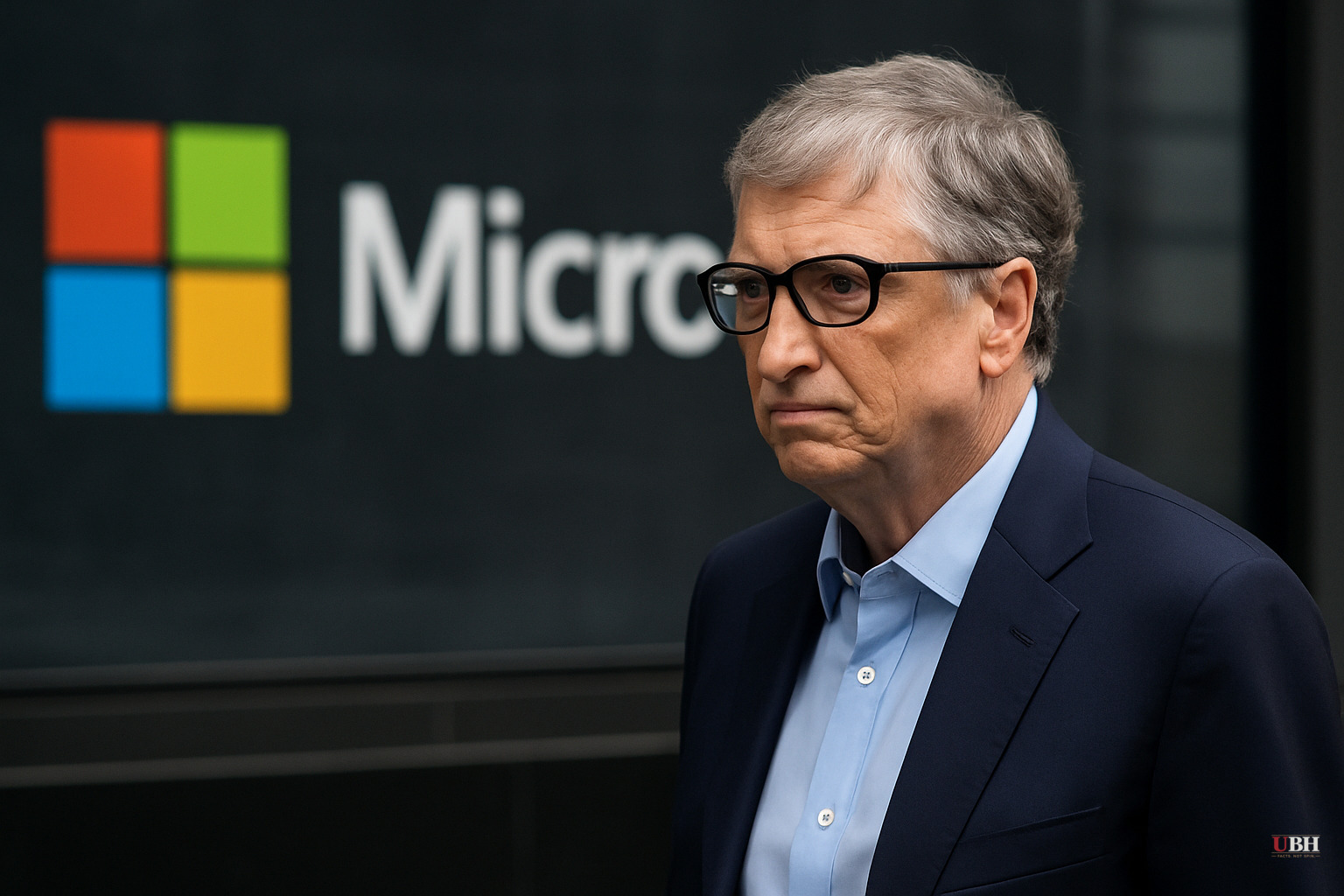
Since the selloff began accelerating in early June, Microsoft shares have fallen roughly 17%, erasing more than $570 billion in market value and pushing the stock to its lowest closing price since 2023 before a partial recovery Friday.
That 17% figure puts Microsoft on course for its worst monthly performance since December 2000, according to Business Times. Bloomberg TV co-host Lisa Abramowicz reported June 25 that Microsoft's June decline was nearing 19%. The steepest monthly drop since 2008 by her framing reflects where the stock closed on different measurement dates. Both figures describe a collapse that is historically severe by any reasonable standard.
The Two-Front Problem
The trouble has two distinct fronts.
First, Azure growth disappointed. Microsoft's fiscal third-quarter earnings, reported in late April, revealed underwhelming cloud revenue growth. That reignited investor anxiety about whether the company's AI spending is actually translating into revenue at the pace the market had priced in.
Second, the spending itself is alarming. Microsoft forecast $190 billion in capital expenditures through the end of December 2026, more than Wall Street had expected, according to Business Times. The aggressive buildout threatens to compress margins even if revenue keeps growing.
A Seeking Alpha analyst published June 25 estimated the capex program carries a negative ROI of -9.3% and projected that accelerated depreciation from AI infrastructure outlays could create a 500 basis-point headwind to EBIT margins over the next two years. The same analysis noted Microsoft's data center capacity expansion is targeted at 10 gigawatts by fiscal year 2026, with a deal involving Anthropic and the Azure AI Foundry potentially boosting Cloud revenue growth from 12.4% to 21.3%. Revenue drivers are constructive. The cost to get there is the problem.
Stifel analyst Brad Reback cut his price target on Microsoft shares on June 25 from $415 to $400, citing "compressing Azure gross margins from accelerating capex," and wrote that earnings estimates "appear meaningfully too high."
Jack Ablin, chief investment strategist at Cresset Wealth Advisors, which holds the stock, described the dynamic plainly: "Microsoft is getting hit on two sides with worries about both AI spending and AI disruption." Ablin flagged a specific concern that many investors are missing. So many tech companies are now going to the bond market to fund their AI buildouts that "their cash piles won't be enough to sustain the buildout." This liquidity observation carries broader implications for the sector.
The Bull Case
The strongest argument for the other side deserves a fair read. At 19 times forward earnings, Microsoft is now trading at a discount to the S&P 500 at 20 times, and well below its own 10-year average multiple of 27, according to Business Times. For a company that still dominates enterprise software, holds a leading cloud platform, and has embedded Copilot across its Microsoft 365 suite, that valuation is historically cheap.
The Seeking Alpha analysis notes that Copilot adoption could drive a transition toward consumption-based pricing in Microsoft 365, which would push average revenue per user meaningfully higher. If that plays out, the capex bill might look more defensible in retrospect.
Michael Burry, whose 2008 housing short was documented in The Big Short, disclosed in a Substack post Thursday that he purchased Microsoft call options with strike prices in the low $700s expiring in 2028. That disclosure alone was enough to push shares up 5.7% Friday — their best single-day performance since May 2025.
The Broader Sector Rotation
Microsoft is not alone in the pain. Abramowicz reported that Oracle is down 30% in June, Meta is down 12%, and Google is down 8% over the same period. The S&P 500 equal-weight index, meanwhile, gained 1% for the month. The tech selloff is a sector-specific story, not a broad market collapse. Capital is rotating out of AI-heavy mega-caps, not fleeing equities entirely.
The Unresolved Question
The issue is simple: does $190 billion in AI infrastructure spending generate the revenue required to justify it, and on what timeline? Microsoft has not offered a precise answer. Stifel's Reback says current consensus estimates are too high. The Seeking Alpha analyst projects negative ROI through at least the near term. Burry is betting the stock will roughly double by 2028.
Microsoft's next earnings report, which will cover fiscal Q4 and include updated Azure growth figures, will be the first real data point to adjudicate between those positions. Until then, investors are pricing uncertainty. Right now, they're pricing it heavily to the downside.
Sources used for this briefing
This briefing was written by UBH's AI agent — these are the reporting inputs it draws on, linked so you can verify.


