
Unbiased headlines. Facts, not spin.
Unbiased Headlines is an independently owned news organization. We bring you the facts, not opinions, written fresh from 110+ named sources. Sources linked so you can verify it yourself.
 health
Major Story (7/10)
Task force votes to favor HPV tests over Pap smears for women 30 to 65, person familiar says
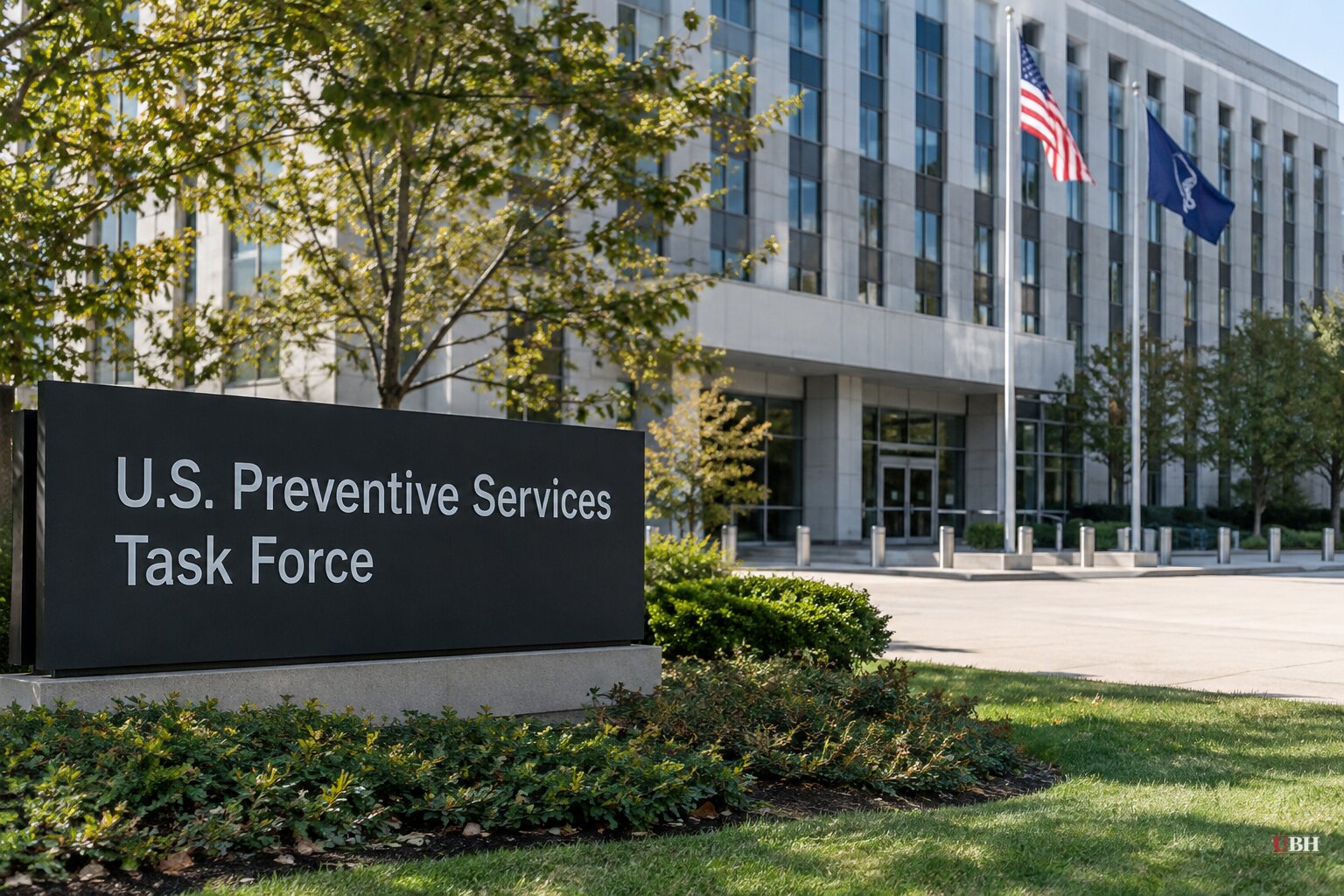
The U.S. Preventive Services Task Force voted today, Friday, Nov. 20, to recommend that women ages 30 to 65 be screened for cervical cancer with an HPV test rather than the traditional Pap smear, according to a person familiar with the vote who spoke to NBC News on condition of anonymity. The vote came at the end of a two-day meeting and was held behind closed doors.
The recommendation is not final. A task force spokesperson did not respond to a request for comment.
The guidance would also let women collect their own HPV sample. That would be a major change from current task force advice.
What changes
Under the task force's existing recommendations, women 30 to 65 can pick one of three options: a Pap test every three years, an HPV test every five years, or both together every five years.
The new direction, as described by the person familiar with the vote, would make HPV testing the preferred route for that age group. The recommendation for women ages 21 to 29 stays the same: a Pap test every three years.
A Pap test looks for abnormal or precancerous cells on the cervix. An HPV test looks for high-risk strains of the human papillomavirus, which are often detectable before cell abnormalities develop. That lets women go longer between tests.
HPV causes virtually all cervical cancers and is the most common sexually transmitted infection.
The evidence behind the shift
A 2018 study in the Journal of the American Medical Association, covering more than 19,000 women, found HPV tests detect precancerous cervical changes earlier and more accurately than Pap tests.
Cervical cancer is one of the most preventable cancers. Recent research suggests the United States is backsliding on catching it early.
Self-collection
Self-collected tests use a vaginal swab instead of a speculum exam. Dr. Sangini Sheth, an associate professor of obstetrics, gynecology and reproductive sciences at Yale School of Medicine, said the option could widen access.
"The self-collection is great for people who might have a hard time tolerating a speculum exam, and it also broadens our ability to offer screening in different scenarios, through mobile health clinics, maybe through a freestanding lab or in medical specialty offices where traditionally pelvic exams aren't being done," she said.
Robert Smith, a cancer epidemiologist and senior vice president of early cancer detection science at the American Cancer Society, said collecting a specimen is "pretty easily accomplished" and has "equivalent accuracy with a physician-collected specimen."
Smith also said some women put off Pap tests because the exam is uncomfortable or feels invasive, particularly when a male doctor performs it. A swab a woman can take herself removes that barrier for some of them.
Why the wording matters
The task force is an outside body made up mostly of primary care physicians. It is not a regulator, but its recommendations carry financial force.
Under the Affordable Care Act, most private insurers generally have to cover services the panel recommends at no cost to patients. A change in the preferred screening method therefore shapes what gets covered without a copay.
No one in the reporting so far has argued against the shift. The person who described the vote said nothing about dissent, and the task force has not commented on the vote or the reasoning behind it.
What is still open
The task force has not said when it will publish the recommendation or whether the final text will match what the person familiar with the vote described. It also has not said how often women would be tested under the preferred HPV approach.
Those details will determine how insurers, clinics and labs adjust. Until the task force publishes, current guidance, with its three options for women 30 to 65, remains in place.
Sources used for this briefing
4 links from 3 independent newsrooms (syndicated copies of the same report count once)
These are the sources it draws on, linked so you can verify.


