
Original briefings. Zero spin.
Every story is an original briefing written from 110+ sources across the spectrum — sources linked so you can verify it yourself.
 health
Low Interest (4/10)
September 7, 2026 at 07:28 AM
health
Low Interest (4/10)
September 7, 2026 at 07:28 AM
Tasers Failed to Stop Times Square Knife Attacker Before NYPD Shot Her, Commissioner Says
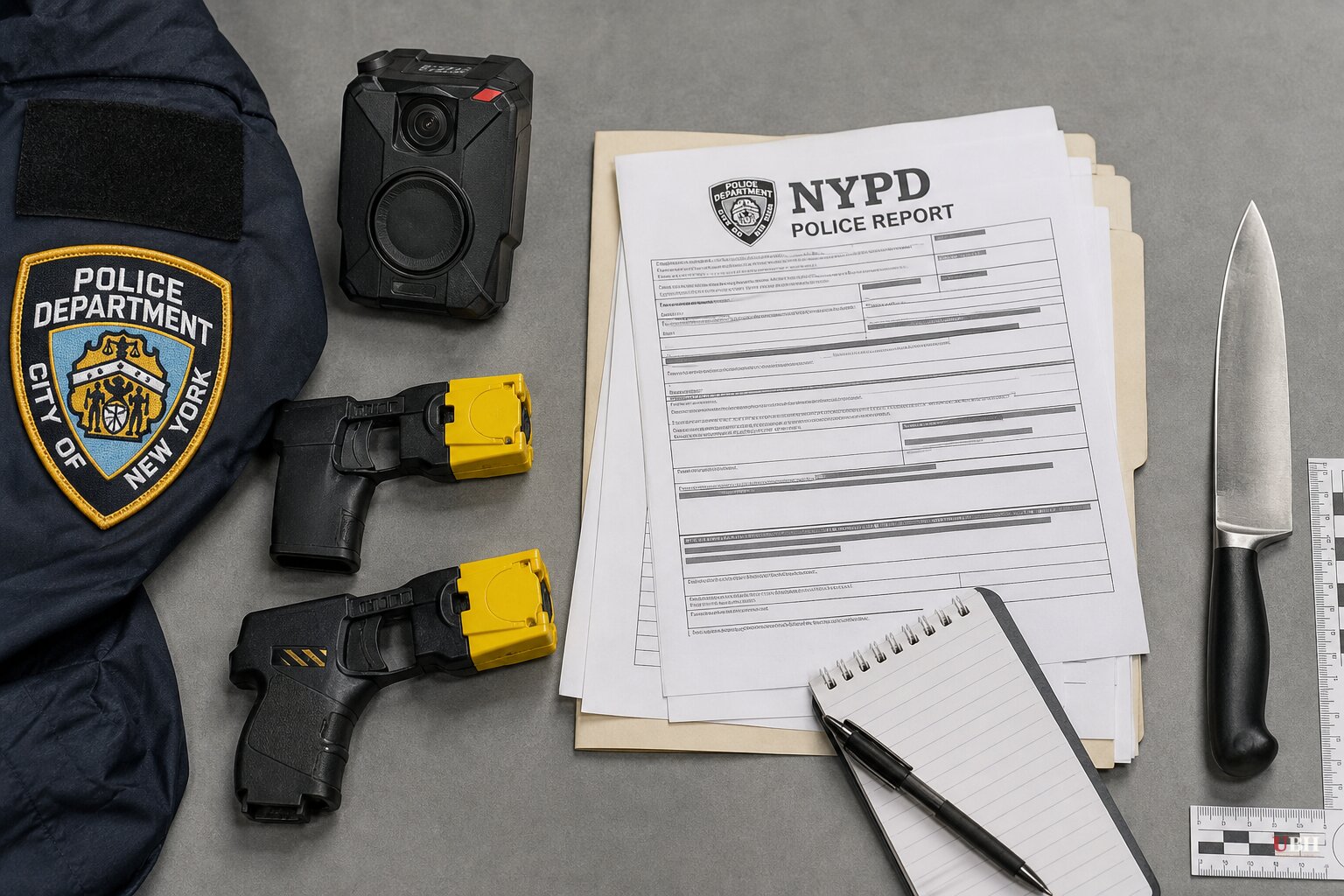
New York City Police Commissioner Jessica Tisch confirmed that officers deployed Tasers multiple times against Pamela Cisneros, 49, during a roughly four-minute standoff in Times Square, and the devices did not stop her.
"As multiple officers discharged Tasers, which proved to be ineffective, the subject continued to advance toward our officers with the knives," Tisch said at a news conference the evening of the attack, according to Fox News.
Cisneros allegedly stabbed two people during the encounter, killing a 32-year-old woman and wounding a 68-year-old man. Police say Cisneros told officers, "I'm not dropping anything. I would rather kill both of you." Two officers then opened fire, striking her. She was taken to Bellevue Hospital, where she was pronounced dead.
Tisch also said Cisneros had a documented mental health history with the NYPD, with recorded incidents in 2018 and 2019, according to Fox News reporting picked up by Maharlika News.
Why the Taser didn't work
A standard Taser fires two barbed probes connected by conductive wires. Electrical pulses travel along those wires, triggering involuntary muscle contractions, according to manufacturer Axon. For the effect to work properly, Axon says the two probes need to land at least 12 inches apart on the body.
Steve Keller, a retired police sergeant from Blue Ash, Ohio, told Fox News Digital the most common reasons Tasers fail are clothing, poor probe placement, substance use by the suspect, and loss of connectivity between the two probes.
"The purpose of the Taser is neuromuscular in capacity," Keller said. "Your large muscle masses are your back and thighs. Officers are trained to aim for those areas." If one probe lands on a fleshy area like the abdomen while the other misses, the circuit can fail entirely, he said.
Body composition can compound the problem. Dr. Marc Siegel, Fox News' senior medical analyst, said muscle conducts electricity far better than fat. "Tasers are much more effective for muscle than fat because muscle conducts electricity much better, and the Taser delivers a high voltage," Siegel said. "In an obese person, it is more difficult to find an area that conducts electricity."
None of this means Tasers are useless on larger suspects. It means outcomes get less predictable when probes land on fat instead of muscle, when clothing blocks contact, or when a suspect is in a mental health crisis and pain response doesn't register the way it does for someone in a calmer state.
A fair question about the shooting, and a fair defense of it
Some will look at this sequence and ask whether officers escalated to gunfire too fast once the Taser failed. The question warrants scrutiny anytime police use deadly force.
But the timeline here doesn't support that read. This wasn't a snap decision. Officers spent roughly four minutes trying non-lethal options first, deploying Tasers multiple times while Cisneros kept advancing with two kitchen knives and told them directly she intended to kill them. Under NYPD's own account, lethal force came only after less-lethal tools repeatedly failed and a direct threat to officers' lives continued.
Tisch confirmed Cisneros had documented mental health contacts with the NYPD dating back to 2018. New York's mental health and involuntary commitment system has been under fire for years for letting people with known histories of crisis cycle back onto the street. Nobody in this reporting has explained what happened between those 2018 and 2019 contacts and last Monday's attack, or whether any intervention was attempted in between.
Fox News Digital said it reached out to Axon, the NYPD, and obesity advocacy organizations for comment on the Taser effectiveness questions. As of this reporting, none had responded publicly.
What remains unclear: what specifically prompted the 2018 and 2019 NYPD contacts with Cisneros, whether any mental health treatment or commitment order followed either incident, and whether New York's outpatient commitment laws applied to her case at all. The NYPD has not released those records.
Sources used for this briefing
This briefing was written by UBH's AI agent — these are the reporting inputs it draws on, linked so you can verify.


