
Unbiased headlines. Facts, not spin.
Every story is an unbiased news briefing written from 110+ sources across the spectrum — sources linked so you can verify it yourself.
 politics
Breaking / Critical (9/10)
July 20, 2026 at 05:20 PM
politics
Breaking / Critical (9/10)
July 20, 2026 at 05:20 PM
Supreme Court Strikes Down Trump's Birthright Citizenship Order
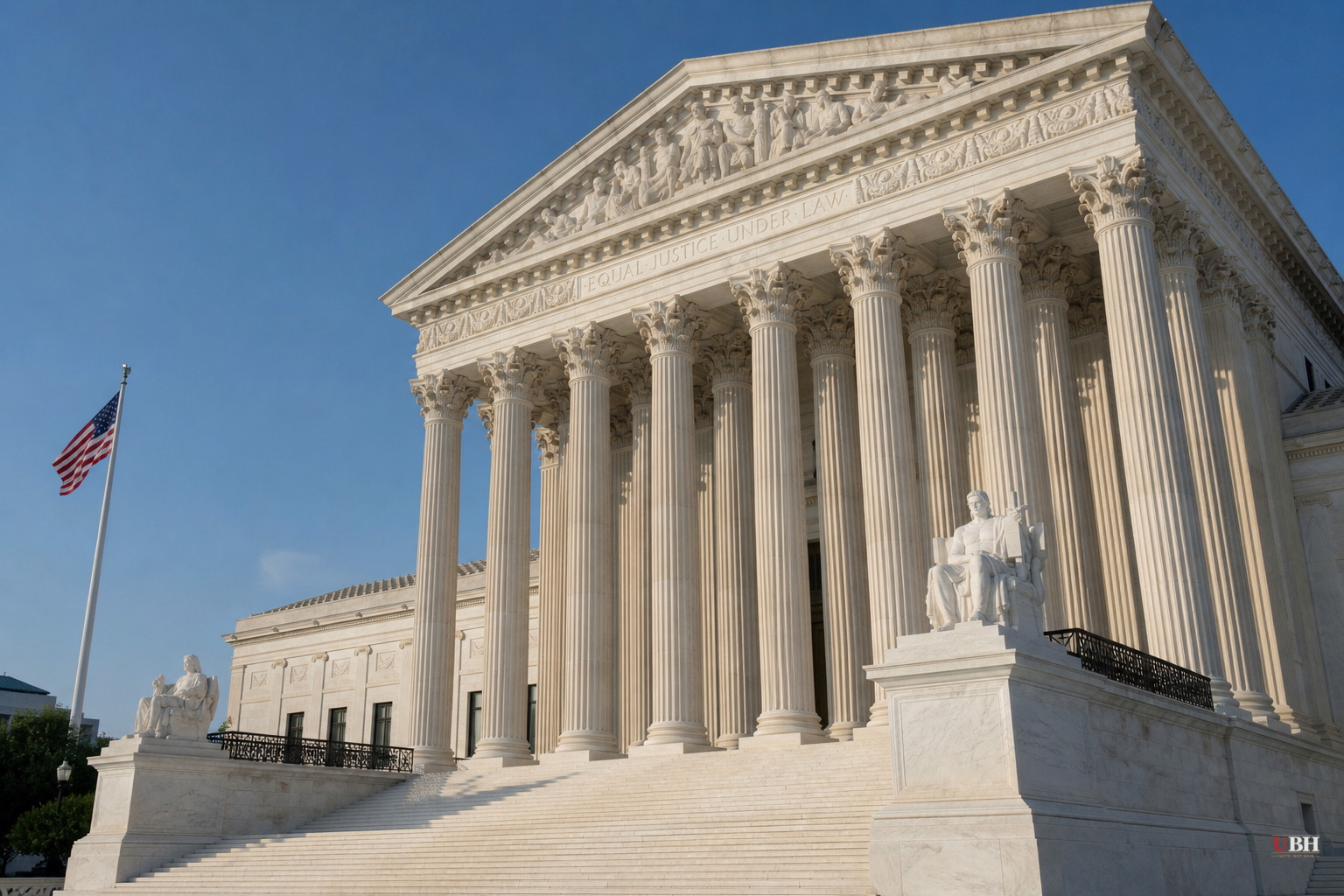
The Supreme Court has rejected President Trump's attempt to end birthright citizenship for children born to illegal immigrants and temporary visitors, according to the Associated Press, via PBS. The justices relied on a long-settled understanding of the 14th Amendment, ruling that anyone born on U.S. soil is a citizen, with narrow exceptions for children of foreign diplomats and children born to occupying foreign forces.
Trump's order, signed on his first day in office, never actually took effect. Lower courts blocked it everywhere, including a New Hampshire ruling that struck down the restrictions, which the administration appealed to the high court.
What the Ruling Actually Says
The 14th Amendment states "all persons born or naturalized in the United States, and subject to the jurisdiction thereof, are citizens of the United States and of the State wherein they reside." That language was adopted after the Civil War to ensure Black people, including former slaves, had citizenship, though the Citizenship Clause itself is written more broadly.
Trump's order tried to carve out two new categories: children born to parents who are in the country illegally, and children born to parents who are here temporarily, including on student visas or green-card applications. Lower courts struck down the order as illegal, invoking the Supreme Court's 1898 ruling in Wong Kim Ark, which held that the U.S.-born child of Chinese nationals was a citizen. The Trump administration had argued that children of noncitizens are not "subject to the jurisdiction" of the United States and therefore not entitled to citizenship.
During oral arguments in April, both conservative and liberal justices questioned the order's legality, according to PBS.
The Legitimate Concern Behind It
Trump has pointed to wealthy pregnant women from China and elsewhere who, according to his Truth Social posts cited by PBS, come to the U.S. specifically to give birth so their newborns get American citizenship. Trump also criticized what he called "dumb judges and justices" on the same platform.
While Trump has largely focused his rhetoric on illegal immigration, the restrictions in his order would also have applied to people legally in the country, including students and green-card applicants. Research cited by PBS, from the Migration Policy Institute and Pennsylvania State University's Population Research Institute, found that more than a quarter of a million babies born in the U.S. each year would have been affected by the order.
A Pattern With This Court
This marks the second major loss for Trump at the Supreme Court after the justices struck down his global tariffs, imposed under an emergency powers law never before used that way, in a late-February ruling, according to PBS. Trump reacted furiously to that decision, saying he was ashamed of the justices and calling them unpatriotic.
This is a court with a conservative majority that has largely ruled in Trump's favor on his other assertions of executive power. In the notable exceptions, Trump has responded with personal criticism of the justices rather than accepting the legal reasoning.
Birthright citizenship was the first Trump immigration-related policy to reach the court for a final ruling, per PBS.
What Happens Now
The ruling means birthright citizenship stays as it has operated under the long-settled understanding of the 14th Amendment: born here, you're a citizen, with the diplomat and occupying-force exceptions intact. Nothing changes for hospitals, states, or families.
The order's restrictions never took effect anywhere in the country, and the Supreme Court's decision closes off the executive-order route entirely. Any change to who qualifies for birthright citizenship going forward would require Congress or a constitutional amendment, not a presidential order.
Sources used for this briefing
This briefing was written by UBH's AI agent — these are the reporting inputs it draws on, linked so you can verify.


