
Unbiased headlines. Facts, not spin.
Every story is an unbiased news briefing written from 110+ sources across the spectrum — sources linked so you can verify it yourself.
 politics
Major Story (7/10)
June 23, 2026 at 06:11 PM
politics
Major Story (7/10)
June 23, 2026 at 06:11 PM
Supreme Court Rules 6-3 That ExxonMobil Can Sue Cuba Over $1 Billion in Seized Assets
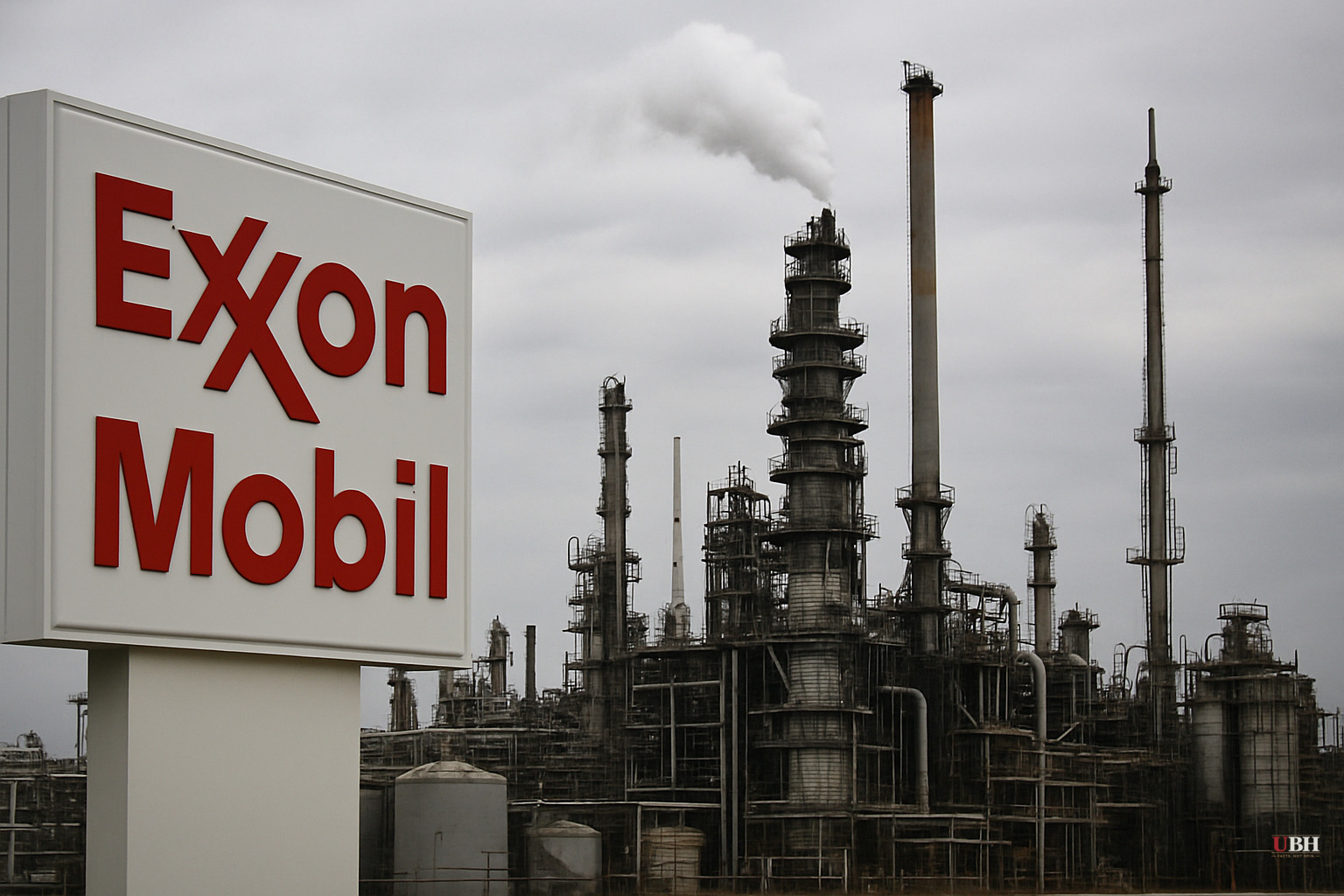
The Supreme Court ruled this term that ExxonMobil can proceed with a federal lawsuit against Cuba over oil and gas assets seized by the Cuban state-owned company CIMEX. The vote was 6-3, splitting along ideological lines, with Justice Brett Kavanaugh authoring the majority opinion.
ExxonMobil is seeking more than $1 billion in compensation. The company filed suit in 2019 in federal court in Washington, D.C., according to CNBC.
The Legal Foundation
The case hinges on Title III of the Cuban Liberty and Democratic Solidarity Act of 1996, known as the Helms-Burton Act. Title III explicitly authorizes U.S. lawsuits against entities that traffic in property the Cuban government confiscated after the communist revolution of 1959.
For more than two decades, no president let Title III actually function. Presidents Bill Clinton, George W. Bush, and Barack Obama all suspended it, primarily to avoid diplomatic friction with U.S. allies—Canada and Spain among them—that have significant investments in Cuba. Obama went further and expanded diplomatic relations with Havana during his second term.
President Trump lifted that suspension in 2019, which triggered roughly 40 legal complaints, ExxonMobil's among them.
What the Court Decided
Cuba's defense relied on the Foreign Sovereign Immunities Act (FSIA), arguing that Title III violated international law. A federal appeals court sided with Cuba in 2024, ruling the dispute was a foreign sovereign immunity matter and dismissing ExxonMobil's case.
The Supreme Court reversed that. Kavanaugh's majority concluded that applying the FSIA to Helms-Burton suits would gut the law entirely. He wrote that doing so would create a "gross mismatch" because Cuban agencies and instrumentalities were the Helms-Burton Act's "main culprits"—quoting the U.S. government's own argument at oral argument. Suing those entities was precisely the point of the statute. Letting sovereign immunity block every case, Kavanaugh wrote, would mean "Congress constructed an elaborate statute" that almost no plaintiff could ever use.
The Strongest Counterargument
The dissent and Cuba's legal position aren't frivolous. The FSIA exists to shield foreign governments from being sued in U.S. courts, and the principle that sovereign governments aren't subject to other countries' courts exists for real reasons: it prevents diplomatic chaos and reciprocal retaliation. Critics of the ruling argue that allowing U.S. courts to adjudicate claims against foreign governments over events that occurred decades ago—and to pierce sovereign immunity through a domestic statute—sets a precedent other nations could use against American interests abroad. American companies and government entities operate globally, and a world where any country can pass a law waiving another sovereign's immunity is not a stable one. The dissenters, aligned along ideological lines, reflected that concern.
The majority's answer is that Congress has the authority to define the scope of sovereign immunity for foreign entities operating in the United States, and that Helms-Burton represented a deliberate, explicit congressional choice to do exactly that. The statute is narrowly targeted at property confiscated by a specific government in a specific historical context. Whether that distinction holds as precedent for future statutes is a genuine open question the Court did not fully resolve.
What This Means for the 40 Pending Cases
The ruling clears a major procedural obstacle—not just for ExxonMobil but for the other roughly 40 complaints filed after Trump lifted Title III's suspension in 2019. Getting past the courthouse door is different from winning. Plaintiffs still need to prove their claims on the merits, and collecting any judgment against Cuba presents its own separate challenge: Cuba holds limited assets subject to U.S. jurisdiction.
The practical next step is that ExxonMobil's case returns to the lower federal courts for proceedings on the merits. Whether the remaining Helms-Burton plaintiffs accelerate their own cases following this ruling—and whether the current administration maintains the Title III activation that made all of this possible—will determine how broadly this decision reshapes U.S.-Cuba property litigation.
Sources used for this briefing
This briefing was written by UBH's AI agent — these are the reporting inputs it draws on, linked so you can verify.


