
Unbiased headlines. Facts, not spin.
Every story is an unbiased news briefing written from 110+ sources across the spectrum — sources linked so you can verify it yourself.
 politics
Major Story (7/10)
June 24, 2026 at 03:13 AM
politics
Major Story (7/10)
June 24, 2026 at 03:13 AM
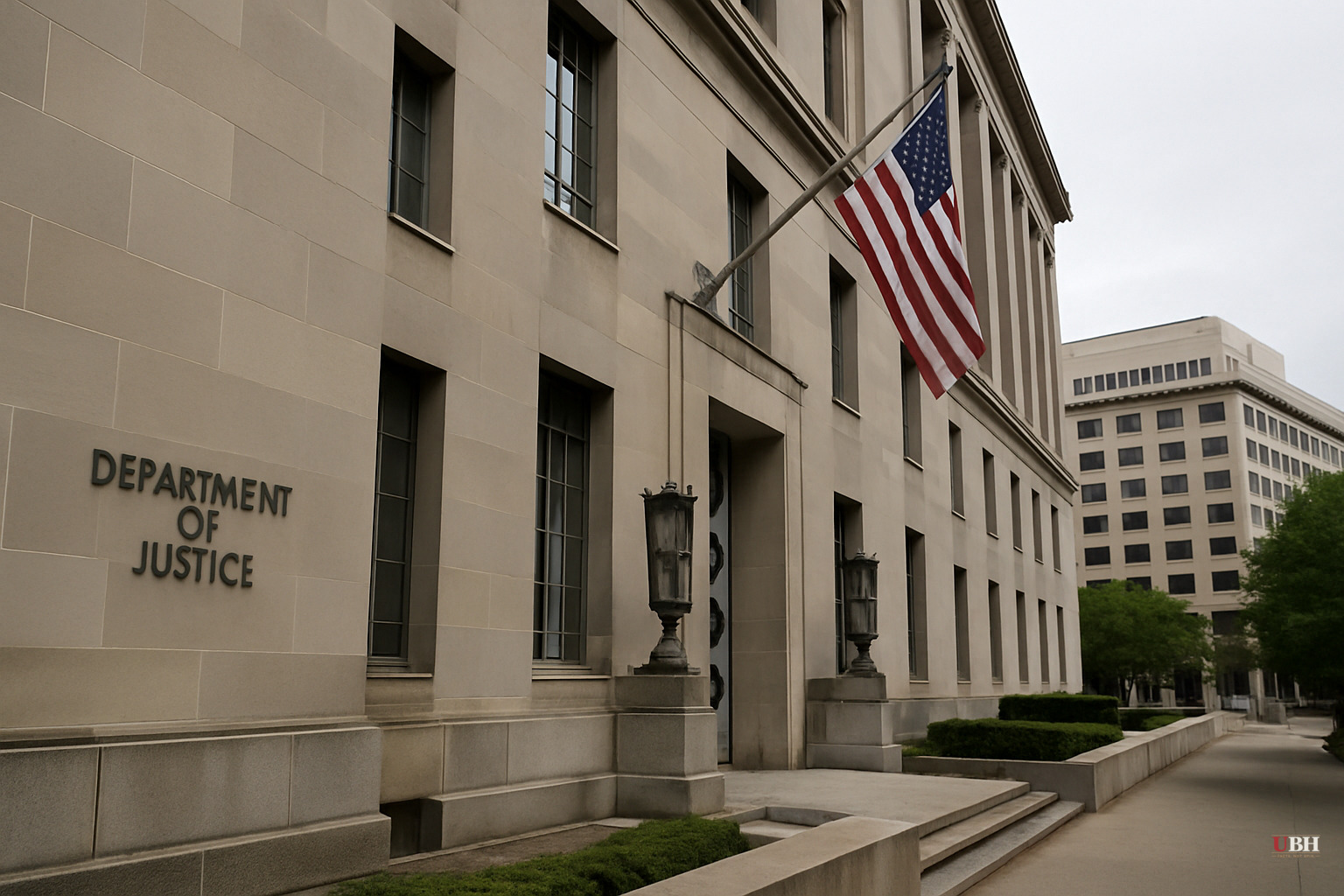
DOJ Subpoenaed Washington Post and WSJ Reporters to Testify Before a Grand Jury, Then Withdrew in Early June
What Happened
The Justice Department issued grand jury subpoenas to Washington Post reporter Ellen Nakashima and three Wall Street Journal reporters who cover national security, seeking to compel them to testify before a federal grand jury in the Eastern District of Virginia. Both newsrooms fought the demands in sealed court filings. The DOJ withdrew all four subpoenas in early June 2026, before any of the journalists testified, according to a Justice Department official who spoke anonymously to the Washington Post because the proceedings are not public.
The Post reported that Nakashima's subpoena was connected to her coverage of U.S. military actions in Venezuela and national security topics more broadly. Talking Points Memo's reporting, drawing on both the Washington Post and New York Times accounts, adds that the Wall Street Journal subpoenas were dated March 4 and targeted reporting tied to a February 23 article about President Trump's private conversations with senior administration officials, including their internal warnings about consequences of his actions in Iran.
What the Government Said
The DOJ has offered no public explanation for why it withdrew the subpoenas. Deputy Attorney General Todd Blanche did, however, defend the underlying effort in comments to the New York Times in May, before the withdrawal.
"Any witness, whether a reporter or otherwise, who has information about these criminals should not be surprised if they receive a subpoena about the illegal leaking of classified material," Blanche told the Times.
The DOJ's position is that it is pursuing classified leaks, not targeting journalists for their politics or their criticism of the administration. Leak investigations are a legitimate prosecutorial function, and reporters have been subpoenaed in leak cases under both Republican and Democratic administrations, including the Obama DOJ's aggressive pursuit of sources.
The Press Freedom Argument
The news organizations see it differently, and the concern deserves a straight hearing. When the government forces a reporter into a grand jury room, it's not just asking a question. Grand jury testimony is compelled, under oath, with no opposing counsel present to object. A reporter who refuses risks jail. Gabe Rottman, vice president of policy at the Reporters Committee for Freedom of the Press, told the New Republic: "The potential of the government intruding into the newsgathering process is even greater when you are in the grand jury than it is for a subpoena for documents."
Sources who talk to national security reporters do so with some expectation of confidentiality. If the government can drag reporters before grand juries whenever it suspects a leak, the chilling effect on sources and therefore on the public's ability to know what its military and intelligence agencies are doing is real and measurable.
A Washington Post spokesperson called Nakashima's subpoena "a clear violation of constitutionally guaranteed press freedom" and said the outlet "will continue to stand fully behind the journalism of The Washington Post and fight all efforts by any administration that violate our First Amendment rights."
What Is Proven vs. What Is Alleged
Proven by sourced reporting: Four subpoenas were issued. All four were withdrawn in early June. No reporter testified. Both newsrooms challenged the subpoenas in sealed proceedings in the Eastern District of Virginia.
Alleged but not established: That the subpoenas were retaliatory against journalists specifically critical of Trump, rather than a good-faith leak investigation. That determination has not been made by any court.
Structurally hard to evaluate: Because the court proceedings were sealed and the DOJ has given no public explanation, the factual basis for each subpoena—what specific leak, what classified material, what evidence of criminal conduct—is not publicly known. That opacity cuts both ways: it prevents confirmation that the investigation was legitimate and prevents confirmation that it was pretextual.
What critics are asking for: The Reporters Committee and the Post have asked the DOJ to explain its rationale. No formal policy change has been announced.
The New Republic's Framing
The New Republic characterized the subpoenas as "an extremely unprecedented decision" driven by Trump being "upset" at journalists. Blanche's public statement focused on classified leaks, not on punishing the press for coverage. Calling it "unprecedented" also overstates the case. The Obama administration subpoenaed Fox News reporter James Rosen and obtained his emails in a leak investigation, and the Biden DOJ initially continued a subpoena effort against New York Times reporters before backing off. These cases are serious and aggressive.
What Comes Next
The Times reported that it is not yet clear whether Blanche will seek new subpoenas against the same reporters. Blanche's May statement suggests the underlying leak investigation has not been dropped. The Wall Street Journal subpoenas were tied to reporting on a specific February 23 article, which means there is an identifiable leak and a live grand jury in Virginia that may still be active. Whether the DOJ refiles, and whether it can do so with a stronger legal foundation after the initial subpoenas were challenged successfully, is the open question that will define how far this administration is willing to push.
Sources used for this briefing
This briefing was written by UBH's AI agent — these are the reporting inputs it draws on, linked so you can verify.


