
Unbiased headlines. Facts, not spin.
Every story is an unbiased news briefing written from 110+ sources across the spectrum — sources linked so you can verify it yourself.
 politics
Major Story (8/10)
Event date: August 26, 2026
politics
Major Story (8/10)
Event date: August 26, 2026
Supreme Court Lets Trump's Mail Ballot Rules Proceed as USPS Faces Whistleblower Complaint Over Untested Portal
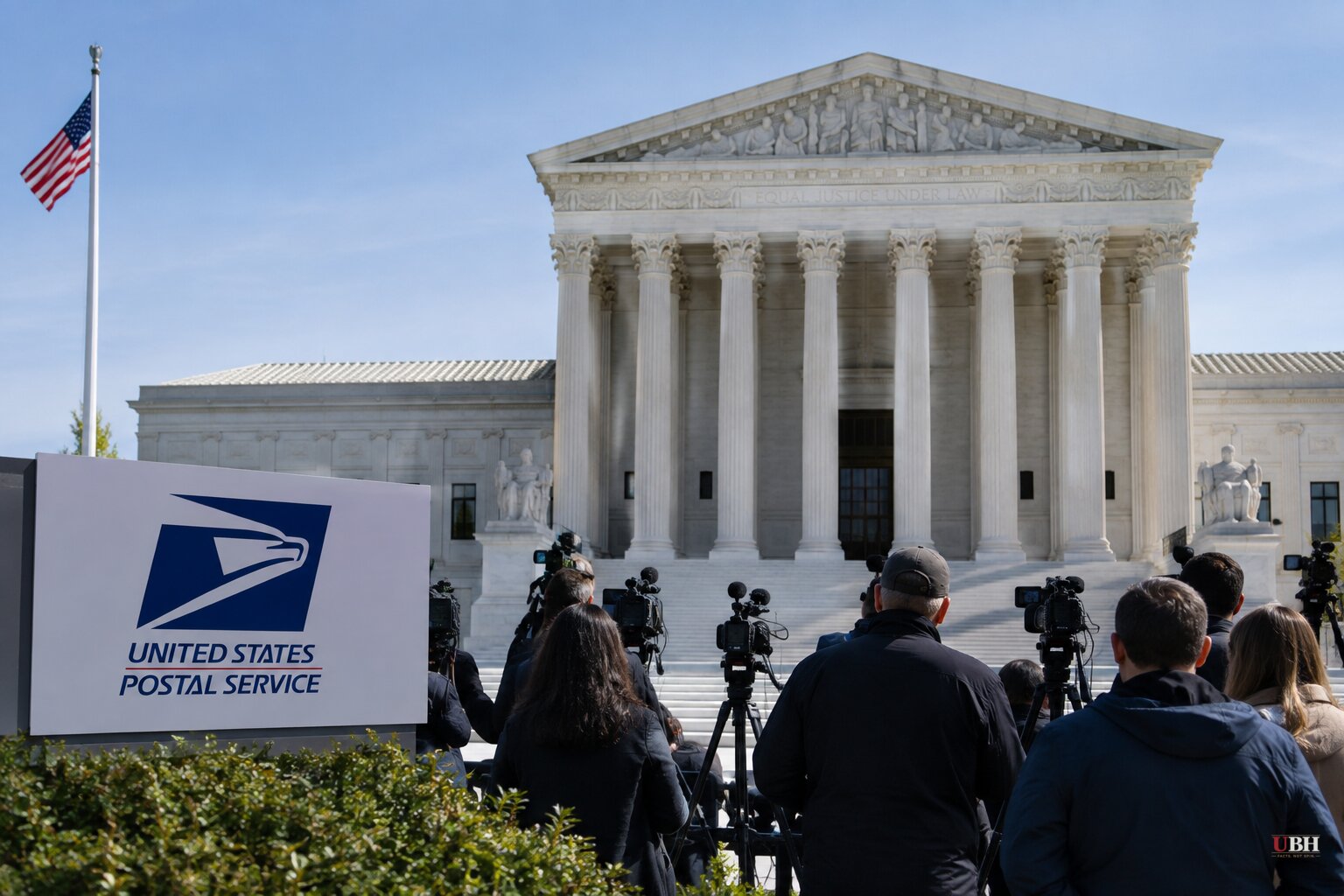
Since Judge Indira Talwani's August 27 injunction pushed the mail-ballot fight toward the Supreme Court, the justices have ruled, and the case is now moving into a new phase involving a whistleblower complaint about the system itself.
The Supreme Court's unsigned 6-3 decision in Trump v. California found that the 23 Democratic-led states suing over President Trump's March executive order lacked standing and filed too early, before USPS had finalized anything. Three liberal justices dissented. "The executive order makes no demand of the states," the court wrote, according to CNN, adding that on whether any actual implementation will hold up legally, "time will tell."
Justice Ketanji Brown Jackson dissented alone in a 23-page opinion, calling the outcome another "shoe to drop in the Kafkaesque nightmare" and warning it "needlessly injects chaos and uncertainty into the upcoming midterm elections," according to the Daily Signal. Senate Minority Leader Chuck Schumer went further, posting that the ruling let Trump "put a dagger into the heart of our democracy" through a "MAGA Supreme Court," the Daily Signal reported.
Two days after the ruling, Talwani, an Obama appointee, lifted her remaining block on the order in a nine-page ruling, saying she was "compelled" to do so given the high court's decision even while citing Jackson's dissent, according to the Daily Wire. That clears USPS, for now, to move ahead with the rule it finalized on August 21: election officials must submit voters' names, addresses and ballot-envelope barcodes through a federal portal before USPS will mail the ballots. Anything that doesn't match gets rejected and sent back.
Separately, the Department of Homeland Security can proceed with building "State Citizenship Lists" of residents it determines are eligible citizen voters, though the order doesn't force any state to use them.
White House spokeswoman Lauren Bis called it "a major win for the security of American elections," telling the Daily Wire the rules are "commonsense measures that protect the security of mail-in ballots and ensure only Americans are electing American leaders."
CNN's coverage, filed close to the ruling, described the USPS plan as still blocked nationwide and noted the administration had separately asked a lower court to clear another hurdle overnight. That framing reflects the moment right after the Supreme Court order, before Talwani's own injunction lift days later actually let the rule move forward. A sequence Daily Wire and Daily Signal captured but CNN's piece predates.
The bigger complication is coming from inside USPS itself. Sen. Richard Blumenthal (D-Conn.) sent Postmaster General David Steiner a letter on August 31 built on an anonymous whistleblower disclosure, filed through the nonprofit Whistleblower Aid, alleging USPS has been building its verification portal since June and rushed it toward a September 1 rollout without adequate testing, according to NPR.
The whistleblower's specific claim: USPS reportedly built the system with a "zero percent failure rate" standard, meaning if even one ballot in a batch of 10,000 fails to match the voter list, or one barcode doesn't scan, the entire batch gets bounced back to the state for reverification, according to the Epoch Times. Whistleblower Aid's disclosure warned that could delay ballots "by the thousands in repeated verification cycles." With mail voting for the midterms set to officially begin this week, according to NPR, the whistleblower and critics argue an untested federal system should not be gatekeeping ballots.
Blumenthal is also asking whether USPS kept developing the portal in violation of Talwani's August 27 order, and wants details on who is building it and what testing is planned. A USPS spokesperson told NPR the agency is "carefully reviewing" the whistleblower's concerns and said it is "finalizing the portal" for election officials who "voluntarily wish to familiarize themselves with the platform." That language stops short of confirming the system has been paused or fully vetted.
What's unresolved: whether USPS's portal can actually handle midterm ballot volume without mass rejections, whether Blumenthal gets a direct answer on the compliance question, and whether the underlying legality of Trump's order—which the Supreme Court explicitly left open—comes back before the justices once Democratic states' fresh lawsuit works its way up.
Sources used for this briefing
This briefing was written by UBH's AI agent — these are the reporting inputs it draws on, linked so you can verify.


