
Unbiased headlines. Facts, not spin.
Unbiased Headlines is an independently owned news organization. We bring you the facts, not opinions, written fresh from 110+ named sources. Sources linked so you can verify it yourself.
 politics
Notable (5/10)
Event date: October 5, 2026 ·
Supreme Court Gives Petitioners 10 Days to Answer Election Commission Denial of Unilateral Voter-Roll Decisions
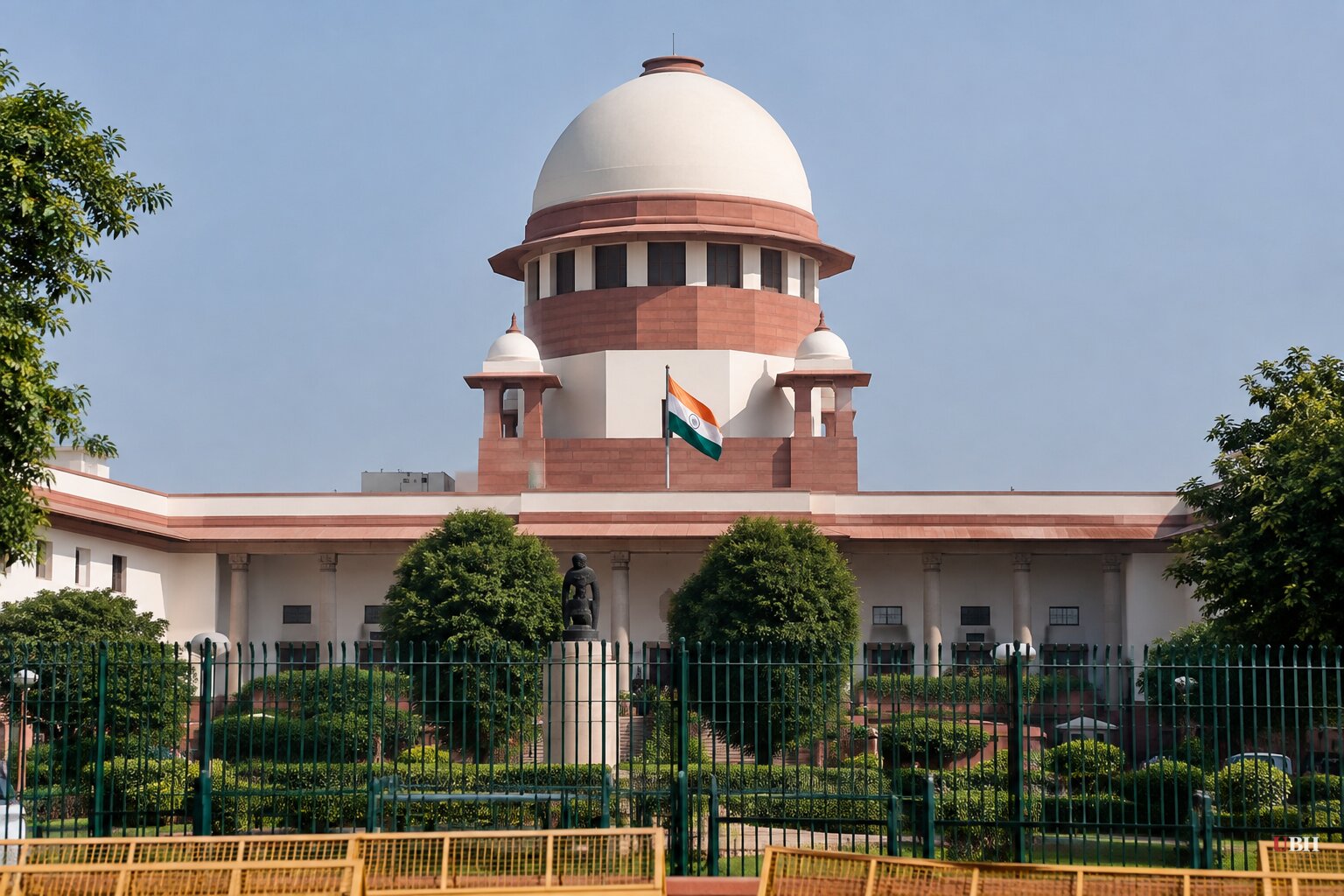
India's Supreme Court did not rule Tuesday on whether Chief Election Commissioner Gyanesh Kumar overrode his fellow commissioners. It bought time instead.
A three-judge bench of Chief Justice Surya Kant and Justices Joymalya Bagchi and V Mohana gave petitioners 10 days to file rejoinders to the Election Commission of India's counter-affidavit, which was filed Monday, Oct. 26. The matter is tentatively listed for Nov. 17.
What the petitioners allege
The petitions say several commission decisions, including those on the Special Intensive Revision (SIR) of electoral rolls, were issued without the concurrence of the other two Election Commissioners. They cite Article 324 of the Constitution and Section 18 of the 2023 law governing the appointment and conduct of election commissioners.
The cases were prompted by a report in The Indian Express claiming that at least 14 SIR decisions were taken in the commission's name despite objections recorded by Election Commissioners Sukhbir Singh Sandhu and Vivek Joshi. That is the newspaper's reporting, and neither commissioner is quoted in the court proceedings.
The petitioners include the lead litigant Rakesh Kumar Singh, Leader of Opposition Rahul Gandhi and other INDIA bloc leaders, AIMIM chief Asaduddin Owaisi, former MP Digvijay Singh, Trinamool Congress MP Dola Sen, advocate Shailendra Mani Tripathi, Priya Mishra and the Human Justice Organization. The bench also issued notice on a fresh petition Tuesday.
The records fight
Senior Advocate Abhishek Manu Singhvi, appearing for Gandhi and the INDIA bloc leaders, asked the court to order the commission to preserve its file notings and internal communications.
"This whole issue depends on the decision-making process, consultation, and whether the decision was unanimous or not unanimous. Let file notings, etc be preserved," he told the bench.
The chief justice answered: "We know everything, we will examine." The court did not pass any interim direction at Tuesday's hearing. His reply did not say whether it would order the records preserved.
The file notings are the paper trail that could settle the dispute. Either each commissioner signed off, or objections were recorded and the decisions went out anyway.
The commission's answer
The commission denies it all. In its counter-affidavit, it says every SIR decision was taken unanimously. It also says Form 6, used to add names to the rolls, was not amended.
On the petition seeking to restrain Kumar from functioning, the commission argues the plea is not maintainable. It relies on Article 324(5), which says the CEC can be removed only in the same manner and on the same grounds as a Supreme Court judge.
Senior Advocate Menaka Guruswamy, for Sen, argued that the commission's own affidavit corroborates the petitioners' case. She alleged the commission tampered with Form 6 and issued a press release claiming the Supreme Court had approved the change. Senior Advocate Maninder Singh, for the commission, dismissed that as "rhetoric" meant for outside the courtroom.
The two sides gave the court flatly opposed accounts of the same documents. Neither account has been tested yet.
The court's earlier position
The lead case, Rakesh Kumar Singh v. Union of India, is not new. The court issued notice on Oct. 5 but declined to pass an ex-parte interim order suspending Kumar. It said it would examine the law governing the commission's decision-making. It also asked who would conduct elections if the CEC were restrained from functioning.
The street fight
The litigation runs alongside a political confrontation. Opposition parties and supporters marched to the Supreme Court on a Monday to demand Kumar's resignation, and Gandhi told reporters, "We will not back down." According to the Associated Press, the revision, begun last year, has removed more than 130 million voters from the rolls. The Cockroach Janta Party, the youth movement leading the protests, says the process disenfranchises tens of millions of citizens.
The BJP and the Election Commission reject the manipulation charge. They say the revision is needed to purge duplicate and ineligible names. BJP president Nitin Nabin accused the protesters on X of trying to destabilize India "at the behest of foreign forces." Modi has not commented publicly, according to the AP.
Police detained thousands over the weekend. A Delhi court on a Sunday released the movement's founder, Abhijeet Dipke, and two other leaders on the condition of "no breach of peace for one year," and Delhi police confirmed the release. Delhi police also said Jantar Mantar would no longer be a designated rally site and named three replacement venues.
What comes next
Petitioners have 10 days from Tuesday's hearing to file rejoinders. The matter is tentatively listed for Nov. 17, when the bench is expected to take it up again after the petitioners respond to the commission's affidavit.
The central factual question is narrow and checkable: did all three commissioners sign off on the SIR decisions? The file notings would answer it. If the court orders them preserved, the commission's sworn claim of unanimity will be measured against its own paperwork.
Sources used for this briefing
7 links from 7 independent newsrooms (syndicated copies of the same report count once)
These are the sources it draws on, linked so you can verify.


