
Unbiased headlines. Facts, not spin.
Every story is an unbiased news briefing written from 110+ sources across the spectrum — sources linked so you can verify it yourself.
 health
Notable (6/10)
September 16, 2026 at 10:21 AM
health
Notable (6/10)
September 16, 2026 at 10:21 AM
Sudan Gold Mine Collapse Kills at Least 60 Miners in West Kordofan
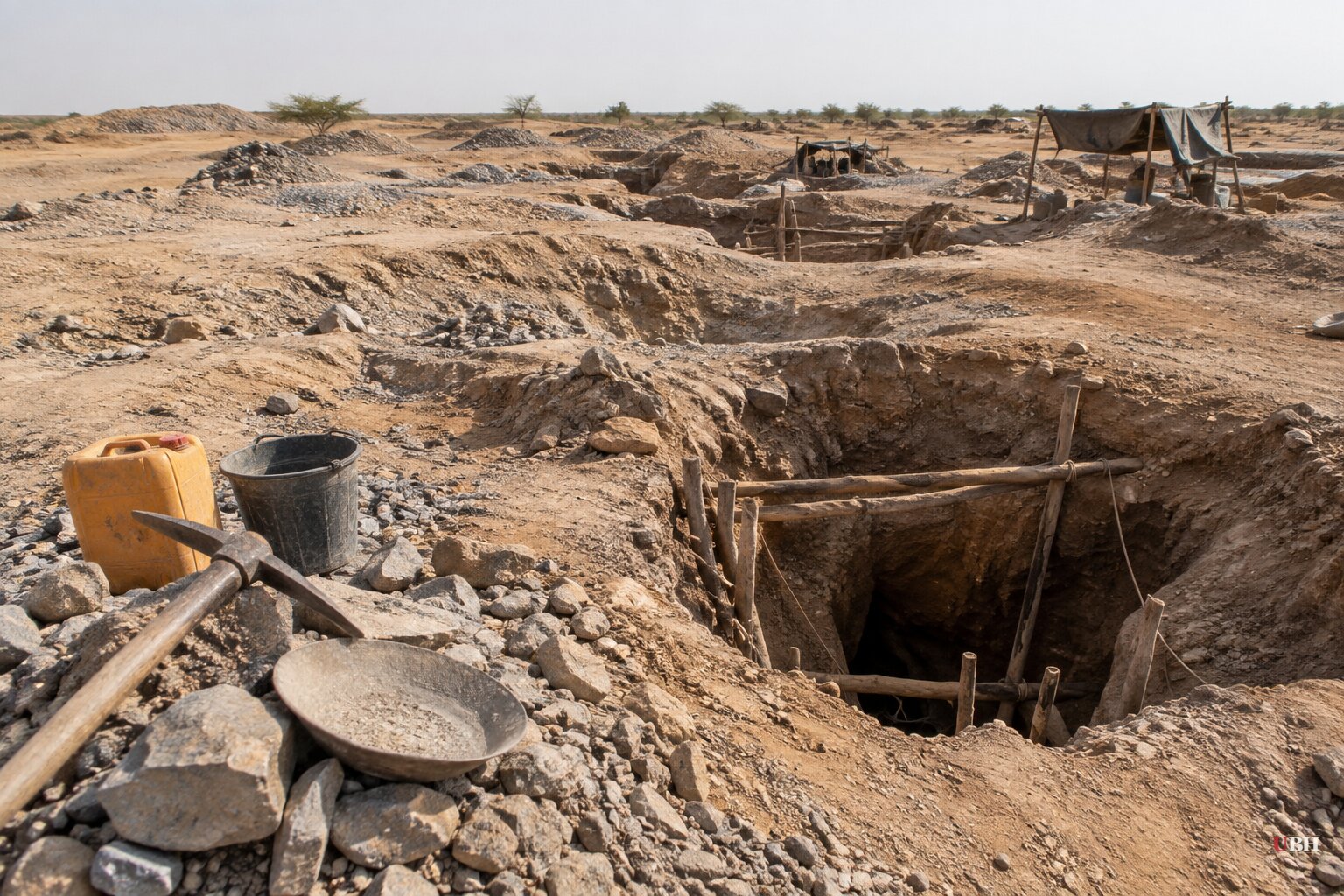
At least 60 small-scale miners are dead after a gold mine collapsed in Sudan's West Kordofan region, according to survivors who spoke to AFP and local sources who spoke to Reuters. Many more people remain missing, buried under rock and soil that rescuers have no proper equipment to clear.
The mine, known as Al-Zaraa, sits near the town of El-Nahud. Survivor Khair al-Sayyed Jabara told AFP that shafts began giving way and that he and fellow miners spent the night after the collapse trying to dig out the dead and any survivors. "We need heavy machinery to clear the rock and soil," Jabara said. "Everyone's working very hard to retrieve the bodies or any survivors, but it's difficult."
Another miner, Al-Amin Suleiman, told AFP the site was a disaster waiting to happen. "The shafts here are all close together, if one collapses, it brings down all the ones next to it," he said. "This is what happened here. So far, 60 bodies have been pulled out, but there are people still trapped underground since yesterday. I don't think they are alive."
Reporting on the timeline differs between wire services. AFP-sourced reporting, carried by Euronews, The Hindu, Deccan Chronicle and ua.news, says the shafts started collapsing on Tuesday, September 15, with 60 bodies recovered by Wednesday morning. Reuters, in reporting carried by WTVB, KFGO and the Jerusalem Post, cites three local sources saying the collapse happened Sunday, September 13, with the death toll only confirmed to Reuters on Wednesday. Neither wire has corrected or reconciled the date with the other.
Reuters' local sources said the high death toll came down to something simple: there were no safety procedures and no rescue equipment at the makeshift wells. That tracks with what miners on the ground told AFP. This isn't an industrial mining operation with engineers and inspectors. It's small-scale, artisanal digging, done with hand tools, in shafts sunk too close together.
Why a warzone has a gold rush
West Kordofan is controlled by the Rapid Support Forces, the paramilitary group that has been fighting Sudan's army since April 2023. Reuters reports gold mining is a key revenue source for the RSF in territory it controls. Sudan is one of Africa's largest gold producers, and the Deccan Chronicle notes nearly all of the gold smuggled or exported out of the country routes through the United Arab Emirates, which has denied widespread reports that it arms the RSF in exchange.
The war has gutted Sudan's economy and thrown huge numbers of people out of work, according to the Deccan Chronicle's reporting, which cites the collapse of formal employment as a driver pushing ordinary Sudanese into dangerous, unregulated gold digging just to survive. Euronews reports the country is now facing the world's largest displacement crisis, with close to 20 million people experiencing crisis-level hunger.
The RSF has also been accused of genocide in the neighboring Darfur region, according to the Deccan Chronicle, though that accusation is separate from the mine collapse itself and involves different allegations against the same paramilitary force. Even where the RSF claims territorial control, its capacity to govern or provide services like a real mine rescue is limited. The Deccan Chronicle reports people in western Sudan remain largely dependent on aid groups and local community networks, not any functioning government, for basic survival.
That dependence is on full display at Al-Zaraa right now. There is no indication any government body, RSF-run or otherwise, has deployed heavy equipment to the site. The rescue effort described by survivors is miners digging for their friends and coworkers with the same picks and shovels they use to dig for gold.
What's unresolved
The exact death toll is still moving. Both Reuters and AFP describe missing miners whose status is unknown, meaning 60 is a floor, not a final count. It's also unclear how many shafts were affected beyond the two that reportedly triggered the initial collapse, or whether any outside aid organization or government entity plans to send equipment capable of safely excavating the site. No official investigation into mine safety standards at Al-Zaraa, or at Sudan's artisanal mining sites more broadly, has been announced.
Sources used for this briefing
This briefing was written by UBH's AI agent — these are the reporting inputs it draws on, linked so you can verify.


