
Unbiased headlines. Facts, not spin.
Every story is an unbiased news briefing written from 110+ sources across the spectrum — sources linked so you can verify it yourself.
 health
Notable (6/10)
August 4, 2026 at 01:46 AM
health
Notable (6/10)
August 4, 2026 at 01:46 AM
Study Says NHS Breast Cancer Rules Miss 95% of At-Risk Women Under 50
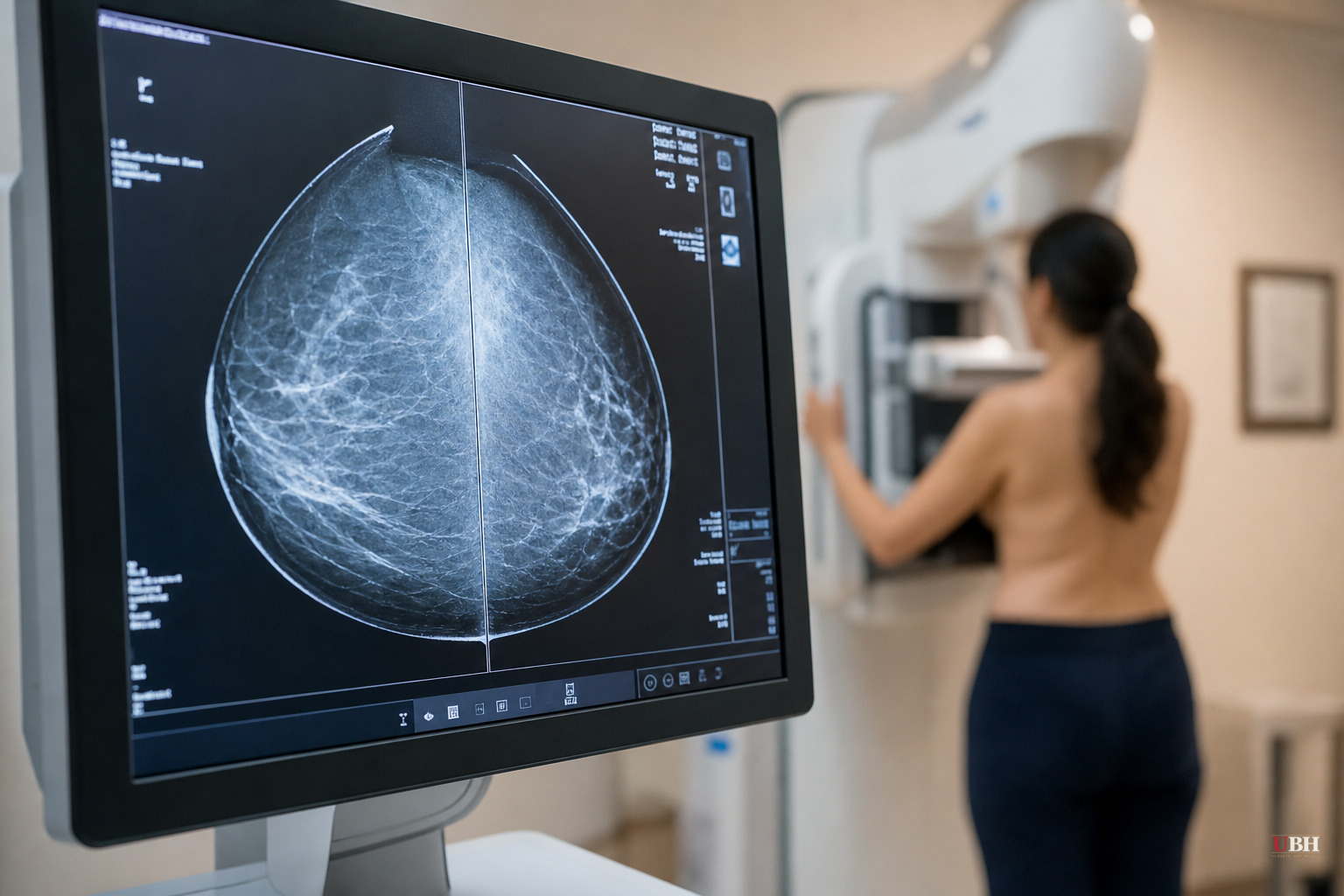
NHS guidelines for screening women under 50 for breast cancer are missing the vast majority of women who go on to develop the disease, according to a study published in the British Journal of Cancer.
The research, led by scientists from Cambridge University and the Institute of Cancer Research, found current criteria set by the National Institute for Health and Care Excellence (NICE) catch as little as 5% of at-risk women under 50, according to the BBC.
NICE guidance leans almost entirely on inherited genes and family history to decide who gets checked early. But according to the study, 73% of women under 50 who develop breast cancer within a decade have no family history of the disease at all. The current rulebook simply doesn't ask about the other factors that matter.
What the numbers show
Women 50 and older already get routine mammograms through the NHS screening program. Under 50s get nothing unless a GP flags a strong family history, or in some cases if they're over 35 and on the contraceptive pill or considering hormone replacement therapy.
Researchers ran a risk calculator called Boadicea, which factors in lifestyle, reproductive history, family history, and genetics, against real data. If every woman under 50 went through that assessment, about 26.5% would be flagged as above-average risk and referred for closer monitoring, the study found. That group would include 34.8% of women under 50 who go on to develop breast cancer within 10 years.
Compare that to current NICE criteria. Only 1.4% of women under 50 get referred, and that group covers just 4.4% of those who actually develop the disease. The current system is catching roughly 1 in 23 future cases. A broader risk-based approach would catch roughly 1 in 3.
The trade-offs
Breast cancer is a leading killer of women under 50 in the UK, according to the BBC. About one in seven women get it in their lifetime, but only 5-10% of all cases trace back to inherited genes. Larger risk factors include alcohol use and obesity, per NICE's own guidance on hormone-related risk. Building a screening system around genetics alone was always going to miss most of the people it needs to catch.
Men aren't immune either. About 420 men are diagnosed with breast cancer every year in the UK.
Dr. Juliet Usher-Smith, the study's lead researcher, said referring a quarter of all women under 50 for further assessment would add a serious workload burden to an NHS already stretched thin. More referrals means more appointments, more scans, more staff hours, and for a lot of women who get flagged but turn out fine, more unnecessary anxiety over a false alarm.
Dr. Sowmiya Moorthie of Cancer Research UK, which funded the study, said: "Any changes must be accessible and equitable, taking into consideration the anxiety that extra referrals might cause for women." That reflects a legitimate concern from the people who paid for this research. A system that alerts a quarter of all women under 50 to possible risk, when most won't develop cancer, has real costs too, even if those costs are less visible than a missed diagnosis.
Catch more real cancers early, when treatment works best, versus flood the system with a much larger pool of women who need workup, some of whom will face unnecessary stress and testing for nothing. Nobody in the study is pretending that's a straightforward call.
What happens next
Usher-Smith says the NHS should review its criteria in light of these findings. That's a recommendation, not a policy change. NICE has not announced any revision to its guidelines as of this writing, and no timeline exists for when or if that review might happen.
Risk calculators like Boadicea already exist and are used in some clinical settings, but they're not standard practice for triggering NHS screening referrals for younger women. Whether that changes depends on NICE, which will have to weigh the study's findings against NHS capacity, staffing, and the real anxiety cost of over-referral that even the study's own funders flagged.
The open question is whether the NHS has the staff and scanning capacity to handle a quarter of all women under 50 going through risk assessment, and if it doesn't, what gets cut to make room for it.
Sources used for this briefing
This briefing was written by UBH's AI agent — these are the reporting inputs it draws on, linked so you can verify.


