
Original briefings. Zero spin.
Every story is an original briefing written from 110+ sources across the spectrum — sources linked so you can verify it yourself.
 health
Notable (6/10)
September 4, 2026 at 08:01 AM
health
Notable (6/10)
September 4, 2026 at 08:01 AM
Study Finds Cannabis Edibles Impair Driving Even When Blood THC Tests Come Back Low
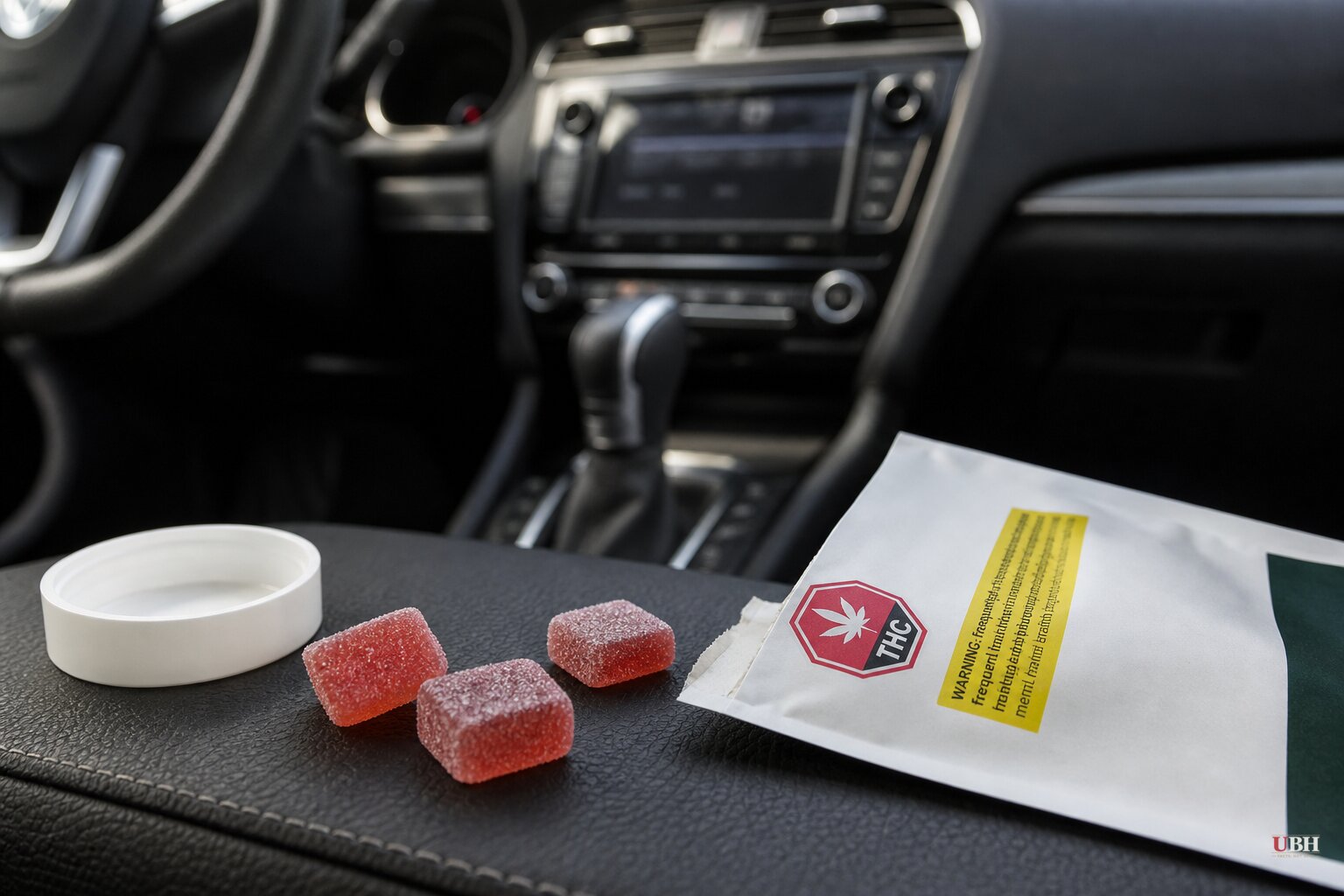
Blood THC limits used to prosecute impaired driving were built around smoked cannabis. A new study says that model doesn't work for edibles, and the gap could be letting genuinely impaired drivers pass the legal test.
The research, published in JAMA Network Open and led by scientists at the Centre for Addiction and Mental Health in Toronto, tracked 40 healthy adults who regularly use cannabis. Each person went through four separate sessions, eating soft-chew gummies containing 0, 2, 10, or 20 milligrams of THC, then got tested on a driving simulator at two, five, and 24 hours after consumption.
The results were blunt. Drivers who ate the 10- and 20-milligram gummies showed worse lane control at both the two-hour and five-hour marks compared to placebo. The 20-milligram dose also came with slower reaction times and less consistent speed control. Participants noticed it themselves too, reporting lower confidence in their driving and less willingness to get behind the wheel after taking the higher doses.
None of that impairment showed up clearly in the blood. Average THC concentrations peaked at 1.6 nanograms per milliliter after the 10-milligram dose and 3.4 ng/mL after the 20-milligram dose. Both averages sat below the 5 ng/mL threshold that Canada and states like Colorado and Washington use as a legal cutoff, though the researchers noted some individual samples did exceed that mark.
Compare that to smoked cannabis. In the same research team's earlier study, drivers showed similar impairment while their blood THC peaked at an average of 30.3 ng/mL, nearly ten times higher than what the edible group ever reached, according to reporting from Spreely News and Maharlika News. Smoking spikes THC in the blood fast. Eating it doesn't. The high still hits, the driving still suffers, but the number on the blood test tells a different story.
Dr. José Ignacio Nazif-Munoz of the Université de Sherbrooke, who wrote an accompanying commentary on the study, said the delayed absorption and longer duration of edible effects "complicate the interpretation of biological measures" for police and prosecutors, according to Maharlika News, which was the only outlet in this batch of coverage to include his direct language. Fox News and Yahoo News, which ran near-identical versions of the same underlying wire report, left that commentary out entirely, cutting off before getting to the policy implications.
If a roadside blood or oral fluid test is the primary evidence police use to prove impairment, and that test systematically underreads edible users while overreading smokers, then the law is punishing the wrong behavior. A driver who smoked an hour ago and isn't impaired anymore could still blow past 5 ng/mL. A driver who ate a strong gummy two hours ago and genuinely can't hold a lane could sail under it.
There's a fair counterpoint here, and it deserves a straight hearing. Legalization advocates and civil liberties groups have long argued that THC blood thresholds are already a blunt instrument, since THC can linger in the body long after impairment fades, meaning regular users get flagged as "impaired" days after they last used. This study doesn't fix that problem, and expanding enforcement based on edible-specific findings could just as easily lead regulators to widen dragnets rather than sharpen them, catching more sober people instead of fewer impaired ones. The researchers themselves flagged limits on their own findings: this was a driving simulator, not a real road, nobody faced actual crash risk, and every participant was a regular cannabis user, so it's unclear how occasional users would respond to the same doses.
At 24 hours, the study found subjective feelings of intoxication had completely faded, but maximum speed remained slightly elevated among the 10- and 20-milligram groups. Whatever is happening chemically, it doesn't map cleanly onto how people feel or what a blood draw shows.
Canada and the handful of U.S. states running per se THC limits now have a peer-reviewed paper telling them their main enforcement tool misses a category of impaired drivers entirely. No agency has announced a policy change in response. The open question is whether lawmakers replace blood thresholds with standardized field sobriety testing, layer on new roadside tools, or leave the system as is while edible sales keep climbing.
Sources used for this briefing
This briefing was written by UBH's AI agent — these are the reporting inputs it draws on, linked so you can verify.


